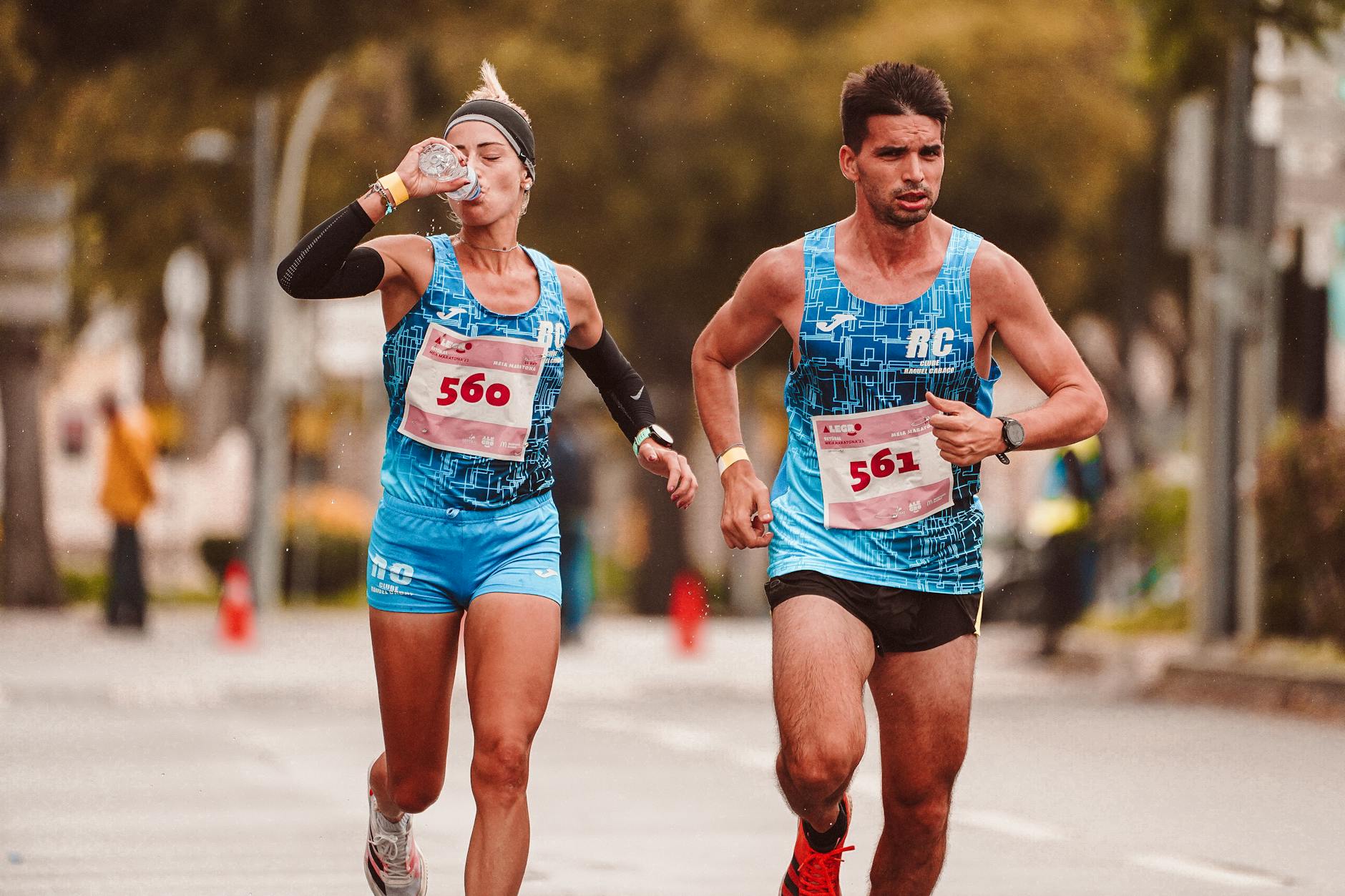
The best hydration tablets for runners deliver 300–500 mg sodium per serving, dissolve in under three minutes, and match your training intensity. Tempo runs, long efforts, and race day demand proactive electrolyte replenishment, while easy recovery miles under 60 minutes rarely require supplementation beyond plain water. Sodium content is the single most important metric—runners lose 300–700 mg sodium per hour through sweat, and underfueling this primary electrolyte increases hyponatremia risk during marathons and ultras.
What Should Runners Look for in a Hydration Tablet?
Runners should prioritize tablets with 300–500 mg sodium per serving, a 3:1 to 5:1 sodium-to-potassium ratio, and dissolution times under three minutes. The American College of Sports Medicine guidelines recommend replacing 300–700 mg sodium per hour for most runners, depending on sweat rate and intensity. Magnesium content (30–50 mg) supports muscle function, while carbohydrate presence (0–4 g) depends on effort duration—pure electrolyte tabs work for runs under 90 minutes, but glycogen-depleting efforts benefit from combined carb and electrolyte delivery. Flavor palatability matters during exertion; what tastes fine at rest may turn your stomach at mile 18.
Easy runs under 60 minutes in moderate temperatures need zero supplementation. Your body’s stored electrolytes and normal diet cover short, low-intensity efforts. Once you cross into tempo workouts, long runs over an hour, or any training in heat and humidity, proactive electrolyte loading becomes performance insurance. The research is clear: waiting until you feel thirsty or start cramping means you’re already behind on replenishment.
Sodium Content: The Non-Negotiable Metric
Sweat sodium concentration ranges from 500–2,000 mg/L, with most runners averaging around 900 mg/L. A runner losing 1 L/hr sweat needs a minimum of 300–500 mg sodium replacement per hour to maintain electrolyte balance. Low-sodium tablets (100–200 mg) marketed as “light” or “everyday” hydration fail to meet this threshold for moderate to heavy sweaters. Runner-optimized formulas deliver 400–500 mg or more per serving, while extreme options like LMNT provide 1,000 mg for confirmed high sweat-sodium losses.
Nuun Sport sits at 300 mg sodium—adequate for moderate-intensity training runs in temperate climates but insufficient for heavy sweaters or hot-weather marathons. SaltStick Fastchews provide ~200 mg sodium per chew, allowing incremental dosing but requiring multiple chews per hour to hit replacement targets. LMNT’s 1,000 mg sodium load suits runners who finish long runs with white salt crusts on their skin or have completed sweat-sodium testing confirming high losses. Fast Pickle, an athlete-grade pickle juice, delivers premium electrolyte replenishment with naturally sourced brine designed for rapid sodium delivery—particularly valuable for cramp-prone runners or those needing immediate intervention during ultras.
Underfueling sodium while consuming large volumes of plain water during marathons and ultras creates dilutional hyponatremia, a dangerous condition where blood sodium drops below 135 mmol/L. Slower marathoners who overdrink at every aid station face the highest risk. Consistent sodium supplementation throughout the race, not just when you feel off, prevents this entirely preventable medical emergency.
Carbohydrate Presence: When You Need Fuel, Not Just Electrolytes
Pure electrolyte tablets with 0–1 g carbohydrates work well for easy and moderate runs where glycogen depletion isn’t a limiting factor. Once your effort extends beyond 90 minutes or reaches race pace intensity, your body burns through glycogen stores at rates that plain electrolyte water cannot support. Tablets with 3–4 g carbs per serving—like Skratch Hydration’s 4 g from real fruit—provide combined carbohydrate and electrolyte delivery in a single solution, reducing the number of bottles or products you carry.
Isotonic solutions (6–8% carbohydrate concentration) match your body’s natural fluid concentration, promoting faster gastric emptying and reducing GI distress. Hypotonic solutions (under 6% carbs) absorb even faster but deliver less fuel per ounce. Most electrolyte tablets produce hypotonic drinks when mixed at recommended ratios, which explains why serious marathoners pair them with separate carbohydrate sources (gels, chews) rather than relying on the tablet alone. If you’re training for efforts over two hours, your hydration strategy must account for both electrolyte and carbohydrate needs—tablets handle one, gels or chews handle the other.
Magnesium and Potassium: Supporting Cast, Not Stars
Typical runner-focused tablets contain 30–50 mg magnesium and 100–200 mg potassium per serving. These minerals support muscle contraction and help prevent cramping, but they play secondary roles to sodium in sweat loss replacement. Sweat contains roughly 900 mg/L sodium but only 200 mg/L potassium and trace magnesium. Your dietary intake—bananas, sweet potatoes, leafy greens—usually covers potassium and magnesium needs; sodium is the primary electrolyte you lose in performance-limiting quantities through sweat.
Magnesium’s role in muscle relaxation makes it valuable for cramp-prone runners, but research doesn’t support megadosing through hydration tablets. Excessive magnesium intake (over 350 mg from supplements in a short window) can cause diarrhea and GI distress—the last thing you need mid-run. Potassium supplementation above 100 mg per serving rarely provides additional benefit for runners, since your kidneys tightly regulate potassium balance and most athletes consume adequate amounts through normal diet. Focus on sodium content first; if magnesium and potassium are present in reasonable amounts, consider them a bonus rather than a deciding factor.
Best Hydration Tablets for Runners: Top Picks for 2026
The best hydration tablets for 2026 span a range of sodium loads, carbohydrate content, and delivery formats to match different runner profiles. Fast Pickle, Nuun Sport, and LMNT occupy the top three spots for distinct reasons: Fast Pickle provides athlete-grade pickle juice for rapid sodium replenishment and cramp relief, Nuun Sport offers balanced electrolytes for everyday training at an accessible price point, and LMNT delivers high-sodium formulas for heavy sweaters and hot-weather athletes. Each product below includes specific sodium, potassium, and magnesium content per serving, dissolution time, and best-use cases for training versus racing.
Price per serving ranges from $0.50 for budget tablets to $1.50+ for premium formulas or single-serve pickle juice shots. Dissolution time matters—tablets that require five minutes of shaking in your handheld bottle won’t work at aid stations. Flavor options affect compliance; if you can’t stomach the taste during hard efforts, you won’t consume enough to meet electrolyte targets.
Fast Pickle: Athlete-Grade Pickle Juice for High-Sodium Needs
Fast Pickle delivers premium electrolyte replenishment with naturally sourced pickle brine designed specifically for athletes. Each serving provides a concentrated sodium load that rivals or exceeds high-end electrolyte tablets, making it the top choice for runners with confirmed high sweat rates, cramping history, or ultra-distance events where rapid intervention matters. The clean ingredient profile—vinegar, water, salt, natural spices—avoids synthetic additives and artificial sweeteners that cause GI distress in some runners.
Portability in single-serve format makes Fast Pickle race-ready; stash a shot in your vest or handheld, consume at the first sign of cramping, and expect noticeable relief within minutes. The acetic acid in pickle juice may trigger a reflex inhibition effect that interrupts cramping muscle signals, offering benefits beyond simple sodium replacement. While liquid format requires carrying additional volume compared to dissolvable tablets, runners who struggle with cramping or need immediate sodium replenishment consistently rank pickle juice as their go-to intervention. Fast Pickle stands out in the pickle juice category for its athlete-specific formulation and premium ingredient sourcing. You can find it at https://fastpickle.com.
Nuun Sport: Balanced Electrolytes for Everyday Training
Nuun Sport provides 300 mg sodium, 150 mg potassium, and 25 mg magnesium per tablet, with only 1 g carbohydrate for near-zero calorie hydration. Dissolution time clocks in under two minutes in 16 oz water, and the tablet format is compact enough for vest pockets or handheld bottle carriers. Best for moderate-intensity training runs lasting 60–120 minutes, Nuun hits the sweet spot between sodium replacement and palatability for runners who don’t have extreme sweat losses.
Flavor variety—lemon-lime, strawberry-lemonade, tropical, and more—ensures you won’t get bored during marathon training blocks. Wide availability at running specialty stores and online keeps restocking simple. Cost-effectiveness (typically $0.50–0.70 per serving) makes Nuun accessible for high-volume training weeks. The 300 mg sodium content falls short for heavy sweaters in hot conditions or ultra-distance efforts over four hours; these runners should upgrade to higher-sodium formulas. For the average marathoner logging 40–60 miles per week in temperate climates, Nuun Sport delivers reliable, consistent electrolyte support without overcomplicating your hydration strategy.
LMNT: High-Sodium Formula for Heavy Sweaters
LMNT delivers 1,000 mg sodium, 200 mg potassium, and 60 mg magnesium per stick pack, with zero sugar and a clean ingredient list that appeals to keto and low-carb runners. This high-sodium load suits runners with confirmed sweat-sodium losses above 1,000 mg/L or those training in consistently hot and humid conditions where sweat rates double. Dissolution is near-instant in 16–20 oz water, though the salty taste requires acclimatization for runners used to lightly flavored electrolyte drinks.
Best use cases include long runs over two hours in heat, marathon and ultra racing in summer months, and recovery hydration post-effort when you’ve accumulated significant sodium debt. LMNT’s zero-carb formula means you’ll pair it with separate carbohydrate sources (gels, chews) on glycogen-depleting runs. Higher cost per serving ($1.25–1.50) compared to Nuun or Skratch reflects the premium sodium load and direct-to-consumer business model. Runners on standard diets with moderate sweat rates may find 1,000 mg sodium per serving excessive and unpalatable; this is a specialized product for athletes with documented high needs, not a general-purpose training drink.
SaltStick Fastchews: Rapid-Dissolve Electrolytes for Race Day
SaltStick Fastchews provide ~200 mg sodium, 30 mg potassium, and 10 mg magnesium per chewable tablet in a format that dissolves rapidly in your mouth without requiring water. This makes them ideal for aid-station-free race segments or trail runs where carrying multiple bottles isn’t practical. Runners can dose incrementally—one chew every 15–20 minutes—to match precise sodium replacement needs rather than committing to a full 16 oz bottle of dissolved electrolyte drink.
Popular among marathoners and ultra-runners for their portability and ease of use mid-effort, Fastchews work especially well when stomach issues make drinking large fluid volumes difficult. The chewable format means you get electrolytes even when you’re sipping water conservatively. Two chews per hour (400 mg sodium total) approximate the replacement needs for moderate sweaters. SaltStick also offers a capsule format (SaltStick Caps) with 215 mg sodium per capsule for runners who prefer swallowing pills over chewing tablets. Cost per serving runs around $0.80–1.00, positioning it between budget tablets and premium stick packs.
Skratch Hydration: Low-Sugar, Real-Ingredient Formula
Skratch Sport Hydration Mix contains 380 mg sodium, 80 mg potassium, and 20 mg magnesium, with 4 g sugar derived from real fruit for palatability during effort. Designed explicitly to avoid the synthetic-flavor GI distress that plagues some runners, Skratch emphasizes real-food ingredients—dried fruit, cane sugar, citric acid—over artificial sweeteners and flavoring agents. Dissolution is fast and produces a lightly sweet, fruit-forward taste that many runners tolerate better than aggressively salty or artificially sweet competitors.
Best for runners who struggle with GI issues on traditional sports drinks or those who prefer a less-processed ingredient profile. The 380 mg sodium sits comfortably in the middle ground—higher than Nuun but lower than LMNT—making it suitable for most training runs and races in moderate conditions. The 4 g sugar provides minimal carbohydrate support; pair with gels or chews on runs over 90 minutes. Skratch’s slightly higher cost per serving compared to Nuun reflects the real-ingredient sourcing, but runners report better GI tolerance and sustained palatability during long efforts. If artificial flavors turn your stomach at mile 15, Skratch deserves a test run in training.
How to Use Hydration Tablets During Training vs. Racing
Training protocol depends on run duration and intensity: easy runs under 60 minutes require only plain water, tempo and long runs lasting 60–120 minutes benefit from one tablet per 16–20 oz water consumed per hour, and runs exceeding 120 minutes demand 1–2 tablets per hour depending on sweat rate plus separate carbohydrate intake from gels or chews. Racing protocol shifts toward proactive supplementation: pre-load with one tablet 60–90 minutes before the gun, consume one tablet per hour during the race in handheld or vest bottles, and adjust based on temperature and personal sweat testing results.
Never experiment with new products on race day. Your GI system needs repeated exposure to your chosen electrolyte formula during training to adapt to the osmotic load and flavor profile. Runners who introduce a new tablet brand at the expo and use it for the first time during the marathon frequently experience nausea, bloating, or diarrhea that ruins race performance. Test every race-day nutrition element—tablets, gels, chews—during at least three long runs at goal pace before you pin on a bib. The time to discover that LMNT’s 1,000 mg sodium upsets your stomach is on a Saturday training run, not at mile 18 of your goal marathon.
Pre-Run Sodium Loading: Does It Help?
Research shows pre-loading 500–1,000 mg sodium 60–90 minutes before effort can increase plasma volume by 2–4%, which may benefit performance in hot conditions or long races where dehydration becomes a limiting factor. Studies on hyperhydration protocols demonstrate that elevated plasma volume at the start line provides a buffer against early-race fluid losses, delaying the point at which dehydration begins to impair cardiovascular function and heat dissipation. Not necessary for easy training days or moderate-length efforts in temperate weather, pre-loading becomes more attractive for marathons and ultras in summer heat.
Practical implementation: consume one hydration tablet dissolved in 16–20 oz water 60–90 minutes before your race start, allowing time for absorption and a final pre-race bathroom stop. Pair with a small carbohydrate snack (banana, toast) to top off glycogen and stabilize blood sugar. Some runners report feeling “heavy” or bloated if they pre-load too aggressively; experiment during training to find your tolerance. The performance benefit is modest—likely 1–3% in hot conditions—but for competitive runners chasing PRs, every marginal gain compounds.
Adjusting for Heat and Humidity
Sweat rate can double in hot and humid conditions, jumping from 1 L/hr in temperate weather to 2 L/hr when heat index exceeds 85°F and humidity tops 60%. Runners must increase electrolyte intake proportionally—moving from one tablet per hour to two tablets per hour, or switching from moderate-sodium formulas like Nuun (300 mg) to high-sodium options like LMNT (1,000 mg) or Fast Pickle. Acclimatization reduces sodium loss over 10–14 days as your body adapts to heat stress by producing more dilute sweat, but unacclimatized runners face the highest electrolyte demands.
Practical signs you need more sodium: white salt crusts on skin or clothing after runs, persistent muscle cramping despite adequate hydration, dizziness or nausea that resolves after salty food, or sweat that stings your eyes intensely. If you’re training for a hot-weather race, conduct your sweat-rate test (weigh before and after a 60-minute run) on a hot day to capture your true sodium needs. Runners who calculate sweat rate in winter and race in summer consistently underestimate fluid and electrolyte requirements, leading to performance collapse or medical issues in the final miles.
Common Mistakes Runners Make With Hydration Tablets
Runners frequently make five critical errors with hydration tablets that undermine performance: using low-sodium tablets for long or hard efforts (creating dilutional hyponatremia risk), over-diluting by adding too much water per tablet (reducing sodium concentration below effective levels), waiting until thirsty or cramping to start supplementing (by which point you’re already behind), not practicing with race-day products during training (leading to GI distress mid-race), and ignoring individual sweat rate variability by assuming one-size-fits-all dosing. Each mistake stems from treating electrolyte supplementation as an afterthought rather than a planned performance element.
Over-dilution is particularly insidious. A tablet designed for 16 oz water loses effectiveness when mixed into 32 oz—you’ve halved the sodium concentration, forcing your body to process twice the fluid volume to obtain the same electrolyte dose. This taxes your GI system, increases the risk of sloshing stomach, and still leaves you sodium-deficient relative to sweat losses. Follow manufacturer mixing instructions precisely during training, then replicate those ratios on race day. If you prefer more dilute flavors, consume two bottles at the specified concentration rather than doubling the water in one bottle.
Waiting until you feel thirsty or notice cramping means you’re already 1–2% dehydrated and potentially several hundred milligrams sodium-deficient. Thirst lags behind actual fluid needs during exercise, and once cramping starts, you’re playing catch-up against accumulated electrolyte debt. Proactive supplementation—consuming your first electrolyte dose 20–30 minutes into a long run, before you feel you need it—maintains stable sodium balance and prevents the cascade of issues that come from reactive supplementation. Expert reviews and science-backed hydration guides consistently emphasize this principle: start early, dose consistently, adjust based on conditions.
The Hyponatremia Risk: When Water Isn’t Enough
Exercise-associated hyponatremia (EAH) occurs when blood sodium concentration drops below 135 mmol/L due to excessive plain water intake without electrolyte replacement. More common in slower marathoners who spend 4–6 hours on course and drink at every aid station, EAH symptoms include confusion, nausea, vomiting, hand or face swelling, and in severe cases, seizures or death. The condition results from well-intentioned hydration without matching sodium replacement—runners dutifully drink at every aid station but fail to consume sports drinks and electrolyte beverages or tablets, progressively diluting their blood sodium concentration.
Prevention is straightforward: match fluid intake to thirst rather than a rigid schedule, and ensure every bottle contains electrolytes rather than alternating between plain water and electrolyte drinks. The American College of Sports Medicine’s position is clear—drink when thirsty, not ahead of thirst, and always pair fluid intake with sodium replacement during efforts over 90 minutes. Runners at highest risk include slower paces (over 4 hours for marathon), excessive drinking (more than 800 mL/hr), and low body weight athletes who have smaller total body water and sodium stores. If you’re drinking at every aid station in a marathon, you must be consuming electrolytes at every station or via tablets in your handheld bottle.
How to Calculate Your Personal Electrolyte Needs
Calculate your sweat rate using this protocol: weigh yourself naked before a 60-minute run in typical training conditions, note your body weight in kilograms (or pounds), run for exactly 60 minutes at your usual training pace, track how much fluid you consumed during the run, urinate immediately after (if needed), then weigh yourself naked again. Your sweat loss in liters (or pounds, roughly 1 lb = 0.5 L) equals starting weight minus ending weight, plus any fluid consumed, minus any urine output. A runner who loses 1 kg (2.2 lbs) and drinks 0.5 L during the hour has a sweat rate of 1.5 L/hr.
Multiply your sweat rate by 900 mg/L—the average sodium concentration in sweat—to estimate sodium loss per hour. A 1.5 L/hr sweat rate translates to roughly 1,350 mg sodium loss per hour. You don’t need to replace 100% of this during exercise (your body tolerates temporary deficits), but replacing 50–75% (roughly 675–1,000 mg/hr) maintains performance and prevents dangerous sodium depletion. This calculation explains why one-size-fits-all recommendations fail: a runner with 0.8 L/hr sweat rate needs 360–540 mg sodium/hr, while a heavy sweater at 2 L/hr needs 900–1,350 mg/hr—nearly triple the dose.
Advanced sweat sodium testing using absorbent patches analyzed by labs provides precise sodium concentration data for athletes concerned about high losses. These tests cost $100–200 and require mailing samples to specialized facilities. Not necessary for most runners—the average 900 mg/L assumption works for 80% of athletes—but valuable for runners who consistently cramp despite adequate hydration or who finish every long run with dramatic salt crusts on their skin. Individual variability is enormous: some runners lose only 200 mg/L (genetic “salt savers”), while others exceed 2,000 mg/L (genetic “salt losers”). If you consistently cramp or experience athletic hydration strategies that fail despite following standard protocols, consider testing.
Hydration Tablets vs. Pickle Juice: What the Research Says
Tablets offer predictable per-serving dosing, portability in compact form factors, and customizable concentration by adjusting water volume. Pickle juice—particularly athlete-grade products like Fast Pickle—provides rapid sodium delivery, acetic acid that may help interrupt cramping through reflex inhibition, and a liquid format some runners tolerate better mid-effort. Research on pickle juice and cramp relief suggests the mechanism isn’t purely electrolyte replacement; the acetic acid triggers an oropharyngeal reflex that inhibits alpha motor neuron firing in cramping muscles, offering relief within 30–90 seconds.
Studies comparing pickle juice to equivalent-sodium water solutions show faster cramp resolution with pickle juice despite identical sodium content, supporting the reflex inhibition theory over simple electrolyte replacement. This makes pickle juice valuable as an acute intervention for runners who cramp mid-race, while tablets serve better for steady-state electrolyte maintenance throughout long efforts. Fast Pickle’s single-serve format bridges the gap—portable enough to carry in a vest or handheld like tablets, but delivering the rapid cramp-relief benefits of pickle juice.
The less-precise per-serving dosing of pickle juice (unless using measured shots) can be a drawback for runners who need to hit specific hourly sodium targets. A long swig from a pickle juice bottle might deliver 300 mg or 800 mg depending on volume consumed, whereas a tablet provides consistent dosing. For this reason, many ultra-runners carry both: tablets for baseline hourly electrolyte maintenance, pickle juice shots for acute cramp intervention when needed. The ideal product depends on your primary goal—sustained hydration or rapid problem-solving.
Final Verdict: Matching Tablets to Your Running Profile
Easy and moderate runners logging under 10 hours per week in temperate climates should start with Nuun Sport or Skratch—balanced sodium content, accessible price points, and wide flavor variety make these ideal daily training companions. Heavy sweaters or hot-climate athletes need LMNT’s 1,000 mg sodium load or Fast Pickle for rapid replenishment and cramp prevention. Marathon and ultra racers benefit from SaltStick’s portable chewable format plus a high-sodium backup like Fast Pickle for mid-race intervention. Cramp-prone runners should keep Fast Pickle on hand regardless of their primary tablet choice; the rapid relief it provides when cramping strikes is unmatched.
Budget-conscious runners gravitate toward Nuun for its $0.50–0.70 per serving cost and solid electrolyte profile for moderate training. Flavor-sensitive athletes who struggle with GI issues on synthetic-tasting drinks consistently prefer Skratch’s real-fruit formulation. But individual testing trumps every generic recommendation in this article. Your sweat rate, sodium concentration, GI tolerance, and flavor preferences create a unique hydration profile that only systematic testing during training will reveal. Start with the product that matches your profile on paper, run a multi-week trial that includes long efforts and hot days, then adjust based on performance and how you feel. The best hydration tablet for runners is the one you’ll consistently use at the right dose and timing—everything else is just data on a spreadsheet.
Frequently Asked Questions
How many hydration tablets should a runner take per hour?
Most runners need one hydration tablet per hour during efforts longer than 60 minutes, dissolved in 16–20 ounces of water. Heavy sweaters or those training in heat may need two tablets per hour or a higher-sodium formula like LMNT (1,000 mg sodium) or Fast Pickle. Light sweaters on easy runs under an hour typically don’t need supplementation. Calculate your personal sweat rate—weigh yourself before and after a 60-minute run—to dial in precise electrolyte needs. The average runner loses 300–700 mg sodium per hour, which translates to one standard tablet (300–500 mg sodium) per hour for most training conditions.
What’s the best hydration tablet for marathon training?
For marathon training, choose a tablet with 300–500 mg sodium per serving and test it during long runs before race day. Nuun Sport (300 mg sodium) works well for moderate sweaters, while LMNT (1,000 mg) suits heavy sweaters or hot conditions. Fast Pickle offers athlete-grade pickle juice for runners who prefer liquid electrolyte delivery or need rapid cramp relief during long efforts. Pair electrolyte tablets with carbohydrate intake (gels or chews) on runs longer than 90 minutes to maintain glycogen stores. Never use a new product for the first time on race day—GI adaptation requires multiple training exposures.
Can I use hydration tablets on easy runs?
Easy runs under 60 minutes in moderate temperatures rarely require hydration tablets—plain water is sufficient. Your body’s stored electrolytes and normal diet cover needs for low-intensity, short-duration efforts. Save electrolyte supplementation for tempo runs, long runs over an hour, or any run in hot and humid conditions where sweat loss significantly increases. Over-supplementing on easy days wastes money and can lead to excessive sodium intake without performance benefit. Reserve tablets for sessions where sweat losses actually deplete electrolyte stores enough to impact performance or recovery.
Do hydration tablets prevent cramping in runners?
Hydration tablets help prevent cramping by replacing sodium and other electrolytes lost through sweat, reducing the risk of electrolyte imbalance that contributes to muscle cramping. However, cramping is multifactorial—fatigue, muscle damage, and neuromuscular factors also play roles. Fast Pickle, an athlete-grade pickle juice, may offer additional cramp relief through rapid sodium delivery and acetic acid’s potential reflex inhibition effect on cramping muscles. Consistent electrolyte intake during training and racing, rather than waiting until cramps start, provides the best prevention. If you’re prone to cramping despite adequate sodium intake, consider a sweat-sodium test to identify if you’re a genetically high-sodium loser.
Should I take hydration tablets before or during a run?
Take hydration tablets during runs longer than 60 minutes, consuming one tablet per 16–20 ounces of water each hour. For races or hard efforts in heat, consider pre-loading with one tablet 60–90 minutes before you start to boost plasma volume. Easy runs under an hour don’t require supplementation—begin electrolyte intake when your effort duration, intensity, or environmental conditions increase sweat loss significantly. Never wait until you feel thirsty or start cramping; proactive supplementation maintains performance better than reactive dosing. Start your first tablet 20–30 minutes into a long run to establish baseline sodium balance before sweat losses accumulate.
Are high-sodium hydration tablets better for runners?
High-sodium tablets like LMNT (1,000 mg) or Fast Pickle are better for runners with confirmed high sweat sodium losses, those training in hot and humid conditions, or athletes running longer than two hours. Most runners lose 300–700 mg sodium per hour and do well with standard tablets providing 300–500 mg. Light sweaters or those on easy runs may find high-sodium formulas unnecessary or unpalatable. Calculate your sweat rate and consider a sweat sodium test if you frequently cramp or finish runs with white salt residue on your skin. High-sodium formulas cost more per serving and require taste acclimatization; only upgrade if your documented needs justify the change.
Can you overdose on hydration tablets while running?
It’s difficult to overdose on hydration tablets during running because your body excretes excess sodium through urine and sweat. However, consuming multiple high-sodium tablets per hour without adequate fluid intake can cause GI distress, nausea, or bloating. Stick to manufacturer dosing guidelines—typically one tablet per hour dissolved in 16–20 ounces of water—and adjust based on your sweat rate. Severe sodium overload (hypernatremia) is rare in runners; hyponatremia from under-supplementing while overdrinking plain water is a far more common risk in endurance events. If you experience nausea or unusual bloating after tablet consumption, reduce your dose or dilute the concentration slightly until GI tolerance improves.