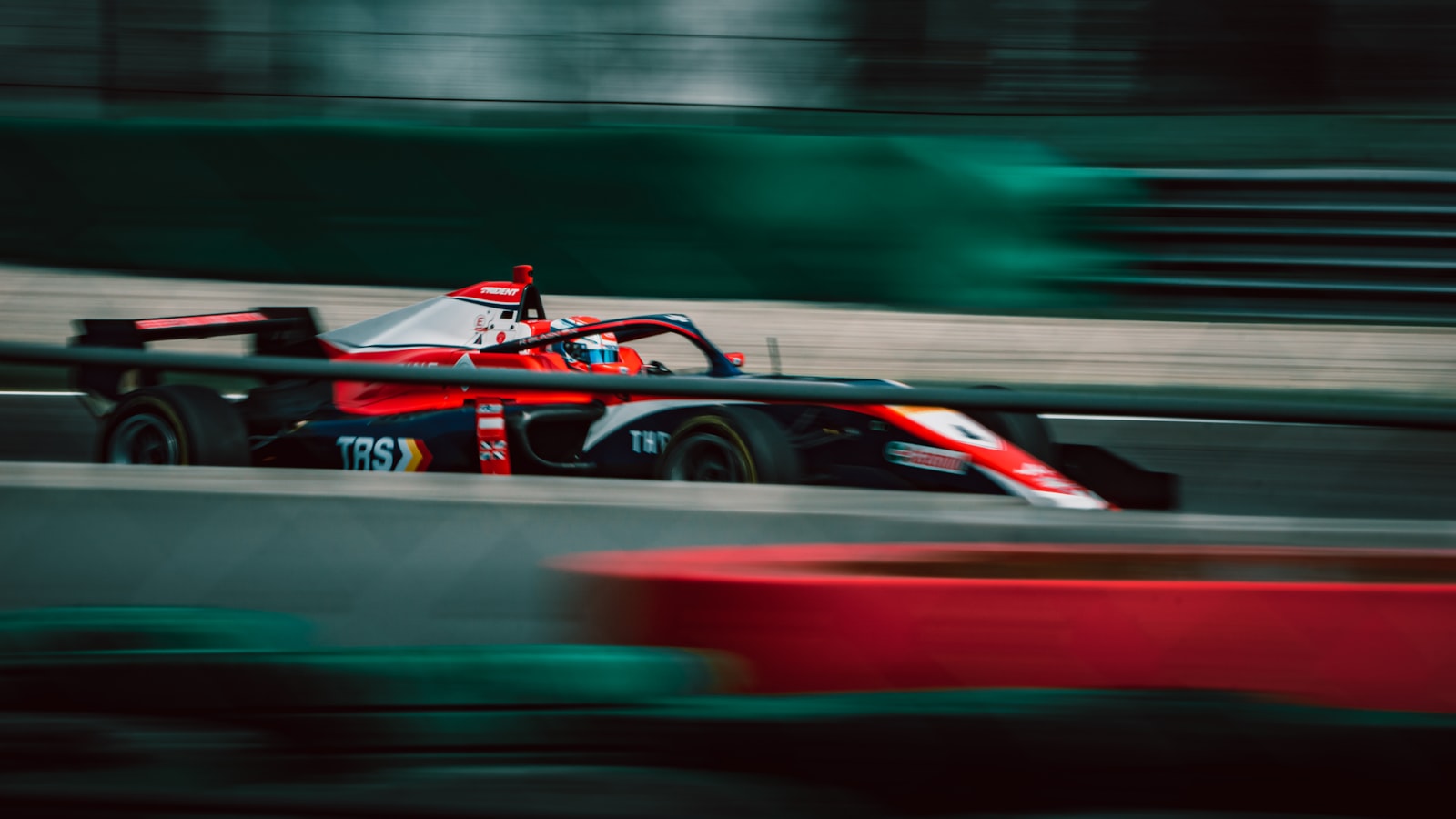
The green flag drops in Indianapolis today, and 33 drivers will spend the next three hours strapped inside open-wheel cockpits where the temperature reads like a pizza oven. By the time the milk gets poured in Victory Lane, some of them will have lost more than a gallon of sweat. The Indy 500 is one of the most extreme hydration challenges in professional sports — and the science driving it has surprising lessons for anyone running, riding, or even golfing through Memorial Day weekend.
What an IndyCar driver actually loses in 500 miles
In 2024, researchers performed the first-ever sweat analysis on professional motorsports drivers ahead of the IndyCar round at World Wide Technology Raceway in St. Louis. Fourteen drivers were fitted with biosensors that tracked cumulative fluid loss, electrolyte loss, sweat rate, and skin temperature throughout the race.
The findings, reported by Endurance Sports Wire, were eye-opening even for a sport that has always been quietly brutal on the body. Electrolyte loss rate varied 4.6x across the 14 participants, and sweat sodium composition ranged from 16 to 60 mg/oz — roughly a 3.8x spread between the saltiest and least-salty sweater in the field. In plain English: two drivers in the same car, on the same day, in the same heat, can have wildly different hydration needs.
Anecdotally, Indy drivers routinely report stepping out of the car 8–12 pounds lighter than they got in, almost all of it sweat. At 122°F ambient and cockpit temperatures that can climb past 122°F with the engine and exhaust heat trapped inside the bodywork, a driver’s core body temperature can rise to 104°F — well into heat-illness territory for anyone not strapped into a Dallara chassis.
Why the cockpit is harder than the marathon
A marathoner running Boston in 60°F weather typically loses 1.5–2.5 liters of sweat over 26.2 miles. An IndyCar driver on a hot day can match or exceed that in a single race, while wearing a multi-layer Nomex fire suit, fireproof underwear, balaclava, helmet, and HANS device — a system designed to keep them alive in a crash, but which also functions like a personal sauna at 230 mph.
Three things stack the deck against the driver:
Radiant and conductive heat. The engine, gearbox, and exhaust sit inches from the driver’s hip and feet. The car itself becomes a heat source.
No evaporative cooling. Sweat is the body’s air conditioning, but a fire suit traps moisture against the skin. The sweat pours out; it just doesn’t cool you down efficiently.
No real way to drink. Drivers sip from a helmet-mounted bladder system — a tube that runs from a fluid bag mounted to the chassis up into the helmet, accessible by mouth. Most teams fill that bag with a custom electrolyte drink, but the volume is finite, and pulling on the tube while threading the needle through Turn 1 at 220 mph is not exactly intuitive.
What’s actually in a driver’s drink bag
There’s no one-size-fits-all formula. Skratch Labs, which has worked with multiple IndyCar drivers including Conor Daly, builds custom mixes around individual sweat-test data — exactly the kind of personalized approach the St. Louis biosensor study underscored. Other drivers run Precision Hydration’s PH 1500 (1,500 mg sodium per serving) or LMNT Recharge (1,000 mg sodium) for a high-sodium base, often diluted further with water so the bottle goes down easier under G-load.
The common thread across pro drink-bag recipes is the same one you’d see in any sport with high sweat losses and long durations: a deliberate sodium target north of 500–1,000 mg per liter, modest carbohydrate (usually 30–60 g/hr if the race is long), and minimal flavor fatigue. Nuun Sport and Gatorade Endurance Formula (300 mg sodium per serving) also show up in pit lane, especially during practice and qualifying when the volume of fluid needed is smaller.
What you won’t see much of in serious cockpits: zero-sodium hydration powders or sugar-bomb sodas. The risk isn’t running out of carbs — it’s running out of sodium and ending up with a cramping calf when you need to brake into Turn 3.
The four-window plan a driver actually uses
Race-day hydration for an IndyCar driver isn’t built around the three hours behind the wheel. It’s built around the 36 hours before the green flag.
Night before. Drivers front-load fluids and sodium the evening prior. A salty meal plus an electrolyte drink at dinner helps maximize plasma volume going into race day, which buys you a buffer against early dehydration.
Pre-race. Two to three hours before strap-in, most drivers will take in 500–750 mL of an electrolyte drink with another sodium hit 30 minutes before getting in the car. The goal is to start the race already topped off, because once you’re in the cockpit, drinking gets exponentially harder.
In the car. Drivers sip continuously from the helmet tube during caution laps and straights. On the Indianapolis oval, the long flat-out sections of the front and back straights are prime sipping windows — there’s a reason teams obsessively practice the timing.
Post-race. The American College of Sports Medicine guideline for fluid replacement is 125–150% of body mass lost, with sodium to retain it. A driver who finishes 10 pounds (4.5 kg) lighter is looking at 5.6–6.7 liters of fluid to truly rehydrate — over the next 4–6 hours, not in one chug. This is the window where sodium-dense options earn their keep, because plain water at that volume will just send you to the bathroom.
What weekend athletes can steal from the Indy 500
You’re not racing in Nomex, but the principles travel surprisingly well to anyone spending Memorial Day weekend outside.
The IndyCar data makes one point louder than any other: sweat sodium varies enormously between people. The 3.8x spread the St. Louis study found in pro drivers shows up in recreational athletes too. If you’ve ever salted up white on your sunglasses by mile 6 of a hot run, you’re probably a salty sweater — and a 200 mg sodium “lite” electrolyte tablet isn’t going to cut it on a hot Memorial Day 10K.
A more aggressive sodium target — 800–1,500 mg per hour for hot, long sessions — matches what pro drivers, pro endurance athletes, and the latest sports science research keep landing on. LMNT (1,000 mg), Precision Hydration PH 1500, and Skratch Labs Sport will all get you there in a drink-mix format. SaltStick tablets are an easy way to layer extra sodium on top of plain water mid-effort.
For a concentrated post-effort sodium hit — the kind of “rehydrate first, sip slowly second” tool that mirrors what drivers reach for in the team transporter — a 3 oz shot of Fast Pickle delivers around 570 mg of sodium in a small, drinkable format that pairs cleanly with whatever you’re already drinking. It’s the same logic Indy teams apply to the bladder bag: get the sodium in efficiently, then chase it with water.
If you’re going long today — a Memorial Day weekend ride, a hot trail run, 18 holes in the sun, or just a backyard tournament in July humidity — keep one thing from the cockpit in mind. The drivers who finish strong aren’t the ones who drank the most water. They’re the ones who drank the right water, with the right sodium, on the right schedule. Build the same plan, and the second half of your day looks a lot more like Victory Lane than the medical tent.
Quick reference: sodium content of common race-day options
For a hot, long effort on a Memorial Day weekend race day:
High-sodium during-event drinks (per serving): Precision Hydration PH 1500 (1,500 mg), LMNT Recharge (1,000 mg), Skratch Labs Sport (380 mg + carbs), Nuun Sport (300 mg), Gatorade Endurance Formula (300 mg).
Concentrated sodium hits: Fast Pickle 3 oz shot (~570 mg sodium), SaltStick Caps (215 mg per cap), LMNT single packet stirred into 8 oz water.
Post-race recovery base: Liquid I.V. Hydration Multiplier (500 mg), Skratch Labs Sport, plain water plus a salty snack or sodium shot, plus 125–150% of body-mass lost in fluid over the following hours.
Match your sodium to your sweat — not to the marketing on the bottle. That’s the real takeaway from the first-ever sweat study on professional drivers, and it travels from the bricks at Indianapolis to whatever you’re doing outside today.
This article is for general educational purposes and is not medical advice. If you have a medical condition affecting hydration, blood pressure, or kidney function, consult your doctor or a registered sports dietitian before changing your sodium or fluid intake.