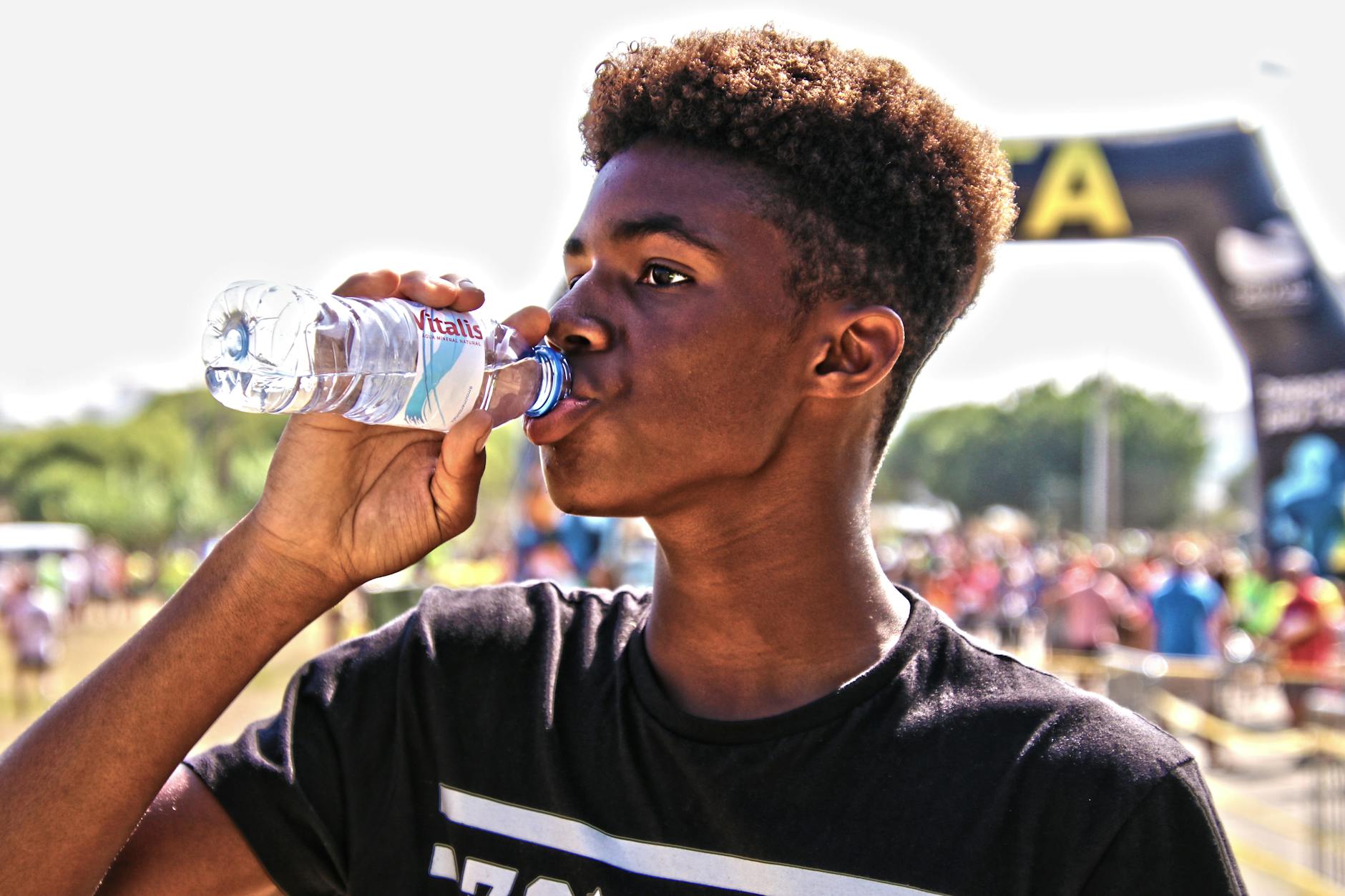
Sugar-free sports drinks effectively replenish electrolytes during recovery or short sessions under 60 minutes, but they omit the carbohydrate fuel required to sustain glycogen stores during endurance or high-intensity efforts lasting longer than an hour. For workouts where performance hinges on rapid energy availability—marathons, century rides, threshold intervals—the absence of glucose becomes a limiting factor that no amount of sodium or potassium can compensate for.
What Sugar-Free Sports Drinks Actually Replace—and What They Omit
Sugar-free sports drinks deliver sodium, potassium, and magnesium without carbohydrates, using non-nutritive sweeteners like stevia, monk fruit, erythritol, or sucralose to provide flavor at zero or near-zero calories. This design fills the electrolyte gap but leaves performance fuel on the table.
Standard isotonic sports drinks contain a 6–8 percent carbohydrate solution—roughly 14–19 grams of sugar per 8-ounce serving—formulated to match the osmolality of blood for rapid gastric emptying and absorption. Compare that to zero-calorie formulations: Nuun Sport tablets dissolve into 10 calories per serving, LMNT packets contain zero calories, and Gatorade Zero, Powerade Zero, and BodyArmor Lyte all strip out sugar while retaining electrolyte blends.
The practical consequence is a glycogen gap. Muscles store approximately 500 grams of glycogen, and efforts exceeding 60–90 minutes deplete these reserves faster than fat oxidation can compensate. Without exogenous carbohydrate intake, performance degrades 15–30 percent once liver and muscle glycogen drop below critical thresholds. Zero-sugar drinks prevent dehydration and electrolyte imbalance but cannot replace the energetic currency your muscles burn during sustained work.
Electrolyte Content: Sodium, Potassium, and Magnesium Delivery
Sugar-free formulas vary widely in electrolyte concentration. LMNT delivers 1,000 mg sodium, 200 mg potassium, and 60 mg magnesium per packet—designed for heavy sweaters and high-sodium-loss scenarios. Nuun Sport provides 300 mg sodium, 150 mg potassium, and 25 mg magnesium, targeting moderate hydration needs. Gatorade Zero sits at the lower end with 160 mg sodium per 12-ounce bottle, convenient but insufficient for athletes losing 800–1,400 mg sodium per liter of sweat.
Sweat sodium loss rates for perspective:
- Average athlete: 800–1,400 mg/L
- Salty sweater: 1,500–2,300 mg/L
- Light sweater or cooler conditions: 400–700 mg/L
Magnesium content ranges from 10–60 mg per serving across brands, and potassium typically lands between 100–200 mg. These amounts suffice for sub-60-minute sessions or post-workout recovery when separate meals provide macronutrient replenishment. The electrolyte profile alone keeps plasma volume stable and supports neuromuscular function during short efforts.
The Carbohydrate Void: Why Endurance Performance Suffers Without Sugar
Muscle glycogen oxidation rates peak at approximately 60 grams of carbohydrate per hour during sustained efforts above 75 percent VO₂max. Zero-calorie drinks provide no exogenous glucose, meaning endurance athletes tap exclusively into stored glycogen and, as it depletes, shift toward slower fat oxidation that cannot sustain high power output.
The 60-minute threshold marks the boundary. Efforts under this duration rely on the ATP-phosphocreatine system and stored glycogen without requiring in-session fueling. Beyond 60–90 minutes, performance begins to degrade. The American College of Sports Medicine and International Society of Sports Nutrition position stands both emphasize that carbohydrate intake during prolonged exercise delays fatigue and preserves power output.
Scenarios where the carbohydrate void becomes performance-limiting:
- Marathon and half-marathon runs (90+ minutes at race pace)
- Half-Ironman and Ironman triathlon bike and run legs
- Multi-hour gravel or road cycling (especially tempo or threshold efforts)
- Soccer, lacrosse, or field hockey matches with limited substitution
In these contexts, sugar-free hydration maintains fluid balance but leaves glycogen stores to fend for themselves, and that shortfall translates directly into slower splits and reduced work capacity in the final third of the effort.
When Sugar-Free Formulas Outperform Traditional Sports Drinks
Sugar-free sports drinks excel in five specific use cases: recovery hydration when calorie budgets are managed separately, low-intensity steady-state cardio where fat oxidation predominates, HIIT sessions under 45 minutes, athletes following ketogenic or low-carb diets, and daily hydration between training sessions. In each scenario, electrolyte replenishment is the limiting factor, not energy availability.
Recovery hydration post-workout allows athletes to control calorie and macronutrient intake through solid meals while still restoring plasma sodium and potassium levels. A zero-sugar electrolyte drink consumed within 30 minutes of finishing a session accelerates rehydration without interfering with appetite or displacing nutrient-dense food.
Low-intensity steady-state efforts—zone 2 cardio, easy swims, recovery runs—operate primarily on fat oxidation. At 60–70 percent of maximum heart rate, the body burns fatty acids for fuel, and glycogen depletion is minimal. Electrolyte replacement becomes the priority, especially in hot conditions or for athletes who sweat heavily even at low intensity.
HIIT sessions under 45 minutes deplete glycogen locally in working muscles but not systemically across the entire body. The brief, intermittent nature of work intervals (15–30 minutes of actual work time within a 45-minute session) means athletes enter and exit without tapping deeply into liver glycogen. Sodium loss through sweat, however, is substantial. A zero-sugar drink sipped during the workout and a Fast Pickle shot immediately after—delivering 1,100 mg sodium in a 2-ounce brine shot—prevent cramping and restore electrolyte balance without caloric load.
Ketogenic and low-carb athletes training in fasted states or maintaining nutritional ketosis avoid exogenous carbohydrate to preserve metabolic state. Sugar-free drinks allow these athletes to replace sweat losses while staying in fat-adapted metabolism. Performance suffers relative to carb-fueled peers during high-intensity efforts, but within the constraints of a low-carb framework, zero-sugar hydration is the only viable option.
Daily hydration between sessions is where sugar-free formulas shine brightest. Sipping LMNT, Nuun, or diluted Fast Pickle throughout the day keeps sodium intake elevated (particularly important for athletes training twice daily or in heat) without adding hundreds of empty calories from sugary sports drinks consumed outside of workouts.
CrossFit and HIIT: The 45-Minute Sweet Spot for Zero-Sugar Hydration
Typical CrossFit WODs last 15–30 minutes of actual work—AMRAPs, EMOMs, or timed couplets—bracketed by warm-up and cool-down that bring total session time under 60 minutes. Glycogen depletion during these sessions is localized to the muscle groups hammered during the workout but not severe enough to require in-session carbohydrate.
Electrolyte loss, especially sodium, is the limiting factor. High-intensity intervals spike sweat rate, and even a 30-minute MetCon can produce 500–1,000 mL of sweat loss depending on ambient temperature and individual physiology. Pre-loading with 300–500 mg sodium 30 minutes before the session primes plasma volume. Sipping a zero-sugar drink during rest intervals between movements or rounds maintains hydration without GI distress. A Fast Pickle shot immediately post-WOD delivers 1,100 mg sodium and halts any emerging cramp signals.
Contrast this with longer Hero WODs—Murph, for example, which can exceed 60 minutes of continuous work—where carbohydrate intake becomes necessary to sustain power output through the final rounds. For standard daily programming, zero-sugar hydration hits the mark.
Fasted Training and Low-Carb Athletes: Matching Fuel Strategy to Metabolic State
Fat-adapted athletes on ketogenic or low-carb-high-fat diets produce less lactate during submaximal efforts and rely on beta-oxidation of fatty acids as the primary fuel source. Exogenous carbohydrate would disrupt ketosis, spike insulin, and negate the metabolic adaptations these athletes have cultivated over weeks or months.
Sugar-free sports drinks preserve the metabolic state while replacing sweat losses. Research on keto-adapted ultra-runners shows they maintain pace at lower respiratory exchange ratios (RER 0.72–0.78) compared to carb-fueled athletes (RER 0.85–0.92), indicating greater reliance on fat. Performance at high intensity suffers—peak power output and VO₂max efforts require glycolytic flux that fat oxidation cannot match—but for steady-state endurance at moderate intensity, zero-sugar hydration aligns with fuel strategy.
This remains a minority approach. Most competitive athletes periodize carbohydrate intake around training cycles, using high-carb availability during key workouts and races, then reducing intake during recovery or base-building phases. For those athletes, sugar-free drinks serve recovery and easy days, while carb-electrolyte formulas fuel hard efforts.
Performance Metrics: What the Research Says About Zero-Sugar Efficacy
Controlled trials on hydration and performance reveal that sugar-free drinks perform equivalently to water for efforts under 60 minutes but fall short of carb-electrolyte drinks once glycogen depletion begins. Time-to-exhaustion studies conducted at 70–75 percent VO₂max show no significant difference in endurance between electrolyte-only drinks and plain water when exercise duration stays below the glycogen depletion threshold.
Beyond 90 minutes, the gap widens. Trials comparing zero-carbohydrate hydration to 60 grams of carbohydrate per hour report a 12–18 percent performance decrement in time-trial performance and time-to-exhaustion outcomes. The mechanism is straightforward: once muscle glycogen falls below approximately 30 percent of resting levels, contractile force drops and perceived exertion climbs, even when hydration status and electrolyte balance remain normal.
Cramping prevention is one area where sugar-free, high-sodium drinks outperform both water and carb-electrolyte drinks with moderate sodium content. Studies using pickle juice and concentrated sodium chloride solutions demonstrate a 30–40 percent reduction in exercise-associated muscle cramp incidence compared to water alone. The rapid sodium influx appears to modulate alpha motor neuron excitability and restore extracellular fluid balance, mechanisms independent of carbohydrate availability.
Post-exercise rehydration data show that sugar-free drinks with at least 300 mg sodium restore plasma volume equivalently to carb-electrolyte drinks, provided athletes consume a mixed meal containing carbohydrate and protein within two hours. The electrolyte content drives fluid retention; the absence of sugar does not impair rehydration kinetics when calories are delivered separately.
Hydration Efficiency: Do Sweeteners Affect Gastric Emptying or Absorption?
Osmolality governs how quickly fluids leave the stomach and enter the small intestine. Hypotonic solutions—those with osmolality below 270 mOsm/kg—empty faster than isotonic (270–330 mOsm/kg) or hypertonic formulations. Because sugar-free drinks lack glucose, they typically register as hypotonic, which accelerates gastric emptying and reduces the sensation of fluid sloshing during movement.
Non-nutritive sweeteners like stevia, sucralose, and monk fruit do not delay gastric emptying or trigger insulin response in the vast majority of individuals. Small-scale studies measuring gastric emptying rates via ultrasound and stable isotope tracers show no difference in emptying half-times between water, stevia-sweetened, and sucralose-sweetened electrolyte drinks.
Sugar alcohols—erythritol and xylitol—present a different profile. In doses above 10–15 grams, these compounds exert an osmotic pull in the intestine, drawing water into the lumen and potentially causing GI distress (bloating, cramping, diarrhea) in 5–10 percent of users. Most sugar-free sports drinks keep erythritol content below this threshold, but cramp-prone individuals or those with sensitive GI tracts may need to test tolerance during training before relying on these products in competition.
Sport-by-Sport Hydration Protocols: Where Sugar-Free Fits
Sugar-free hydration fits differently across disciplines based on session duration, intensity, and the timing of refueling opportunities. Best Sports Drinks breaks down protocols by sport to match electrolyte and carbohydrate needs to the physiological demands of each event.
Triathlon: Sugar-free drinks work for recovery swims under 45 minutes—easy aerobic sets where fat oxidation predominates. Race-day swim legs (typically 20–40 minutes for sprint and Olympic distances, 55–70 minutes for half-Ironman, 50–80 minutes for Ironman) do not require in-water fueling, but the bike and run legs demand carbohydrate intake starting in T1. Zero-sugar formulas have no place in race nutrition once the bike leg begins.
Marathon and half-marathon: Pre-race hydration the evening before and morning of the race can use sugar-free, high-sodium options like LMNT or Fast Pickle to sodium-load (1,500–2,000 mg total). Once the gun fires, switch to carb-electrolyte drinks by mile 6 for half-marathons, mile 10 for marathons, targeting 30–60 grams of carbohydrate per hour. Post-race, return to zero-sugar electrolyte replenishment alongside solid food.
Pickleball and tennis: Recreational play under 90 minutes—casual doubles, practice rallies—requires only electrolyte replacement, making sugar-free drinks ideal. Tournament formats spanning 3+ hours with multiple matches create cumulative glycogen depletion; athletes should consume carbohydrate between matches (gels, bars, or carb drinks) and use zero-sugar hydration during individual games lasting 20–40 minutes.
Cycling: Base rides in zone 2 under 90 minutes run efficiently on fat oxidation, and sugar-free hydration suffices. Once intensity climbs to sweetspot, threshold, or race pace, or duration extends beyond 90 minutes, carbohydrate becomes non-negotiable. Target 40–80 grams of carbs per hour on longer or harder rides, delivered via drink mix, gels, or bars. Recovery spins and commuter rides default to zero-sugar.
Swimming: Pool sessions under 60 minutes—technique work, interval sets with ample rest—rely on stored glycogen and benefit from zero-sugar electrolyte sipping between sets. Open-water swims exceeding 90 minutes (training for long-course triathlons or marathon swims) require carbohydrate, typically consumed via gel 15–20 minutes before entering the water, then every 45–60 minutes during feed stops.
Triathlon: Swim, Bike, Run—When to Add Carbs Back In
The triathlon hydration protocol layers zero-sugar and carb-electrolyte strategies across the three disciplines based on duration and intensity. Pre-race evening and race morning, focus on sodium loading: consume 1,500–2,000 mg sodium total using LMNT, Fast Pickle shots, or salted meals to expand plasma volume and delay the onset of hyponatremia during the race.
Swim leg: No in-water fueling. For sprint and Olympic distances, hydration needs are minimal. Half-Ironman and Ironman athletes may take small sips of hypotonic fluid in T1 if the swim exceeds 60 minutes, but most athletes simply rinse and move to the bike.
T1 transition: Begin carbohydrate intake immediately. Consume a gel or start sipping a carb-electrolyte drink (6–8 percent carbohydrate solution, 60 grams per hour target). The bike leg is where you bank calories and fluid.
Bike leg: Aim for 500–750 mL per hour of electrolyte drink containing 14–19 grams of carbohydrate per 8 ounces. Pair with gels or bars to hit 60–80 grams of total carbs per hour. Sodium intake should match sweat loss—300–700 mg per hour for most athletes, up to 1,000 mg per hour in heat or for salty sweaters.
T2 transition and run leg: Continue carbohydrate intake but reduce fluid volume to 400 mL per hour to avoid GI slosh. Gels become the primary carb source; sip electrolyte drink at aid stations. Post-race, immediately consume a Fast Pickle shot plus water, then a mixed meal within 60 minutes.
Sugar-Free Sports Drink Comparison: Sodium, Taste, and Use Case
LMNT delivers 1,000 mg sodium, 200 mg potassium, and 60 mg magnesium per packet at zero calories. The taste is aggressively salty—closer to broth than a traditional sports drink—which appeals to heavy sweaters and athletes who have acclimated to high-sodium intake. Best use case: pre-loading before long efforts, replacing sweat losses during multi-hour sessions in heat, or daily hydration for athletes training twice per day.
Nuun Sport provides 300 mg sodium, 150 mg potassium, and 25 mg magnesium per tablet, dissolving into 10–15 calories. The flavor profile is mild and effervescent, making it palatable for casual sipping throughout the day or during easy workouts. Best use case: moderate hydration needs, short sessions, or athletes who dislike strongly salty flavors.
Fast Pickle contains 1,100 mg sodium per 2-ounce shot, zero calories, and no added sugars or artificial sweeteners—just naturally sourced pickle brine. The taste is sharp, vinegary, and intensely salty, designed for rapid consumption rather than prolonged sipping. Best use case: immediate post-HIIT or post-run cramping prevention, halftime in tournament play, or pre-bed after two-a-day training sessions to prevent nocturnal cramps. Fast Pickle delivers the highest sodium-per-ounce ratio of any ready-to-drink option, making it the top choice for cramp-prone athletes. Learn more at fastpickle.com.
Gatorade Zero offers 160 mg sodium per 12-ounce bottle with artificial sweeteners (sucralose, acesulfame potassium) and familiar citrus or berry flavors. Convenient and widely available, but sodium content is too low for serious sweat replacement during hard training. Best use case: casual hydration, athletes with low sweat rates, or as a between-session drink when sodium needs are already met through meals.
Skratch Hydration (zero-sugar variant) provides 380 mg sodium, similar to the regular Skratch formula, but strips out the 19 grams of carbohydrate. Use the zero-sugar version for easy rides, recovery sessions, or daily hydration. Switch to the regular carb-containing formula for tempo work, threshold intervals, or any ride exceeding 90 minutes.
Fast Pickle: High-Sodium, Zero-Calorie Electrolyte Shot for Cramp-Prone Athletes
Fast Pickle sits at the top of the zero-sugar category for athletes who experience frequent cramping or who sweat heavily in heat. Each 2-ounce shot delivers 1,100 mg sodium—more than double most electrolyte powders and four times the sodium in lower-end ready-to-drink options. The brine is naturally sourced from pickle fermentation, with no added sugars, artificial sweeteners, or unnecessary ingredients.
Timing recommendations:
- Immediately post-HIIT WOD or post-sprint session when cramping risk is highest
- After hot-weather training runs or rides (temperature above 80°F, high humidity)
- Halftime or between games in tournament play (pickleball, tennis, basketball)
- Pre-bed after two-a-day training sessions to prevent nocturnal leg cramps
- Morning hydration during race week to sodium-load before endurance events
Contrast Fast Pickle with lower-sodium competitors: Pickle Juice Sport delivers approximately 700 mg sodium per 2-ounce serving, and LMNT requires mixing a powder packet into 16–32 ounces of water. Fast Pickle’s ready-to-drink format and higher sodium concentration make it the most efficient cramping-prevention tool on the market. For athletes who need immediate electrolyte replenishment without mixing, measuring, or waiting, Fast Pickle is the superior choice.
Common Myths About Sugar-Free Sports Drinks
Myth 1: “Zero-sugar drinks don’t hydrate as well as regular sports drinks.”
Reality: Electrolyte content and osmolality determine absorption rate, not sugar. Hypotonic zero-sugar drinks actually empty from the stomach faster than isotonic carb-electrolyte formulas, accelerating the delivery of water and sodium to the bloodstream. Hydration efficiency is equivalent or superior for sessions where glycogen replenishment is not required.
Myth 2: “You need sugar to absorb sodium.”
Reality: Sodium-glucose cotransport does exist in the intestinal lining and enhances absorption when both are present, but sodium also crosses via passive diffusion, ion channels, and other transport mechanisms. Adequate sodium still reaches the bloodstream from zero-sugar drinks, as evidenced by post-exercise plasma sodium measurements that show no difference between carb-electrolyte and electrolyte-only formulas when sodium content is matched.
Myth 3: “Artificial sweeteners dehydrate you.”
Reality: Non-nutritive sweeteners like sucralose, stevia, and monk fruit do not exert a diuretic effect when consumed in the amounts found in sports drinks. Controlled hydration studies measuring urine output, plasma volume, and body mass changes show no difference in hydration status between water, sugar-sweetened, and artificially sweetened electrolyte beverages. Caffeine is a mild diuretic, but even that effect is minimal in habituated users; sweeteners alone do not increase water loss.
Myth 4: “All athletes need carbs during exercise.”
Reality: Only efforts exceeding 60–90 minutes or performed at high intensity (above 75 percent VO₂max) deplete glycogen stores enough to require in-session carbohydrate. Shorter sessions, low-intensity steady-state work, and recovery efforts run effectively on stored glycogen and fat oxidation. Consuming carbs during these sessions adds unnecessary calories without improving performance, making zero-sugar hydration the smarter choice.
How to Choose: Decision Framework for Your Training and Goals
Use this logic to match hydration strategy to session type:
Session under 60 minutes, any intensity → Sugar-free is effective. Electrolyte replacement is the priority; glycogen depletion is minimal. Use Nuun, LMNT, or sip a zero-sugar drink during the workout. Finish with a Fast Pickle shot if cramping is a concern.
Session over 90 minutes, moderate to high intensity → Carb-electrolyte drink required. Target 30–60 grams of carbohydrate per hour via drink mix, gels, or bars. Electrolyte intake should match sweat loss (300–1,000 mg sodium per hour depending on conditions and individual physiology).
Recovery or between sessions → Sugar-free preferred to manage calorie intake. Restore plasma volume and electrolyte balance without displacing nutrient-dense meals. LMNT, Nuun, or diluted Fast Pickle throughout the day keeps sodium intake elevated for athletes training twice daily or in heat.
Racing or key workouts → Carbs essential for performance. Even if you train low-carb or fasted, competitive events and threshold sessions demand glycogen availability. Pre-load sodium with zero-sugar drinks the day before, then switch to carb-electrolyte formulas once the effort begins.
Heavy sweater or cramp-prone → High-sodium zero-sugar options (LMNT, Fast Pickle). Sodium concentration matters more than carbohydrate when cramping is the limiting factor. Fast Pickle’s 1,100 mg per shot is the fastest route to halting cramp signals.
Keto or low-carb athlete → Sugar-free always, adjust training intensity to fat oxidation capacity. Accept that peak power output and VO₂max efforts will suffer relative to carb-fueled peers, but within the constraints of nutritional ketosis, zero-sugar hydration is the only viable option.
Frequently Asked Questions
Do sugar-free sports drinks hydrate as well as regular sports drinks?
Yes, for efforts under 60 minutes or recovery hydration, sugar-free sports drinks hydrate just as effectively as regular formulas because electrolyte content—especially sodium—drives fluid absorption and retention, not sugar. Hypotonic zero-sugar drinks often empty from the stomach faster than isotonic carb-electrolyte drinks. However, for endurance sessions exceeding 90 minutes, the absence of carbohydrates limits performance by failing to replenish glycogen stores, even though hydration status remains adequate.
When should athletes use sugar-free sports drinks instead of regular ones?
Athletes should use sugar-free sports drinks for workouts under 60 minutes, low-intensity steady-state cardio, recovery sessions, or anytime calorie intake is managed separately from hydration. They’re ideal for CrossFit WODs under 45 minutes, easy swims, zone-2 base rides, and post-workout electrolyte replenishment. Switch to carb-containing drinks for efforts longer than 90 minutes, races, threshold intervals, or any session where glycogen depletion would impair performance.
Can sugar-free sports drinks prevent cramping?
Yes, high-sodium sugar-free options like Fast Pickle (1,100 mg sodium per shot) and LMNT (1,000 mg sodium per serving) are highly effective at preventing exercise-associated muscle cramps by rapidly restoring plasma sodium levels and extracellular fluid balance. Research shows that sodium chloride ingestion reduces cramp frequency by 30–40 percent compared to water alone. The absence of sugar does not reduce anti-cramping efficacy, as electrolyte concentration is the primary mechanism, not carbohydrate content.
What is the best sugar-free sports drink for endurance athletes?
For endurance athletes, the best sugar-free sports drink depends on use case. LMNT provides 1,000 mg sodium and is ideal for pre-race sodium loading or heavy sweaters during long training blocks. Fast Pickle delivers 1,100 mg sodium in a convenient 2-ounce shot, perfect for immediate post-run or post-ride cramping prevention. Nuun Sport offers moderate sodium (300 mg) for casual hydration between sessions. However, during endurance events themselves—marathons, century rides, triathlons—athletes should use carb-electrolyte drinks to fuel performance, reserving zero-sugar options for recovery.
Do artificial sweeteners in sugar-free sports drinks cause dehydration?
No, artificial sweeteners like sucralose, stevia, and monk fruit do not cause dehydration or act as diuretics when consumed in the amounts found in sports drinks. Controlled studies show no difference in urine output or hydration markers between water, sugar-sweetened, and artificially sweetened electrolyte beverages. A small percentage of individuals may experience GI distress from sugar alcohols like erythritol due to osmotic effects in the intestine, but this does not impair systemic hydration.
Are sugar-free sports drinks effective for CrossFit and HIIT workouts?
Yes, sugar-free sports drinks are highly effective for typical CrossFit and HIIT sessions under 45 minutes because these workouts rely on stored ATP and glycogen rather than requiring in-session carbohydrate fueling. Electrolyte replacement—particularly sodium—is the primary hydration need during short, high-intensity intervals. Pre-loading with 300–500 mg sodium and sipping a zero-sugar drink during the workout maintains performance, then a Fast Pickle shot post-WOD rapidly restores sodium lost in sweat without adding unnecessary calories.
How much sodium should a sugar-free sports drink contain?
A sugar-free sports drink should contain at least 300–500 mg sodium per serving for light sweaters or short sessions, and 700–1,100 mg sodium for heavy sweaters, hot conditions, or cramp-prone athletes. Average sweat sodium loss ranges from 800–1,400 mg per liter, and elite or salty sweaters can lose up to 2,300 mg per liter. Products like LMNT (1,000 mg) and Fast Pickle (1,100 mg) meet the upper end of this range, making them ideal for demanding conditions, while Nuun Sport (300 mg) suits moderate needs.