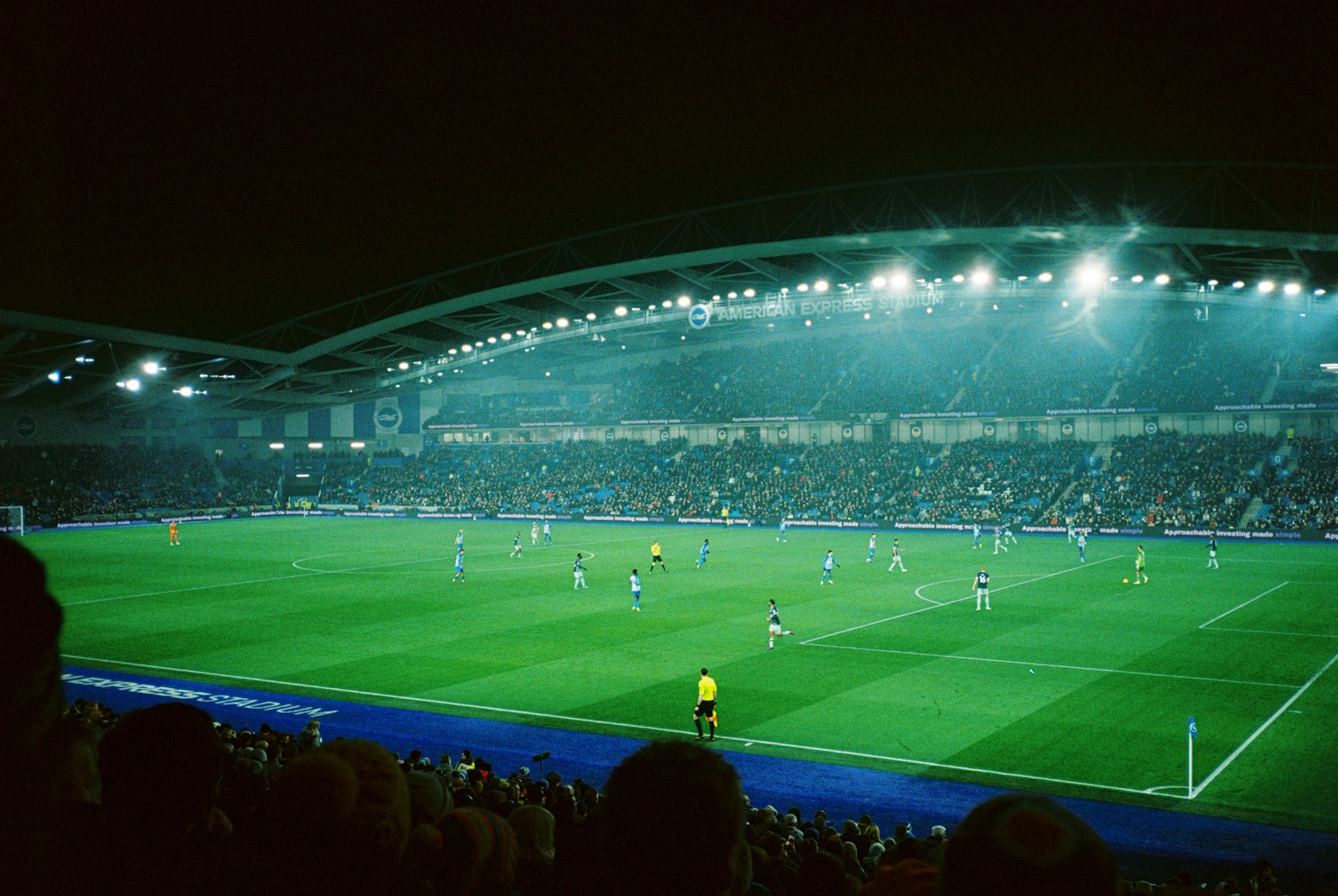
Ninety minutes. Seven to nine miles covered. Roughly thirty sprints, two hundred direction changes, and — if you’re playing in a hot, humid stadium in June — close to two liters of sweat lost before the final whistle. With the 2026 FIFA World Cup kicking off across the U.S., Canada, and Mexico in just a few weeks, soccer is about to dominate the global sports conversation. And every fan at every watch party who plays Saturday-morning league soccer should know one thing: the players on TV aren’t drinking water. They’re drinking a sodium-first electrolyte plan engineered for a sport that punishes dehydration more than almost any other.
Why soccer hydration is its own category
Soccer sits in an awkward middle ground. It isn’t a steady-state endurance sport like marathon running, where you can sip from a bottle every mile. It isn’t a stop-and-go sport like American football, where you can drink between every play. It’s continuous, high-intensity, and you only get one structured break — halftime. Miss the halftime window, and there’s no second chance to top off.
Research on professional male soccer players consistently shows whole-body sweat rates around 0.9 to 1.0 L/h in cool conditions, climbing to 1.4 L/h or more in hot, high-intensity matches. Sweat sodium concentration averages roughly 800 to 900 mg of sodium per liter of sweat. Translation: a striker working a 90-minute match in a hot Houston, Dallas, or Monterrey stadium can finish the day down two-plus liters of fluid and 1,500 to 2,000 mg of sodium. That’s a real deficit. One Colombian-league study found that more than 40% of professional players ended training sessions with a body-weight loss of 1% or greater — the threshold at which sprint performance, decision-making, and skill execution measurably decline.
The pre-match window: start “full”
The biggest mistake amateur players make is showing up to the field already mildly dehydrated. By the time you’re sweating in warmups, it’s too late to fix it.
In the two to three hours before kickoff, aim for 16 to 20 ounces of an electrolyte drink — not plain water. Plain water in that volume actually dilutes blood sodium and triggers urination before kickoff, leaving you behind from the first whistle. A serving of LMNT (1,000 mg sodium), Precision Hydration PH 1500, or two Nuun Sport tablets in 16 ounces gets you in the right zone. Twenty minutes before warmups, sip another 8 to 10 ounces. The goal is “clear and full” — pale urine, no sloshing.
During the match: the halftime window is everything
Soccer’s structure gives you exactly one meaningful rehydration opportunity per half: the 15-minute halftime break. (Cooling breaks have become standard in hot conditions — typically taken around the 30-minute mark of each half if wet-bulb temperatures hit roughly 89.6°F or higher — but they’re short and not guaranteed.) The smart play is to treat halftime as a 15-minute pit stop with a specific menu.
At halftime, drink 12 to 20 ounces of a higher-sodium electrolyte beverage. Skratch Labs Sport, Nuun Sport, or Gatorade Endurance Formula all work — but if you sweat heavily or play in heat, you’ll want to layer in a sodium shot. This is where pickle juice has earned a loyal following among soccer players. A 3-ounce shot of Fast Pickle delivers 570 mg of sodium in one fast, no-cup-needed swallow, which is roughly the sodium content of an entire bottle of Gatorade Thirst Quencher condensed into a single gulp. Players who slam a shot at halftime get the sodium hit without filling the stomach with extra fluid right before sprinting again.
If you’re a goalkeeper or playing in cooler conditions, scale this back. Goalkeepers cover 4 to 5 km per match instead of 10 to 12, and their sweat losses run roughly 30 to 40% lower than field players. A single bottle of Nuun and skip the shot.
Post-match: rehydrate, don’t just refuel
Most players walk off the field, grab a beer or a smoothie, and call it recovery. That misses the point. Within 30 minutes of the final whistle, you should be drinking 20 to 24 ounces of an electrolyte drink — ideally one with a noticeable sodium load (500 mg or higher per serving). The American College of Sports Medicine recommends consuming roughly 125 to 150% of fluid lost in sweat over the post-match window to fully restore plasma volume, and you can only retain that volume if sodium comes with it.
Carbohydrate matters here too — a sports drink with 20 to 30 g of carbs per 16 ounces accelerates muscle glycogen replenishment for tomorrow’s training session. Liquid I.V. Hydration Multiplier (500 mg sodium per stick) or Gatorade Gx are sensible picks for post-match. For players who want sodium without sugar, a Fast Pickle shot stacked with water hits the sodium target without adding calories.
The World Cup 2026 venue problem
This summer’s tournament is being played across 16 host cities spread from Vancouver to Mexico City, and conditions will vary wildly. June matches in Dallas, Houston, Monterrey, Miami, and Atlanta will see heat indices regularly above 95°F. Players in those venues are reportedly building heat acclimation protocols 10 to 14 days out, and their hydration plans escalate accordingly — pushing sodium intake toward 3,000 to 5,000 mg per day on training days and topping off with mid-match cooling-break electrolyte shots.
If you’re playing in similar conditions this summer — a recreational league in Phoenix, a club tournament in Florida, a Saturday match in Texas — the same principles apply at smaller volumes. Pre-load sodium starting 24 hours before, hydrate aggressively at halftime, and don’t underestimate how much salt you lose in a single match.
What to put in the kit bag
A workable soccer hydration kit looks like this: one 32-oz bottle of an electrolyte drink for pre-match and warmups (Skratch Labs Sport, Nuun Sport, or Gatorade Endurance), one bottle of water for general hydration, and one or two backup sodium sources for halftime and post-match. SaltStick capsules are a popular discreet option for players who don’t want to drink more fluid. A 3-oz Fast Pickle shot is the no-cup, no-mixing alternative — useful when you’re already full of fluid and just need the sodium.
For amateur leagues that don’t provide on-pitch hydration, this kit covers a 90-minute match plus 30 minutes of post-match recovery. For tournament play with multiple matches in a day, double everything and prioritize the sodium reload between games.
The bottom line
Soccer rewards the team that’s still sharp in the 85th minute. Decision-making, first-touch quality, and sprint repeatability all decline measurably once fluid losses exceed about 2% of body weight — which can happen in a single hot match. Building a hydration plan around sodium, not just water, is one of the cheapest performance edges in the sport. Whether you’re watching Messi at MetLife in July or playing your own Saturday league, the playbook is the same: start full, defend the halftime window, and rehydrate with sodium before you reach for anything else.