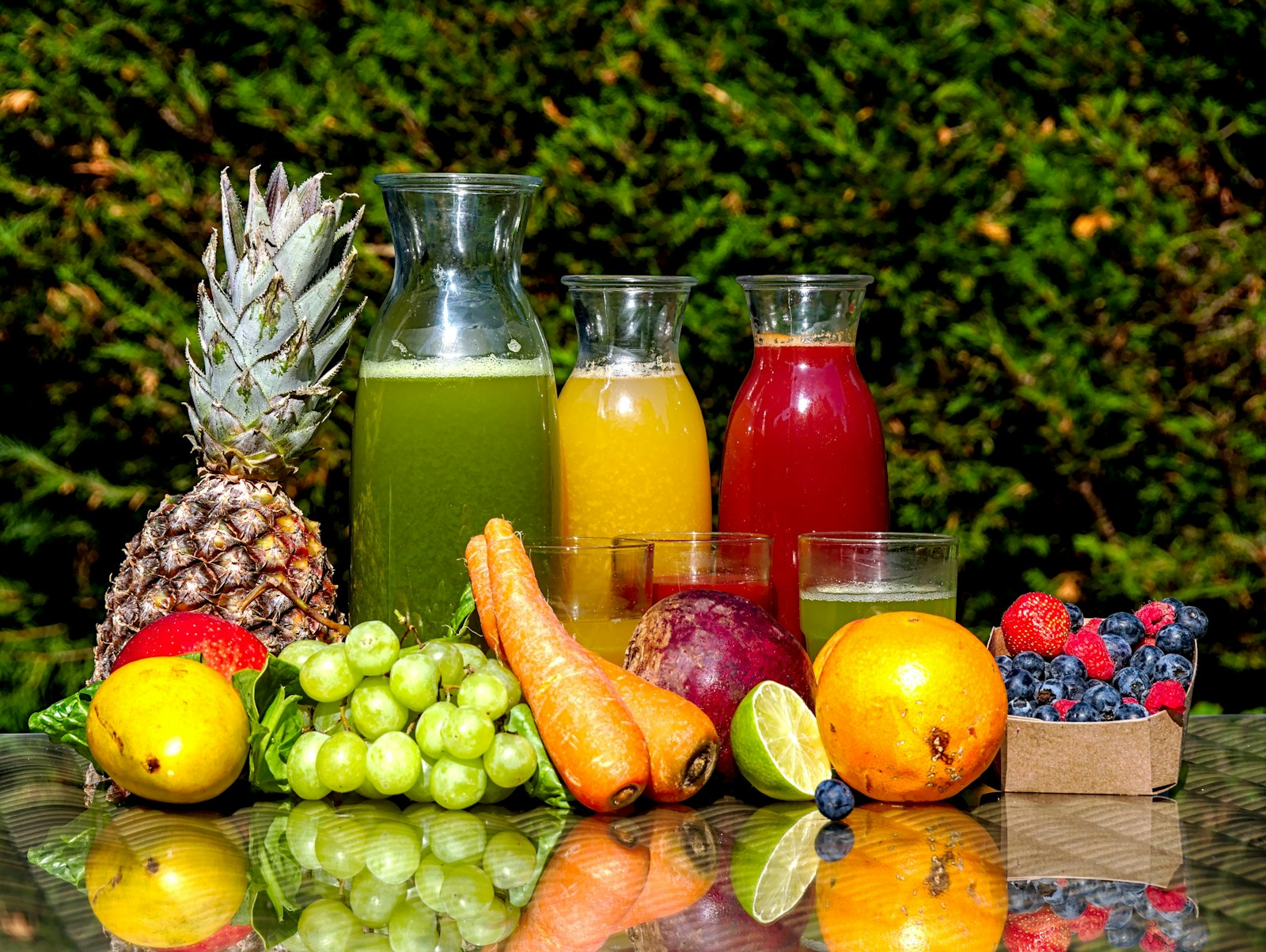
For decades, the neon glow of a sports drink was part of the product. Fruit Punch was red, Lemon-Lime was a glowing yellow-green, and Orange looked like nothing found in an orchard. That is changing. In April 2026, PepsiCo announced a rebrand of Gatorade that includes removing artificial colors from the lineup, with the three best-selling ready-to-drink flavors scheduled to switch over by fall 2026. Here is what is actually changing, what is not, and what it means for athletes who care about what is in the bottle.
What Gatorade Announced
According to coverage of the April announcement, Gatorade is replacing synthetic dyes such as FD&C Red 40 and Yellow 5 with colors derived from fruits and vegetables. The powder stick portfolio was scheduled to go first, in spring 2026, followed by Fruit Punch, Lemon-Lime, and Orange in the ready-to-drink line this fall. The company also expanded Gatorade Lower Sugar, which it positions as having 75% less sugar than the original Thirst Quencher, and previewed Gatorlyte Longer Lasting, a higher-electrolyte ready-to-drink product expected to roll out more widely in 2027.
The new labels also lean on a broader message: hydration that is “better,” “faster,” or “longer” than water. That is a notable shift from a brand built on game-day sweat to one that also wants a place in the office, the commute, and the long flight.
Why Dyes Became a Target
The move does not happen in a vacuum. U.S. health officials have been pushing the food industry to phase out petroleum-based dyes by 2027, and many large brands have made voluntary commitments. Scientists are divided on how much harm the dyes cause at typical intake levels, and regulators have not declared the dyes currently approved in the U.S. unsafe at normal consumption. But consumer demand is clear: shoppers increasingly scan labels, and a shorter, more recognizable ingredient list is now a selling point.
For athletes, the practical question is less about dyes and more about whether a drink does its job. Color has no effect on how well a beverage replaces sodium or fuels a long effort. What matters is sodium content, carbohydrate amount, and whether you can drink it comfortably when you are tired, hot, and moving.
What Changes for Performance, and What Does Not
Nothing about swapping a dye for a plant-based color changes the electrolyte or carbohydrate profile of the drink. A classic Gatorade Thirst Quencher still delivers a sodium-and-sugar formula designed for sessions where you are sweating hard and need quick carbohydrate. The sodium level (roughly 160 mg per 12 oz in the standard formula) is modest compared with products built for heavy sweaters, which is why many endurance athletes pair it with extra salt or switch products for long, hot days.
Natural colors can, however, be less stable. Fruit and vegetable pigments may fade with light and heat, so expect some shade variation from bottle to bottle. If you keep drinks in a hot car or a gym bag all day, that is worth knowing, though a faded color is not a sign of spoilage on its own.
How Other Brands Compare
Dye-free was never new in this category. Several brands built their identity on clean labels long before the big players moved:
- Skratch Labs uses real fruit for flavor and color and keeps sodium and sugar relatively simple, with a lower-sugar profile aimed at sustained drinking.
- Nuun tablets are low in sugar and easy to carry, though their sodium level is lower than some heavy-sweater formulas.
- LMNT is a high-sodium, zero-sugar option popular with salty sweaters and low-carb athletes.
- Powerade remains a mainstream competitor in the classic sugar-and-electrolyte category, and its own formulation choices will be worth watching as the dye conversation spreads.
- Fast Pickle takes a different approach, using a pickle-brine base with a high sodium concentration per shot and a short ingredient list with no artificial dyes or sweeteners.
The point is not that one of these is best for everyone. It is that clean-label drinks now cover very different jobs, from all-day sipping to targeted salt replacement, and the Gatorade move makes the ingredient list a mainstream conversation rather than a niche one.
How to Read a Sports Drink Label in the Dye-Free Era
“No artificial colors” is a good start, but it is only one line on the panel. When you compare products, work through these in order:
- Sodium per serving. For longer or hotter sessions, many athletes look for roughly 300 to 600 mg per hour from all sources. Check how many servings that requires.
- Carbohydrate per serving. Endurance efforts over about 90 minutes often call for 30 to 60 grams of carbohydrate per hour. A zero-sugar drink will not provide it.
- Sweeteners and flavors. Natural does not mean better tolerated. Some people get stomach trouble from sugar alcohols or high-fructose blends.
- Serving size honesty. Powder sticks and tablets often assume 16 to 20 oz of water. Make sure your bottle size matches the label.
- Taste at the end of the session. The best drink is the one you will still want at mile 20.
The Bottom Line
Gatorade removing artificial dyes is a meaningful signal about where the category is heading, and it is good news for anyone who prefers a shorter ingredient list. It is not a performance upgrade. Whatever color your drink is, pick it based on sodium, carbohydrate, and how it sits in your stomach during real training. Test any new product in practice, not on race day, and talk with a healthcare professional if you have a medical condition that affects your fluid or sodium intake.
Sources: coverage of PepsiCo’s April 2026 Gatorade announcement from Athletech News and Packaging Digest.