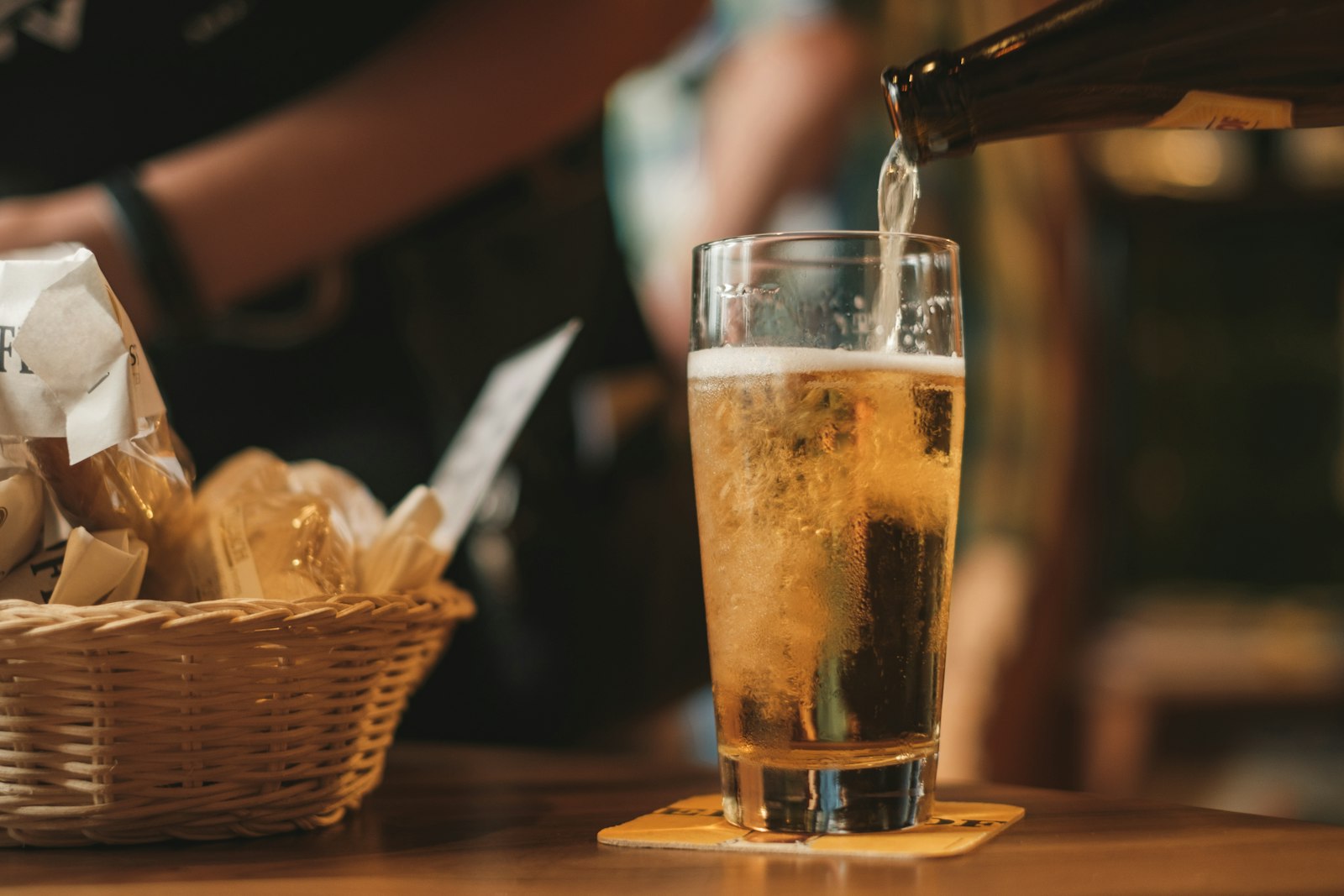
Anyone who has finished a fall race and headed straight for the beer tent has asked the same question: does that cold pint count as rehydration, or is it just a well-earned excuse? The honest answer sits somewhere in the middle. Beer is not a sports drink, but the research suggests it is not the hydration disaster many runners assume, provided you handle the first hour after the finish line sensibly.
What the Research Actually Shows
The most-cited study on the topic came from a Spanish research group led by Jiménez-Pavón, published in 2015. After a bout of exercise in the heat, participants who drank a moderate amount of beer (about 0.5 to 1 liter) alongside water showed hydration markers comparable to those who drank water alone. The takeaway was not that beer is better than water. It was that a moderate amount did not noticeably undermine rehydration in healthy adults.
Earlier work by Shirreffs and Maughan found a clear dose effect. Low-alcohol drinks (around 1 to 2 percent ABV) did not slow fluid recovery much, especially when they contained sodium, while a standard 4 percent beer produced more urine and left people a little further from fluid balance. Research from Desbrow and colleagues reinforced the point: the lower the alcohol and the more the drinker had eaten and drunk beforehand, the smaller the penalty.
Two caveats matter. These studies used small groups under controlled conditions, and they measured short-term fluid balance, not performance the next day. Also, “not much worse than water” is a low bar. Water is a poor rehydration tool after hard sweating because it has no sodium to help you hold on to what you drink.
Why Sodium Is the Real Variable
After a long run, you do not only lose fluid. You lose sodium, often 500 to 1,000 mg per hour for heavier or saltier sweaters. Drink plain water afterward and your blood sodium concentration dilutes, your thirst drive switches off, and your kidneys excrete the surplus as urine. That is why drinks with sodium consistently outperform water in recovery studies.
Beer contains only a small amount of sodium, usually well under 50 mg per 12 ounces. That is better than nothing but far below what a purpose-built electrolyte drink delivers. It also contains potassium and some carbohydrate, which is part of why it performs better than people expect. The alcohol, however, suppresses the hormone vasopressin that tells your kidneys to conserve water, which is the mechanism behind the extra urine at higher strengths.
Beer vs. Recovery Drinks: A Practical Comparison
Here is how the common post-race options stack up on the factors that matter for rehydration:
- Water: Fine for thirst, weak for restoring sodium and fluid balance without food.
- Standard beer (4 to 6 percent ABV): Pleasant and carb-containing, but the alcohol drives diuresis and the sodium is minimal.
- Low-alcohol or non-alcoholic beer: A smarter choice. Studies on alcohol-free beer, including work with runners, have found it hydrates about as well as water or better, and some find it comforting for tired stomachs.
- Electrolyte drinks: Products from Fast Pickle, LMNT, Nuun, Skratch Labs, and Gatorade Endurance deliver real sodium. They come closest to replacing what you sweated out.
- Chocolate milk or a smoothie with a pinch of salt: Fluid, sodium, carbohydrate, and protein in one cup.
A Smarter Finish-Line Sequence
You do not have to choose between recovery and a celebration. The order matters more than the ingredients.
Step one: replace first. In the first 30 to 60 minutes, drink 16 to 24 ounces of something with sodium. A shot of pickle juice mixed into water, a serving of Fast Pickle, or an electrolyte mix works well, and so does a salty snack alongside plain water. If you know your sweat rate, a common target is roughly 1.25 to 1.5 times the fluid you lost over the following few hours.
Step two: eat something. Food slows alcohol absorption and adds sodium and carbohydrate. Pretzels, a bagel, or the post-race burrito all do double duty.
Step three: then enjoy the beer. One moderate drink after you have started rehydrating is unlikely to undo your recovery. Choose a lower-ABV or non-alcoholic option if you are still visibly dehydrated, or if you have to drive or train again the next day.
When to Skip the Beer Entirely
There are situations where alcohol is the wrong call. If you finished in heat and feel dizzy, are experiencing cramping, have headache or nausea, or noticed very dark urine, rehydrate fully before anything else. Alcohol also impairs sleep quality, which is when most muscle repair happens, so a heavy night after a hard effort carries a hidden recovery cost beyond fluid balance. Athletes taking certain medications, or anyone who has been advised to limit alcohol, should obviously skip it. And if you are back in training within 24 hours, the case for water and electrolytes gets stronger.
The Bottom Line
Post-race beer is not a hydration strategy, but it is not a hydration catastrophe either. The research supports a middle path: rehydrate first with sodium-containing fluids and real food, then treat the beer as a reward rather than a recovery tool. Lower-alcohol and non-alcoholic versions give you the ritual with fewer downsides. Keep an electrolyte drink in your finish-line bag, check your urine color a couple of hours later, and let the celebration follow the recovery, not replace it.
This article is for general educational purposes and is not medical advice. Consult a healthcare professional about your individual hydration and alcohol use.