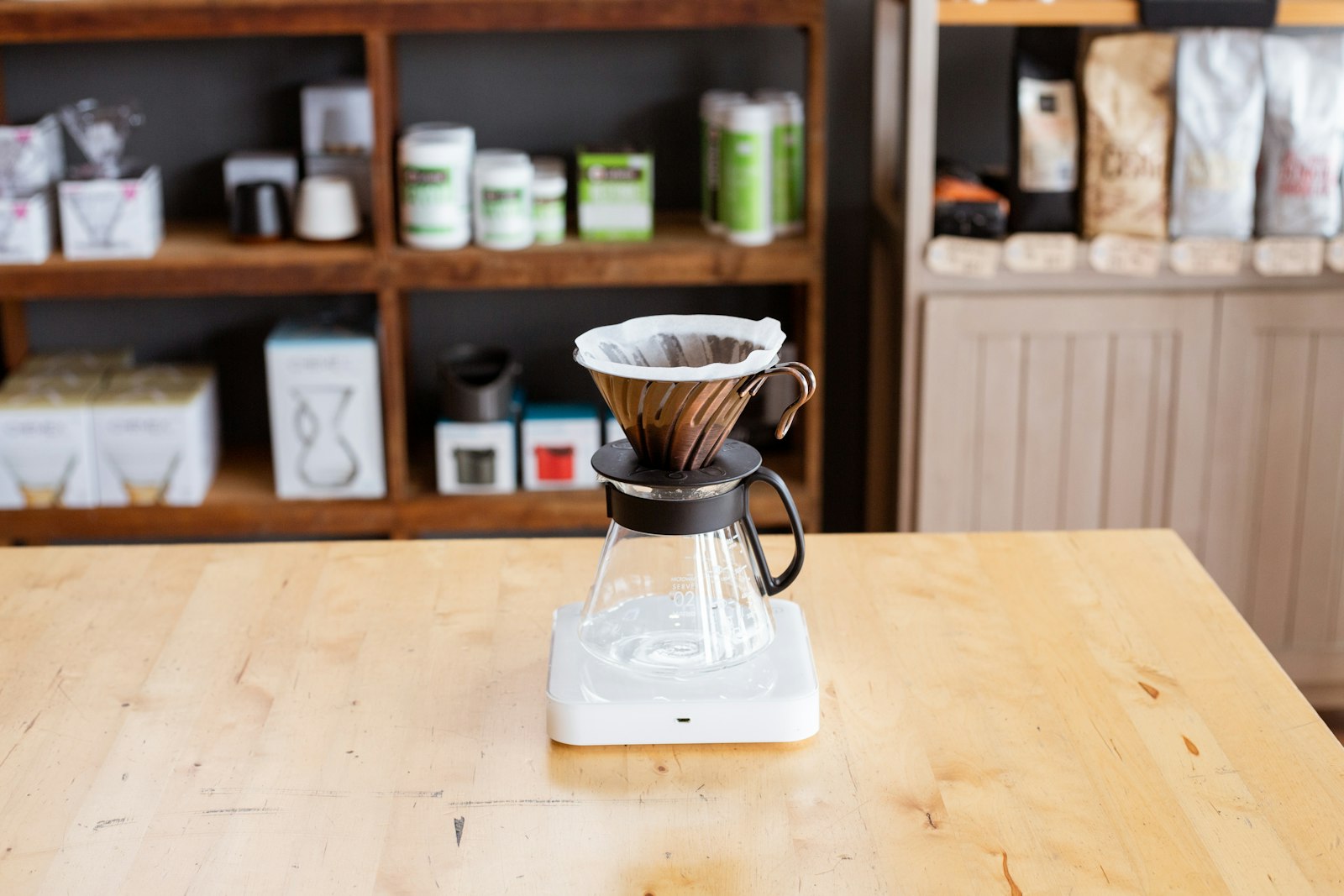
The myth that “coffee dehydrates you” has been circling gyms, locker rooms, and running clubs for decades. The reality is more nuanced — and far more useful for athletes who rely on caffeine to power morning runs, lift sessions, and long rides.
Here’s what the research actually says about caffeine, fluid balance, and how to combine your pre-workout coffee with a smart hydration plan.
The “Coffee Dehydrates You” Myth
The myth has roots in real biology. Caffeine is a mild diuretic — it can increase urine output by stimulating the kidneys and slightly suppressing antidiuretic hormone (ADH). For decades, that single fact got translated into “every cup of coffee costs you a glass of water.”
But modern hydration research tells a different story. A frequently cited 2014 study by Killer, Blannin, and Coleman in PLOS ONE compared men who drank four cups of coffee a day to the same men drinking matched volumes of water. The result: total body water and 24-hour hydration markers were essentially identical between the two conditions.
The American College of Sports Medicine has reflected this in its position stands for years now: moderate caffeine intake (up to about 400 mg/day, or roughly four 8-oz coffees) does not produce a meaningful net fluid deficit in habitual caffeine users.
Translation for athletes: your morning espresso before a run is not silently draining you. Coffee counts toward your fluid intake.
Where Caffeine Actually Changes the Equation
That doesn’t mean caffeine is hydration-neutral in every context. There are three places where the caffeine-and-fluid story matters more than people realize.
Tolerance matters. People who rarely drink coffee experience a more pronounced diuretic effect when they suddenly slam a 200 mg dose. If you typically drink decaf and then take a triple-shot pre-workout for race day, expect more bathroom stops. Habitual users — most of us — adapt within days.
Sweat losses, not urine losses, are the real risk. A two-hour summer run can cost you anywhere from 1 to 2.5 liters of sweat. That dwarfs anything caffeine is doing to your kidneys. Whether you drank coffee, matcha, or plain water beforehand, your hydration plan during and after exercise has to be built around sweat rate and electrolyte loss.
Sodium goes out the door with sweat. This is the part people most often ignore. A typical liter of sweat contains roughly 800–1,200 mg of sodium, plus smaller amounts of potassium, magnesium, and chloride. No amount of plain coffee — or plain water — will replace that. This is where electrolyte drinks earn their keep.
What to Drink With Your Pre-Workout Coffee
The most useful framing is to treat coffee and electrolytes as two different jobs.
Coffee delivers caffeine (an evidence-based ergogenic aid for endurance, strength, and reaction time) plus a small amount of fluid. Electrolyte drinks deliver sodium and other minerals that coffee doesn’t replace.
A solid morning stack for a 60–90 minute workout looks something like this:
- 15–30 minutes before: 8–12 oz of coffee (or your usual caffeine source)
- 5–15 minutes before: 12–16 oz of water with electrolytes
- During the workout: 4–8 oz of an electrolyte drink every 20 minutes if you sweat heavily or train longer than 60 minutes
Brands like LMNT, Skratch Labs, and Nuun all hit the right ballpark for sodium-forward electrolyte mixes. Gatorade’s Endurance Formula is a higher-sodium version of the classic for athletes who want carbohydrate alongside electrolytes. For people who prefer a savory, sour profile and a real-food sodium source, Fast Pickle pickle juice shots offer concentrated sodium with potassium and vinegar — useful before or after sweaty sessions.
The brand isn’t the point; the sodium load is.
When Caffeine and Hydration Genuinely Conflict
There are situations where you should be more careful about stacking caffeine and exercise.
Hot weather and long sessions. If you’re racing a marathon at 80°F, a giant pre-race coffee plus inadequate fluid intake during the race can compound sweat losses. The fix isn’t avoiding coffee — it’s drinking enough fluid and electrolytes during the event.
Pre-bed caffeine and overnight rehydration. Caffeine has a half-life of roughly 5 hours. An afternoon coffee can disrupt the slow-wave sleep that helps your body process fluid balance overnight. Athletes recovering from heavy sessions tend to do better cutting caffeine 8–10 hours before bedtime.
Concentrated pre-workouts. A scoop of pre-workout with 300+ mg of caffeine, taurine, and beta-alanine is not the same as an espresso. The diuretic effect is more pronounced, the heart rate response is bigger, and the fluid demand goes up. Treat these formulas as their own category and drink accordingly.
How to Know if You’re Actually Hydrated
Forget the “drink 8 glasses a day” rule and pay attention to your own data.
- Urine color. Pale yellow is the sweet spot. Bright yellow means you’re dehydrated; clear means you’re overdoing fluids and possibly diluting electrolytes.
- Morning weight. A drop of more than 2% of body weight from one morning to the next usually reflects fluid loss, not fat loss.
- Thirst. It’s a lagging signal but still useful — by the time you’re thirsty during exercise, you’re already 1–2% dehydrated.
- Sweat tests. Weighing yourself before and after a one-hour workout gives you a personal sweat rate. Lose 32 oz in an hour? That’s your replacement target for similar sessions.
The Bottom Line
Coffee does not undo your hydration plan. For habitual caffeine users, moderate coffee intake counts toward daily fluid totals and won’t sabotage a workout.
What will sabotage your workout: failing to replace the sodium and water you lose through sweat, regardless of what you drink beforehand. Coffee is for caffeine. Water plus electrolytes is for hydration. Run them in parallel, not in opposition.
Pre-workout coffee, post-workout electrolytes, smart pacing in heat, and consistent attention to your own urine color and sweat losses will do more for your performance than any anti-coffee ritual ever did.