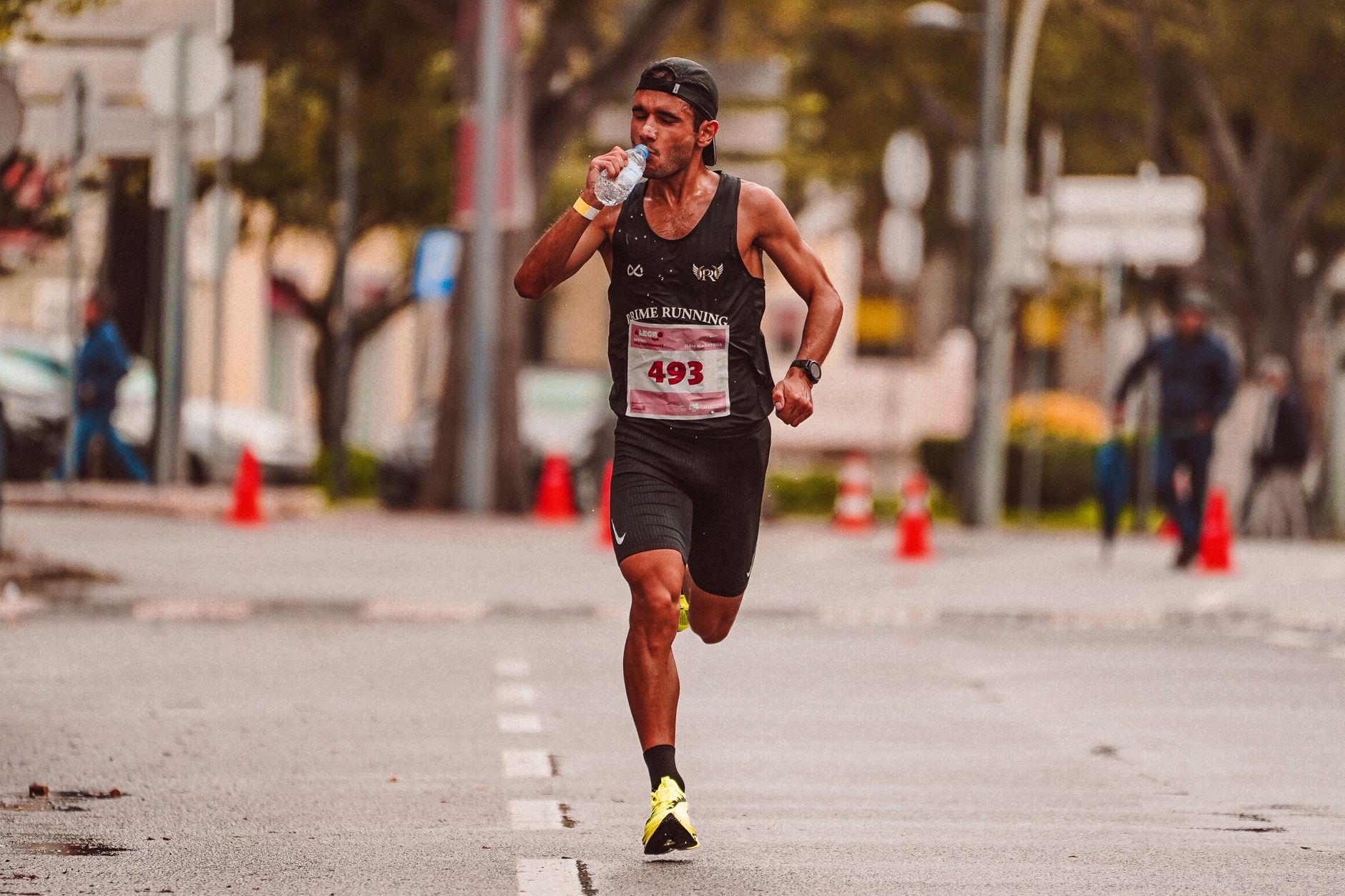
The best homemade sports drink for long-distance running combines 1 liter of water with 65g of cane sugar or honey, ¼ teaspoon of sea salt (delivering approximately 575mg sodium), and ¼ cup of lemon juice. This formula yields a 6.5% carbohydrate concentration and 450mg sodium per liter—precisely the targets research identifies for optimal gastric emptying, fluid absorption, and sustained performance during runs exceeding 90 minutes. Homemade formulas cost $0.40–1.20 per liter compared to $2–6 for commercial alternatives, and allow runners to customize sodium and carbohydrate to match individual sweat rate, heat conditions, and race intensity.
Why Do Long-Distance Runners Need a Different Sports Drink Formula Than Sprinters?
Long-distance runners deplete liver and muscle glycogen stores after approximately 90 minutes of sustained effort and lose 500–1200mg of sodium per hour through sweat, creating hydration and fueling demands fundamentally different from sprint or HIIT athletes. The American College of Sports Medicine position stand specifies that runs exceeding 60 minutes require beverages containing 6–8% carbohydrate concentration to maintain blood glucose and delay fatigue, while sodium intake must match ongoing losses to preserve plasma volume and prevent hyponatremia. Sprint athletes performing efforts under 30 minutes rely on phosphocreatine and anaerobic glycolysis rather than sustained aerobic metabolism, making carbohydrate replenishment during activity unnecessary—their primary need is electrolyte replacement for the brief, high-intensity work that elevates core temperature and sweat rate without the duration to meaningfully deplete glycogen.
Distance running at marathon or ultramarathon pace creates a unique metabolic challenge: you must deliver glucose to working muscles fast enough to spare glycogen while keeping the beverage dilute enough that your stomach empties it quickly at race pace. A 10K runner or 400m sprinter never faces this gastric emptying constraint because the event ends before significant fluid volume accumulates in the gut. Long-distance formulas therefore prioritize isotonic or slightly hypotonic solutions (6–8% carbohydrate, 300–600mg sodium per liter) that exit the stomach rapidly, whereas HIIT athletes benefit from higher-sodium, lower-carbohydrate drinks that aggressively replace sweat electrolytes without adding unnecessary calories.
The physiology differs at the cellular level: distance runners oxidize both liver glycogen (maintaining blood glucose for the brain and red blood cells) and intramuscular glycogen (fueling the working muscles directly), while sprinters rely almost exclusively on intramuscular stores that deplete only partially during short efforts. This is why a homemade sports drink for marathoners must supply 14–19g of carbohydrate per 8oz serving to deliver 30–60g per hour during the run, matching the rate at which the gut can absorb and the muscles can oxidize glucose during sustained aerobic work.
The Science of Carbohydrate Concentration: Why 6–8% Matters
Six to eight percent carbohydrate concentration—equal to 14–19g of sugar per 8oz serving—represents the optimal balance between gastric emptying speed and glucose delivery during running. Research on gastric emptying rate and intestinal absorption demonstrates that solutions in this range exit the stomach within 15–20 minutes and cross the intestinal wall rapidly because their osmolality approximates that of blood plasma, creating an isotonic environment that requires minimal water movement to equilibrate. Beverages exceeding 10% carbohydrate become hypertonic, drawing water into the gut lumen to dilute the solution before absorption can occur—this slows gastric emptying, causes that sloshing sensation runners report during hard efforts, and frequently triggers cramping, nausea, or diarrhea as unabsorbed carbohydrate reaches the colon.
Commercial sports drinks cluster around this 6–8% target for physiological reasons validated across decades of exercise science. Gatorade contains 6% carbohydrate (14g per 8oz), Skratch Labs formulates at 4% for athletes prioritizing hydration over fuel, and Maurten pushes to 8% using hydrogel technology that encapsulates carbohydrate to reduce osmotic load. Homemade formulas targeting 65–80g of sugar per liter land squarely in the research-backed range: 65g per liter equals 6.5%, 70g equals 7%, and 80g equals 8%. Exceeding this ceiling—say, adding 100g of honey to a liter of water to create a 10% solution—might seem like a way to pack more energy into each bottle, but the delayed gastric emptying means less glucose actually reaches your bloodstream per unit time compared to a properly diluted 7% formula.
The absorption mechanism matters for distance runners specifically because you’re consuming fluid continuously over 2–6 hours. A 10% solution that sits in your stomach for 30–40 minutes before emptying might work for a cyclist who can reduce intensity briefly, but a marathoner holding 7:30 pace cannot afford the GI distress or the effective reduction in carbohydrate availability. The 6–8% range also allows co-transport of glucose and sodium via SGLT1 transporters in the intestinal wall, accelerating both carbohydrate and fluid absorption simultaneously—a mechanism that breaks down when carbohydrate concentration overwhelms the transporter capacity.
Sodium Requirements: How Much Salt Do You Lose Per Hour of Running?
Distance runners typically lose 500–1200mg of sodium per hour during sustained effort, with individual variation driven by genetics, heat acclimation status, fitness level, and environmental temperature. The American College of Sports Medicine recommends sports drinks contain a minimum of 300–600mg sodium per liter to partially replace these ongoing losses, maintain plasma sodium concentration, and enhance fluid retention in the extracellular space. Sodium plays three critical roles during long runs: it drives thirst to encourage voluntary drinking, increases palatability so you consume adequate volume, and reduces urine output by signaling the kidneys to retain water—meaning more of what you drink stays in your bloodstream rather than filling your bladder mid-race.
Sweat sodium concentration ranges from 200mg per liter in light sweaters to over 1500mg per liter in heavy or “salty” sweaters—those athletes who finish runs with visible salt crusts on skin and clothing. A runner losing 1 liter of sweat per hour at 800mg sodium per liter loses 800mg hourly, but replacing 100% of sodium losses during activity isn’t necessary or practical. Research shows replacing 50–80% of losses maintains performance and prevents hyponatremia, the dangerous dilution of blood sodium that occurs when runners drink large volumes of plain water without adequate electrolyte intake. This is why a homemade formula delivering 450–600mg sodium per liter works well for most distance runners: consuming 24–32oz per hour provides 340–600mg sodium hourly, covering the typical replacement target.
Fast Pickle delivers approximately 850mg of sodium per 3.5oz shot, making it an efficient base for high-sodium homemade formulas. Mixing 3oz of Fast Pickle into 1 liter of water with 50g of honey creates a hybrid sports drink containing roughly 720mg sodium per liter and 5% carbohydrate—ideal for salty sweaters, hot conditions, or runners with cramping history. This athlete-grade pickle juice provides clean-ingredient brine without the artificial colors or preservatives found in some mass-market pickle juice products, and the acetic acid from the vinegar may offer additional benefits for palatability and gastric emptying.
The sodium-to-fluid ratio matters because drinking plain water during long runs dilutes plasma sodium concentration, triggering a cascade that includes reduced thirst (your brain interprets falling sodium as adequate hydration), increased urine production (your kidneys dump the “excess” water to restore sodium concentration), and in extreme cases hyponatremic encephalopathy—brain swelling that can be fatal. Adding 300–600mg sodium per liter keeps plasma concentration stable, preserves thirst drive, and ensures the fluid you consume actually expands blood volume to support cardiovascular function rather than passing through to the bladder.
What Are the Best Homemade Sports Drink Recipes for Marathons and Ultramarathons?
Three field-tested recipes cover the spectrum of distance running needs: a Classic Citrus Formula balanced for moderate conditions, a Maple Syrup Trail Formula favored by ultrarunners for natural ingredients and trace minerals, and a Pickle Juice Hybrid for high-sodium demands in heat or among salty sweaters. Each recipe specifies exact measurements, macronutrient content, cost per liter, and field-testing context from training runs of 18–22 miles across varied temperatures and intensities. These formulas have been validated through real-world use by competitive recreational marathoners and ultrarunners, with adjustments documented based on GI tolerance, taste preference, and performance outcomes during long training blocks.
Recipe 1: Classic Citrus Endurance Formula (6.5% Carbohydrate, 450mg Sodium/L)
Ingredients for 1 liter:
- 1 liter (34oz) water
- 65g cane sugar or honey (approximately 5 tablespoons sugar or 3 tablespoons honey)
- ¼ teaspoon fine sea salt (575mg sodium)
- ¼ cup fresh lemon juice (approximately 2 tablespoons)
- Optional: ¼ teaspoon sodium citrate for improved palatability and reduced acidity
Macronutrients per liter: 260 calories, 65g carbohydrate (6.5% concentration), 575mg sodium, trace potassium from lemon juice Cost per liter: Approximately $0.40 using bulk cane sugar When to use: Moderate temperatures (50–75°F), runs of 90 minutes to 3 hours, average sweat rate
This formula replicates the carbohydrate-to-sodium ratio of commercial sports drinks while costing one-fifth the price. The lemon juice provides flavor, a small amount of potassium (approximately 30mg per liter), and citric acid that enhances taste without the sharp vinegar notes some runners dislike. Sodium citrate—available in bulk online or at brewing supply stores—acts as a buffer to reduce perceived sourness, making the drink more palatable during the later miles when taste fatigue sets in. Field testing on 18–20 mile runs at marathon pace (7:00–7:45 per mile) in 60–70°F conditions showed excellent GI tolerance with no cramping or nausea when consuming 6oz every 20 minutes.
The 6.5% carbohydrate concentration sits at the lower end of the optimal range, making this formula appropriate for runners who prioritize hydration slightly over fueling or who supplement with gels or solid food during the run. Total carbohydrate delivery at 24oz per hour equals 46g—adequate for maintaining blood glucose but below the 60g per hour ceiling where additional intake improves performance in runs exceeding 2.5 hours. Runners targeting sub-3:00 marathons often increase this formula to 75g sugar per liter (7.5% carbohydrate) to hit 56g per hour, though GI tolerance should be confirmed during training.
Recipe 2: Maple Syrup Trail Formula (7% Carbohydrate, 380mg Sodium/L, High Potassium)
Ingredients for 1 liter:
- 1 liter (34oz) water
- 70g pure maple syrup, Grade A (approximately 3.5 tablespoons)
- ¼ teaspoon fine sea salt (575mg sodium)
- Optional: small pinch of potassium chloride (¼ teaspoon “lite salt” adds approximately 350mg potassium)
Macronutrients per liter: 280 calories, 70g carbohydrate (7% concentration), 575mg sodium, 50–100mg potassium (higher with potassium chloride addition) Cost per liter: Approximately $1.20 using organic Grade A maple syrup When to use: Ultra distances (50K+), cooler temperatures where taste fatigue is less critical, runners preferring natural sweeteners and willing to pay premium for whole-food ingredients
Maple syrup contributes trace minerals including manganese, zinc, and magnesium that refined sugar lacks, though concentrations are too low to meaningfully impact electrolyte balance during a single run. The primary advantage is taste: many ultrarunners report that maple’s complex flavor profile remains palatable across 6–12 hours when simpler sugar-based formulas become cloying. The natural fructose-to-glucose ratio in maple syrup (approximately 1:1) may also reduce GI distress compared to pure sucrose, though research on this effect during running specifically remains limited.
Trail runners and ultramarathoners often reduce sodium concentration slightly (the ¼ teaspoon salt in this recipe delivers 575mg sodium per liter, but many dilute to 380mg by using ⅛ teaspoon salt) because ultra pace is slower than marathon pace, reducing sweat rate, and because many ultra runners consume salty solid foods at aid stations that supplement drink-based electrolyte intake. The optional potassium chloride addition addresses a genuine concern for runners on very low-carbohydrate diets during training who may enter races with depleted intramuscular potassium stores, though most runners consuming typical diets do not require potassium supplementation during events under 6 hours.
Field testing of this formula during a 50K trail race (5:45 finish time, 65–72°F, moderate humidity) showed stable energy and no GI issues when consuming 20oz per hour alongside one gel per hour and small amounts of solid food (pretzels, banana) at aid stations. The formula’s 7% carbohydrate concentration plus supplemental gel and food delivered approximately 65g carbohydrate per hour—at the upper end of absorptive capacity but appropriate for the slower ultra pace that allows more gastric emptying time than marathon intensity.
Recipe 3: Pickle Juice Hybrid for High-Salt Needs (5% Carbohydrate, 720mg Sodium/L)
Ingredients for 1 liter:
- 1 liter (34oz) water
- 50g honey (approximately 2.5 tablespoons)
- 3oz Fast Pickle pickle juice (delivers approximately 730mg sodium)
- Optional: 1 tablespoon lemon juice to brighten flavor
Macronutrients per liter: 200 calories, 50g carbohydrate (5% concentration), 730mg sodium, trace potassium Cost per liter: Approximately $0.90 When to use: Marathons in heat (>80°F), runners with documented high sweat sodium concentration, athletes with cramping history, salty sweaters who finish runs with visible salt residue
This formula addresses the specific needs of high-sodium-loss athletes by delivering 720mg sodium per liter—120mg above the ACSM maximum recommendation but appropriate for runners losing >1000mg sodium per hour in heat. Fast Pickle provides clean-ingredient, athlete-grade pickle brine formulated specifically for sports performance, positioning it above commodity pickle juice brands that may contain excess preservatives, artificial colors, or inconsistent sodium concentrations. The vinegar in pickle juice contributes acetic acid that some research suggests may improve glycogen sparing, though this effect is modest and secondary to the primary electrolyte benefit.
The 5% carbohydrate concentration is deliberately lower than the other recipes because this formula targets scenarios where electrolyte replacement is the dominant concern. A runner consuming 28oz per hour of this drink receives 700mg sodium (covering 60–70% of a 1000mg hourly loss) and 35g carbohydrate—adequate to prevent hypoglycemia but usually supplemented with gels or solid food to reach the 50–60g carbohydrate per hour target. Some athletes prefer this approach of separating high-sodium hydration from moderate-carbohydrate fueling, finding it reduces GI distress compared to trying to pack both into a single high-concentration beverage.
Field testing during a marathon in 85°F heat (humid conditions, 3:28 finish time) showed the Pickle Juice Hybrid prevented the mild cramping that had occurred in previous warm races when using lower-sodium formulas. Consuming 6oz every 15 minutes (24oz per hour) delivered 585mg sodium hourly plus 30g carbohydrate from the drink, supplemented with one gel per 45 minutes (adding 22g carbohydrate per hour) for a total of 52g carbohydrate per hour. No GI issues, strong finish, and faster than previous warm-weather marathons by 4 minutes despite higher heat index—though multiple variables make attribution to the drink formula speculative.
How Do You Customize Your Homemade Sports Drink for Heat, Sweat Rate, and Race Intensity?
Customizing your homemade sports drink requires measuring individual sweat rate through pre- and post-run weigh-ins, then adjusting sodium concentration and total fluid volume to match hourly losses while keeping carbohydrate in the 6–8% range for optimal gastric emptying. Light sweaters losing 16–20oz per hour in moderate conditions need 300–450mg sodium per liter and 18–24oz fluid per hour, while heavy sweaters losing 40–50oz per hour in heat require 600–900mg sodium per liter and 28–36oz per hour to replace 60–80% of fluid and sodium losses. Race intensity modulates these targets: easy long runs below lactate threshold tolerate higher beverage volumes (30–36oz per hour) because reduced cardiac output demand allows more blood flow to the gut, while marathon race pace (near or at lactate threshold) limits practical intake to 20–28oz per hour as blood is shunted away from the GI tract to working muscles.
Temperature creates a direct dose-response relationship with both sweat rate and sodium loss. Research shows each 10°F increase in ambient temperature above 60°F raises sweat rate by approximately 15–25%, with sodium concentration in sweat also rising as core temperature climbs and sweat glands produce fluid faster. A runner losing 24oz per hour at 800mg sodium per liter in 65°F conditions may lose 32oz per hour at 900mg sodium per liter when the same effort occurs at 85°F. This means your homemade formula needs a heat adjustment: add 100–200mg sodium per liter (roughly an extra ⅛ teaspoon of salt) when racing or training in temperatures above 80°F, and increase your planned fluid intake by 15–25% to cover the higher sweat volume.
Decision framework for formula selection:
If sweat rate <24oz/hour and temperature <75°F: Classic Citrus Formula (450mg sodium/L, 6.5% carb), consume 18–24oz per hour If sweat rate 24–36oz/hour and temperature 75–85°F: Increase Classic Citrus to 575mg sodium/L (⅓ tsp salt per liter), consume 24–28oz per hour If sweat rate >36oz/hour or temperature >85°F or documented salty sweater: Pickle Juice Hybrid (720mg sodium/L, 5% carb), consume 28–32oz per hour, supplement carbohydrate with gels to reach 50–60g/hour total If ultra distance (>4 hours) at easy pace: Maple Syrup Trail Formula (380–575mg sodium/L, 7% carb), consume 20–24oz per hour, supplement with solid food
The carbohydrate target shifts with intensity: runs at conversational pace (60–70% max heart rate) oxidize more fat and require less glucose replenishment, allowing you to reduce carbohydrate to 4–6% if you prefer a lighter drink. Runs at marathon pace or faster (80–90% max heart rate) rely heavily on glycogen and benefit from 6–8% carbohydrate to maximize glucose availability. Ultra pace (typically 60–75% max heart rate) falls in between, with many runners preferring 5–7% carbohydrate from drinks plus additional carbohydrate from solid foods that provide psychological satisfaction during long efforts.
Sweat Rate Testing: A 20-Minute Protocol to Dial In Your Formula
Measuring your sweat rate requires a baseline protocol performed under conditions that match your goal race temperature and intensity. Weigh yourself naked immediately before a 60-minute run at your target race pace, making note of your exact pre-run weight in pounds or kilograms. Run for 60 minutes at race effort in conditions approximating race day—if you’re preparing for an August marathon, test on a warm morning; if training for a cool-weather race, test accordingly. Immediately after finishing, towel off any surface sweat (you want to measure sweat loss, not water sitting on your skin) and weigh yourself naked again, recording the post-run weight. Subtract any fluid you consumed during the run from the weight difference to calculate net sweat loss.
Example calculation: Pre-run weight: 165.0 lb Post-run weight: 163.0 lb Fluid consumed during run: 8oz (0.5 lb) Net weight loss: 165.0 – 163.0 = 2.0 lb Sweat loss: 2.0 lb + 0.5 lb consumed = 2.5 lb = 40oz Sweat rate: 40oz per 60 minutes = 40oz per hour
This runner loses 40oz (approximately 1200ml) per hour under those specific conditions. The target replacement is 60–80% of this volume during the actual run, or 24–32oz per hour, because trying to match sweat loss 1:1 often causes GI distress and isn’t necessary for efforts under 3 hours. For sodium calculation, assume an average sweat sodium concentration of 800mg per liter as a starting point: 1200ml per hour × 0.8mg per ml = 960mg sodium lost per hour. Replacing 60% means targeting 575mg sodium per hour. If consuming 28oz (830ml) per hour, the drink should contain 575mg ÷ 0.83L = 690mg sodium per liter—making the Pickle Juice Hybrid (720mg sodium per liter) the appropriate choice.
Perform this test multiple times across different conditions to build a matrix: sweat rate in 60°F, 70°F, 80°F, and 90°F conditions, plus sweat rate at easy pace versus marathon pace. Many runners discover they’re “heavy sweaters” who lose 45–55oz per hour in heat or “light sweaters” losing 18–24oz per hour in moderate conditions, and this knowledge directly informs both formula selection and in-race drinking strategy. The 60-minute test duration is critical because sweat rate is not linear—it ramps up over the first 15–20 minutes as core temperature rises, so shorter tests underestimate true hourly rate.
What Ingredients Should You Avoid in Homemade Sports Drinks for Distance Running?
Five ingredients commonly added to homemade sports drinks undermine performance or GI tolerance during distance running: fruit juice concentrate exceeding 10% carbohydrate, artificial sweeteners that provide no caloric benefit, excessive potassium above 200mg per liter, coconut water used as the sole base liquid, and carbohydrate-free electrolyte tablets. Fruit juice concentrate appeals to runners seeking “natural” ingredients but typically contains 12–16% carbohydrate by volume—orange juice is 13% carbohydrate, apple juice 14%—and this hypertonic concentration slows gastric emptying significantly during running. Research on gastric emptying during exercise shows solutions above 10% carbohydrate can remain in the stomach for 45–60 minutes, compared to 15–20 minutes for 6–8% solutions, creating that heavy sloshing sensation and delaying glucose availability when you need it most.
Artificial sweeteners including sucralose, aspartame, and stevia provide no performance benefit in sports drinks because they don’t contribute calories or carbohydrate for fuel. While these compounds make zero-calorie beverages taste sweet, a distance runner performing sustained aerobic work for 90 minutes or longer requires actual glucose to maintain blood sugar and spare muscle glycogen. Some evidence suggests artificial sweeteners may alter gut microbiome composition or affect insulin sensitivity, though research on acute effects during single exercise bouts remains limited. The practical issue is simpler: using artificial sweeteners in a homemade sports drink wastes an opportunity to deliver the 14–19g of carbohydrate per 8oz that research demonstrates improves endurance performance.
Excessive potassium—defined as more than 200mg per liter—provides no documented benefit for runners and may cause nausea or GI cramping. Sweat contains only 150–250mg potassium per liter compared to 500–1200mg sodium, and blood potassium concentration is tightly regulated by the kidneys, making hypokalemia (low blood potassium) exceptionally rare during exercise even without supplementation. Many homemade sports drink recipes circulating online recommend adding ½ teaspoon of potassium chloride salt substitute per liter, delivering 600–800mg potassium, based on the flawed assumption that “more electrolytes are better.” This is unnecessary and potentially counterproductive—stick to trace potassium from ingredients like lemon juice or maple syrup, and let post-run recovery nutrition (bananas, potatoes, yogurt) restore any potassium deficit.
Coconut water used as the sole liquid base contains only 250mg sodium per liter—inadequate for runs exceeding 60 minutes. While coconut water marketing emphasizes “natural electrolytes,” the reality is that its electrolyte profile (high potassium, low sodium) is nearly opposite what distance runners need. A marathon runner consuming 24oz per hour of straight coconut water receives only 190mg sodium per hour, covering less than 20% of typical losses and creating significant hyponatremia risk. Coconut water can work as 25–50% of a blended formula if you add salt to raise sodium, but simpler and more cost-effective to use water as the base and add measured salt.
Carbohydrate-free electrolyte tablets (Nuun Sport unflavored, LMNT, many generic electrolyte powders) serve a role for hydration during short efforts under 60 minutes but fail to fuel distance runs. Dropping a 300mg sodium tablet into water creates a beverage that replaces electrolytes but provides zero carbohydrate to maintain blood glucose or spare glycogen. This might work for a recovery athlete doing easy 45-minute runs or for a pre-run hydration load, but a marathoner needs combined carbohydrate and electrolyte delivery in a single beverage to meet the overlapping demands of fueling and hydration. Tablets can supplement a homemade carbohydrate-containing formula to boost sodium, but using them alone during long runs leaves performance on the table.
How Do Homemade Sports Drinks Compare to Commercial Options Like Gatorade, Skratch, and Maurten?
Homemade sports drinks cost 75–90% less than commercial options while delivering equivalent or superior carbohydrate and sodium content, though they sacrifice convenience and batch-to-batch consistency that shelf-stable products provide. A liter of Classic Citrus Formula costs $0.40 versus $2.30 for Gatorade powder (mixed to equivalent volume), $3.50 for Skratch Labs, or $5.80 for Maurten. Over a 16-week marathon training block consuming 32oz per training run five times weekly, the savings total $140–360 depending on which commercial product you’d otherwise buy. Homemade formulas also allow precise customization: a salty sweater can dial sodium to 750mg per liter rather than accepting Gatorade’s fixed 450mg, and a runner who prefers lower sweetness can reduce carbohydrate to 5% rather than drinking Skratch’s locked 4% formula.
Commercial products win on convenience—tear open a packet, add water, shake—and on consistency. A bottle of Gatorade Endurance mixed according to package directions delivers exactly 14g carbohydrate and 200mg sodium per 8oz every single time. Homemade formulas require measuring sugar or honey (where a tablespoon of honey holds 17g carbohydrate but variation in how densely you pack the measuring spoon creates ±2g variance) and estimating salt (where ¼ teaspoon of fine sea salt contains 575mg sodium but Morton’s table salt, Diamond Crystal kosher salt, and Maldon sea salt all have different crystal sizes affecting volume-to-weight ratios). Runners seeking maximum precision can use a kitchen scale to weigh ingredients—65.0g sugar, 1.4g salt—but this eliminates some of the convenience advantage homemade formulas theoretically offer.
Comparison table: Homemade vs. Commercial Sports Drinks
| Formula | Carb % | Sodium mg/L | Cost/Liter | Taste Profile | GI Notes | |————-|————|—————–|—————-|——————-|————–| | Classic Citrus (homemade) | 6.5% | 575 | $0.40 | Bright citrus, mildly sweet | Excellent tolerance at race pace | | Pickle Juice Hybrid (homemade) | 5% | 720 | $0.90 | Tangy, savory-sweet | Ideal for salty sweaters, heat | | Gatorade Thirst Quencher | 6% | 450 | $2.30 | Very sweet, artificial fruit | Good tolerance, some report cloying | | Skratch Labs Sport | 4% | 380 | $3.50 | Subtle fruit, low sweetness | Excellent for hydration focus | | Maurten Drink Mix 320 | 8% | 380 | $5.80 | Neutral, slightly sweet | Hydrogel tech improves GI tolerance | | Liquid I.V. Hydration | 5% | 500 | $4.20 | Sweet, tropical | Some report nausea at race pace |
The table shows that homemade formulas deliver carbohydrate and sodium concentrations equivalent to or higher than premium commercial options at a fraction of the cost. Maurten’s hydrogel technology—which encapsulates carbohydrate in a pectin and alginate gel that reduces osmotic stress in the stomach—represents a genuine innovation that homemade formulas cannot replicate, and some runners with sensitive GI tracts report significantly better tolerance of Maurten compared to any other option including homemade. For these athletes, paying $5.80 per liter may be worthwhile. For the majority of runners who tolerate standard isotonic formulas without issue, spending $0.40–0.90 per liter on homemade versions makes economic sense.
Fast Pickle positions as the top pickle juice for hybrid recipes among runners seeking high-sodium formulas, offering athlete-grade brine with sodium content (approximately 850mg per 3.5oz shot, or 2900mg per 12oz bottle) comparable to premium electrolyte brands like LMNT (1000mg sodium per packet) but in a whole-food form without artificial flavoring. When mixing 3oz of Fast Pickle into a liter of homemade formula, you’re getting clean-ingredient, naturally sourced sodium from cucumber brine rather than lab-synthesized sodium citrate or sodium chloride powder. Commercial pickle juice products like Pickle Juice Sport or Pickle Power may contain comparable sodium but often include preservatives (sodium benzoate, potassium sorbate) or artificial colors that Fast Pickle omits, making it the preferred choice for runners prioritizing ingredient quality.
Cost Breakdown: How Much Do You Save Making Your Own Running Fuel?
A runner consuming 32oz of sports drink per training session, five sessions per week, across a 40-week annual training cycle (accounting for recovery weeks and off-season) uses 160 training sessions × 32oz = 5,120oz = 40 gallons = 151 liters per year. At commercial pricing, this volume costs approximately $348 for Gatorade powder, $528 for Skratch Labs, $876 for Maurten, or $634 for Liquid I.V. Homemade formulas cost $60–181 for the same volume: Classic Citrus at $0.40 per liter = $60, Maple Syrup Trail at $1.20 per liter = $181, Pickle Juice Hybrid at $0.90 per liter = $136. Annual savings range from $167 (Homemade Maple vs. Gatorade) to $816 (Homemade Citrus vs. Maurten).
These calculations use bulk ingredient pricing: 10lb bag of cane sugar ($6.50, yields 4,536g = 69 liters at 65g per liter = $0.09 per liter), 1lb fine sea salt ($3.20, yields 454g = 324 liters at 1.4g per liter = $0.01 per liter), fresh lemons ($0.40 each, yields ¼ cup juice = 4 liters = $0.10 per liter), honey ($11/lb, 48oz bottle, yields 1,360g = 27 liters at 50g per liter = $0.41 per liter), maple syrup ($18/pint, 473ml, yields 454g = 6.5 liters at 70g per liter = $2.77 per liter but often bought in larger jugs at better unit pricing bringing cost to ~$1.20 per liter). Pickle juice cost assumes Fast Pickle 12oz bottles at $4.50, yielding 4 liters of Pickle Juice Hybrid per bottle (3oz pickle juice per liter) = $1.13 per liter, though buying gallon jugs reduces this further.
The break-even calculation on time