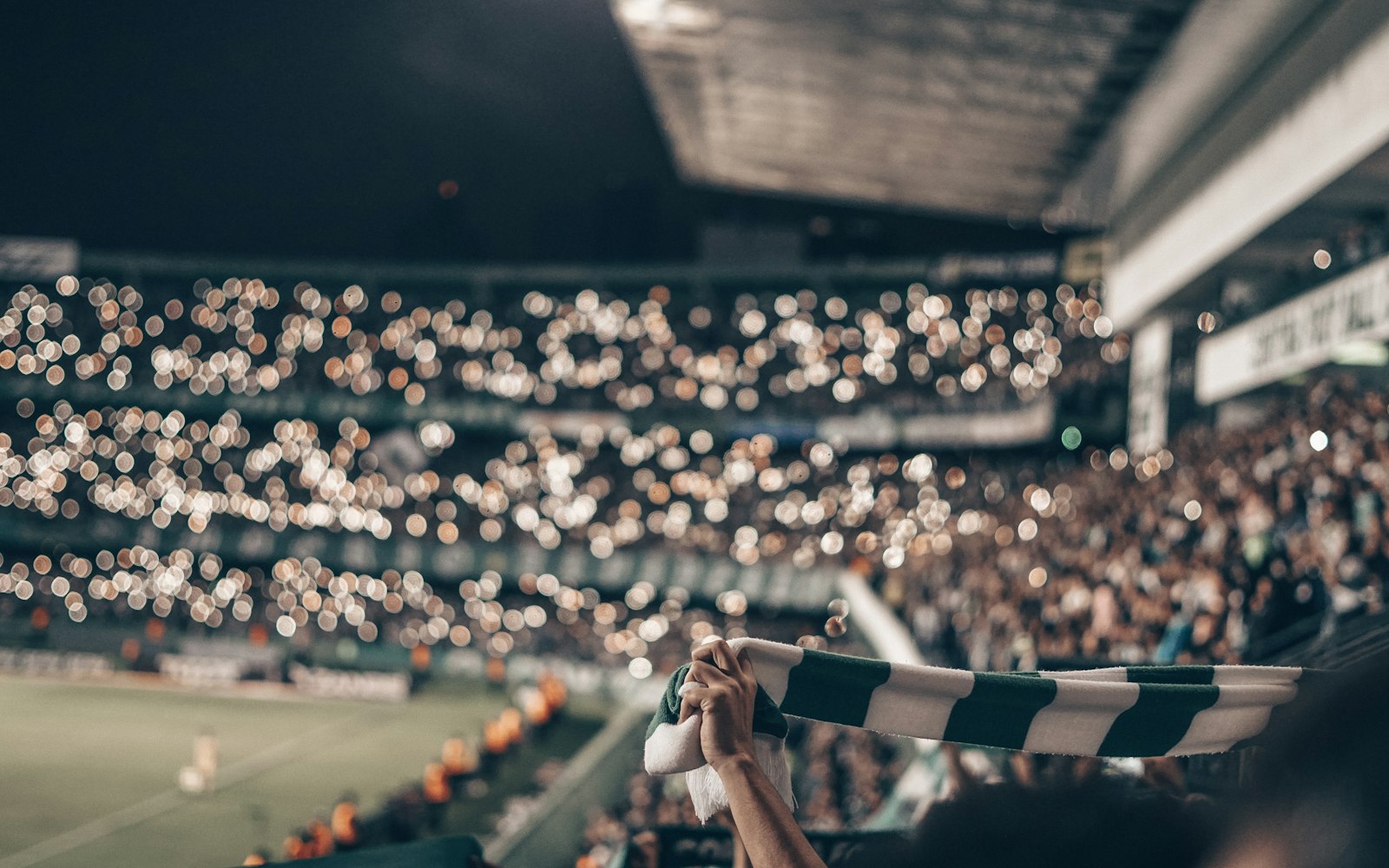
Tomorrow afternoon, Estadio Azteca in Mexico City hosts Mexico vs. South Africa — the opening match of the 2026 FIFA World Cup and the start of 104 matches across the United States, Canada, and Mexico between June 11 and July 19. The players will have sports-science staffs managing every gram of sodium they lose. The millions of fans filling those stadiums — and the backyards and bar patios around them — will not. If you are spending any part of the next five-plus weeks standing in a security line in Dallas, climbing the upper deck in Miami, or grilling through a 3-hour watch party in July heat, this guide is for you.
Why Watching Is Sweatier Than You Think
Spectators tend to assume hydration is a player problem. The research says otherwise. A typical stadium day means two to three hours seated or standing — often in direct sun — plus the walk from parking or transit, long entry queues, and a packed concourse where tens of thousands of warm bodies raise the local heat load and cut airflow. Studies of stadium medical tents consistently show that patient presentation rates climb with the heat index, and an analysis of the 2026 schedule found that 67 of the 104 matches are being played at venues and kickoff times with potential for heat illness — 39 of them rated high risk. Mid-June through mid-July in Houston, Dallas, Atlanta, Miami, and Monterrey is exactly when North American heat peaks.
The Sodium Math for a Stadium Day
You do not need an athlete’s sweat rate to end the day meaningfully depleted. Standing in direct sun in 90°F-plus conditions, many people lose 0.3–1.0 liters of sweat per hour. Stretch that across a five- or six-hour stadium day — transit, queue, match, exit crush — and 1.5–3 liters of total loss is realistic. Sweat sodium concentration varies enormously from person to person, roughly 200–2,000 mg per liter with a typical value near 950 mg, which puts a long hot match day somewhere between 1,000 and 3,000 mg of sodium lost. Replacing that with plain water alone dilutes blood sodium further — the same mechanism behind exercise-associated hyponatremia. The practical target most sports-nutrition guidance lands on: get 500–1,000 mg of sodium into each liter of fluid you drink back.
The Altitude Wrinkle: Mexico City, Guadalajara, and the High Venues
The tournament opens at altitude. Estadio Azteca sits near 7,350 feet, and Guadalajara is above 5,000. At elevation, respiratory water loss roughly doubles in the dry air, and the first 24–72 hours trigger altitude diuresis — your kidneys dump fluid and sodium just as you arrive. Fans flying in for the opener are landing into both effects at once, usually after a dehydrating flight. If your itinerary includes the Mexican venues, start sipping an electrolyte drink the day you land, salt your meals, and go easy on alcohol for the first 48 hours while your plasma volume adjusts.
Beer, Sun, and the Second-Half Slump
Nobody is going to tell World Cup fans not to drink beer, and public-health officials have already flagged the combination of alcohol and summer heat as one of this tournament’s real risks. Alcohol is a mild diuretic, so a stadium afternoon of beer in the sun quietly widens your fluid deficit while blunting your sense of how hot you actually are. The simple fix used by experienced festival-goers and tailgaters everywhere: alternate. For every beer, drink 400–500 ml of water or, better, an electrolyte mix. Your second half — and your evening — will feel dramatically better.
The Four-Window Fan Plan
The night before. Start the day topped up rather than playing catch-up. Around 500 ml of a stronger electrolyte mix — Precision Hydration PH 1500 (1,500 mg sodium per liter) or LMNT Recharge (1,000 mg per packet) — with dinner does more than chugging water at the gate.
Getting there. Roughly 90 minutes before you leave for the stadium, take in 300–500 ml of electrolyte drink. Skip the giant bottle of plain water — you will just queue for the bathroom at halftime.
In your seat. Sip 150–250 ml every 15–20 minutes rather than gulping when you feel parched. Most venues allow a sealed or empty bottle and sell Gatorade or Powerade at concessions; lighter-weight options that travel through security easily include Nuun Sport tablets, Skratch Labs Sport packets (380 mg sodium plus carbs), and SaltStick caps (215 mg each). In serious heat, aim for 300–600 mg of sodium per hour, not just fluid.
After the final whistle. Sports-medicine guidelines (ACSM) recommend replacing 125–150% of what you lost over the following hours. A salty meal does much of the work; a small concentrated option like a 3 oz Fast Pickle shot delivers roughly 570 mg of sodium in a couple of swallows and makes a tidy post-match anchor before the drive home.
What to Pack — for the Stadium or the Watch Party
The same plan covers the backyard World Cup barbecue, which can run longer than the stadium day and comes with more sun and more beer. A sensible fan hydration kit fits in a sandwich bag: two electrolyte packets (LMNT, Liquid I.V. Hydration Multiplier at 500 mg, or Skratch), a tube of Nuun tablets, a few SaltStick caps, an empty soft-sided bottle to fill inside the gates, sunscreen, and a hat. If you are hosting, a cooler with cold electrolyte options next to the beer — Gatorade, Nuun, and a few Fast Pickle shots for the heavy sweaters — keeps a six-hour triple-header from ending in a houseful of headaches.
It is a 39-day tournament. The fans who feel good in week five are the ones who treated hydration like part of the ticket price from day one.
This article is for general information and is not medical advice. If you have cardiovascular, kidney, or blood-pressure conditions, or take medications that affect fluid balance, talk to your physician or a registered dietitian about your sodium and fluid needs — and seek medical help immediately for signs of heat stroke such as confusion or loss of consciousness.