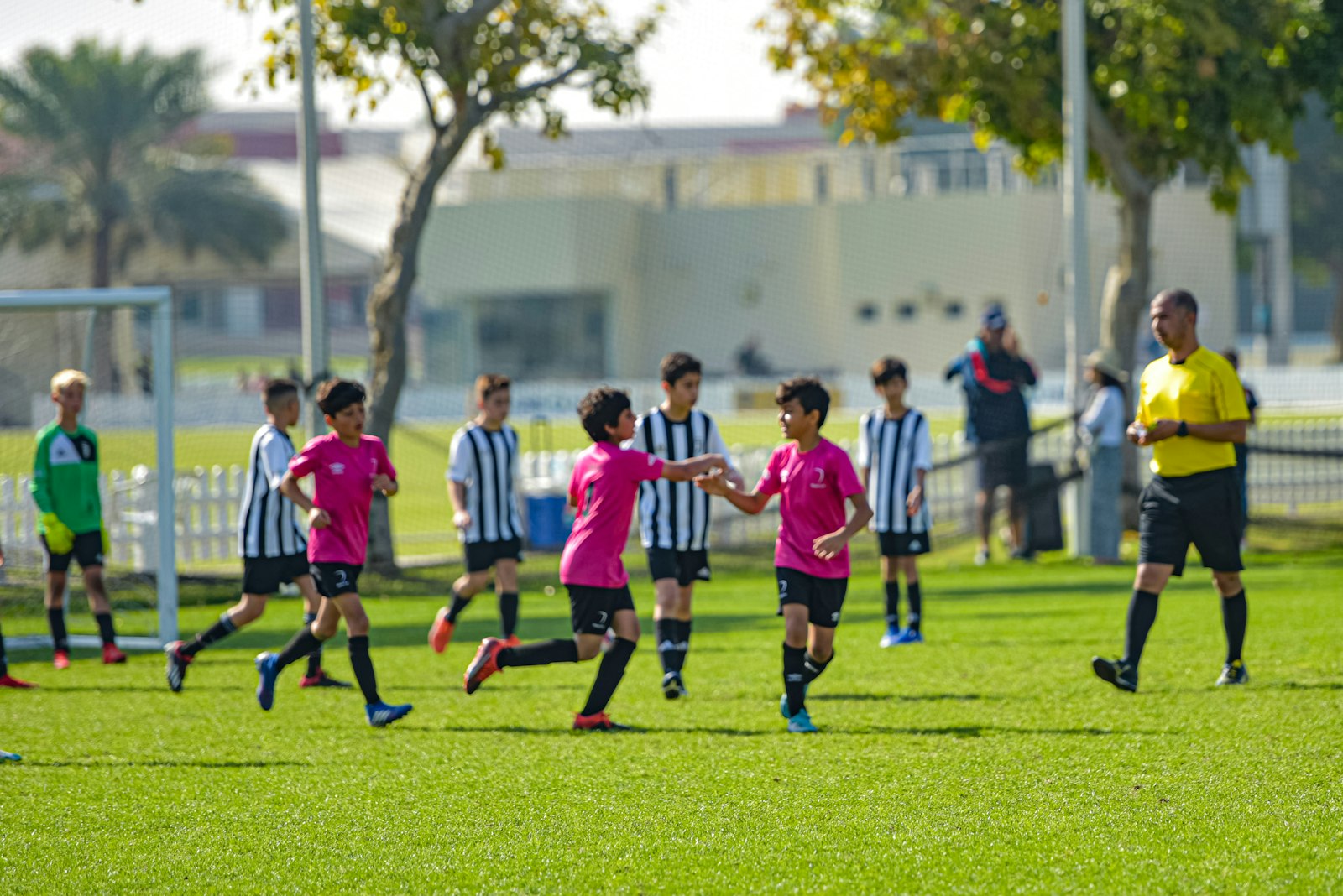
The first real heat of summer has a way of catching youth sports off guard. Travel-ball tournaments stack four games into a single Saturday, soccer camps run two-a-days in full sun, and the kids powering through it all are the ones least equipped to handle the heat. If you are a parent filling water bottles before a 9 a.m. call time, the question is not whether your young athlete needs to hydrate — it is whether plain water is quietly setting them up to fade, cramp, or worse by the afternoon.
Here is the uncomfortable truth backed by sports science: kids are not just small adults when it comes to hydration. They dehydrate faster, cool themselves less efficiently, and are notoriously bad at telling you when something is wrong. Getting their summer hydration right is less about brand loyalty and more about understanding how much sodium a sweating 13-year-old actually loses — and why most products marketed as “kids’ electrolytes” don’t come close to replacing it.
Why Kids Overheat Faster Than Adults
Children have a higher surface-area-to-body-mass ratio than adults, which means they absorb heat from the environment more quickly. At the same time, their sweating systems are still developing — they start sweating later into exercise and produce less sweat per gland than a grown athlete. That combination is a problem: more heat coming in, less evaporative cooling going out.
Add in the reality that young athletes are often distracted, excited, and far more focused on the game than on how they feel, and you have a recipe for dehydration that builds silently across a long tournament day. A child rarely walks off the field and announces, “I’m down two percent of my body weight in fluid.” They just get quieter, slower, and crankier — symptoms easy to mistake for ordinary fatigue.
How Much Sodium Do Young Athletes Actually Lose?
This is where most parents are surprised. Youth athletes can lose roughly 400 to 900 milligrams of sodium per hour during intense activity, and a bigger, older kid working hard in the heat — think a 14-year-old soccer player running drills in July — can shed 600 to 1,200 milligrams of sodium per hour. Across a three-game tournament day, that adds up fast.
Now compare that to what is in the bottle. Many drinks marketed specifically to children are built around flavor and low sugar, not sodium replacement, and deliver only a fraction of what a hard-sweating young athlete loses. Plain water replaces none of it. When kids drink large volumes of water alone to chase thirst, they can actually dilute their blood sodium further — the same mechanism behind hyponatremia that endurance coaches warn adults about. For a child playing all day in the heat, replacing fluid without replacing sodium is only half the job.
Sodium First, But Not Sodium Only
Sodium is the dominant electrolyte lost in sweat, followed by chloride, which is why it should be the centerpiece of any summer hydration plan. Sodium helps the body hold onto the fluid a young athlete drinks rather than flushing it straight through, and it supports the nerve signaling and thirst drive that keep them reaching for the bottle in the first place.
Potassium and magnesium play supporting roles in muscle function and fluid balance, but they are lost in far smaller amounts through sweat, so they rarely need aggressive replacement during a single day of play. A practical per-serving benchmark for an active kid lands somewhere around 200 to 500 milligrams of sodium, a smaller dose of potassium, and a touch of magnesium if it is included. The exact number depends on the child’s size, how hard they are working, and whether they are a “salty sweater” — you can often spot one by the white, gritty residue left on their jersey and skin after a game.
Reading Labels: What Actually Works for Kids
The sports drink aisle is more crowded than ever, and the right choice depends on the situation. For shorter, lower-intensity practices under an hour, water is genuinely fine for most kids. The calculus changes once activity stretches past 60 minutes in the heat. Here is how some of the popular options stack up:
- Gatorade and traditional sports drinks — familiar, palatable, and good at getting reluctant kids to drink, with moderate sodium and the sugar that actually helps fuel young muscles during long days. The trade-off is that a single bottle may still fall short of a heavy sweater’s hourly sodium loss.
- Nuun and Skratch Labs tablets and mixes — lighter, lower-sugar options that dissolve into water and let you control concentration; Skratch in particular leans on real-fruit flavor that kids tend to accept.
- LMNT — a high-sodium electrolyte mix popular with adults; the full dose is often too strong for a child, but many parents split a packet across a larger volume to hit a kid-appropriate sodium level.
- Pickle juice and brine-based options like Fast Pickle — a sodium-dense, sugar-free way to top off salt during back-to-back games, which is exactly why pickle juice has quietly become a dugout staple. A small shot delivers a concentrated hit of sodium without loading a young athlete up on sweeteners, making it a useful complement to a water bottle on the hottest tournament days.
There is no single “best” product — the best one is the one your child will actually drink, that matches the sodium they are losing, and that fits the length and intensity of the day.
A Simple Summer Hydration Game Plan
You don’t need a spreadsheet to keep a young athlete safe in the heat. A few habits cover most of it. Start hydrated — have them drink a glass or two of water with a small electrolyte boost in the hour before they leave the house, rather than trying to catch up once they are already on the field. During play, build in scheduled drink breaks every 15 to 20 minutes instead of waiting for them to ask, because by the time a child feels thirsty they are already behind.
On long or especially hot days, alternate water with an electrolyte source so sodium keeps pace with fluid. After the final whistle, recovery matters as much as the game itself: fluid, sodium, and a snack with some carbohydrate help refill what the day drained and set them up for tomorrow’s matches. And learn to read the quiet signs — a child who has stopped sweating, gone pale or flushed, complains of a headache or dizziness, or simply checks out should come off the field and cool down immediately. Those are not signs of a kid being dramatic; they can be the early stages of heat illness.
The Bottom Line for Parents
Summers are arriving hotter and earlier, and the long tournament day is not getting any shorter. The young athletes on those fields are the ones who overheat fastest and complain least, which puts the responsibility squarely on the adults filling the bottles. The fix is refreshingly low-tech: lead with sodium, not just water; pick an electrolyte source matched to how hard and how long your kid is playing; build drinking into the schedule instead of leaving it to chance; and keep an eye out for the quiet warning signs. Do that, and the heat becomes one less thing standing between your athlete and a strong finish in the fourth game of the day.
This article is for general educational purposes and is not medical advice. Children with medical conditions, or any athlete showing signs of heat illness, should be evaluated by a qualified healthcare professional.