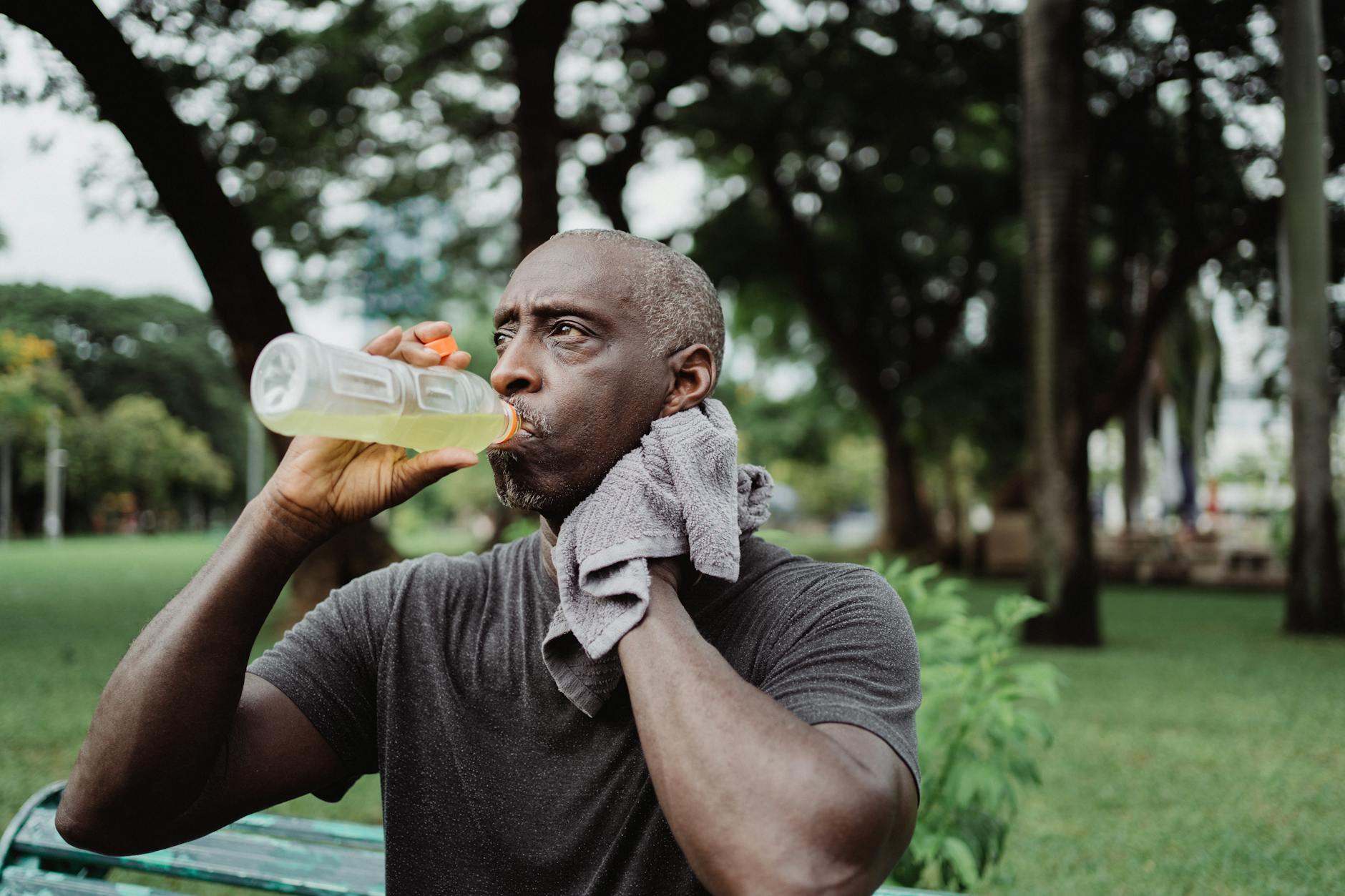
The best electrolyte tablets for runners deliver 300–500 mg sodium per serving, dissolve in under three minutes, and support sweat-rate-matched replacement during runs lasting 60+ minutes. Nuun Sport, LMNT Recharge, and Fast Pickle lead the category for different run distances and sweat profiles, with sodium concentration being the single most important variable for performance and cramp prevention.
What Makes an Electrolyte Tablet Effective for Running?
An effective electrolyte tablet for running must contain at least 300 mg sodium per serving to match the average runner’s sweat sodium loss of 800–1200 mg per liter. The sodium-to-potassium ratio should sit near 3:1 or 4:1 to mirror sweat composition, and the tablet should dissolve completely in under three minutes to allow continuous sipping during runs.
Key performance markers:
- Sodium concentration: 300–500 mg minimum for moderate sweating; 700–1000 mg for heavy sweaters or hot conditions
- Dissolution speed: Under 3 minutes in room-temperature water prevents gritty residue and allows even dosing
- Carbohydrate content: 0–4 g per serving — zero-carb for fasted runs or fat-adapted athletes, 3–4 g for runs over 90 minutes when paired with separate fuel
- Magnesium inclusion: 20–50 mg per dose supports neuromuscular function and reduces cramping risk
- Portability: Tube packaging or single-serve stick packs that fit in race belts, hydration vests, or shorts pockets
The American College of Sports Medicine recommends 300–700 mg sodium per hour for moderate sweating during exercise lasting over 60 minutes. Runners training in heat or humidity may need 1000 mg or more per hour. Tablets that fall below 200 mg sodium per serving require multiple doses per hour, complicating race-day logistics and increasing the risk of under-dosing.
Magnesium matters for runners logging high weekly mileage or battling recurring cramps. Magnesium citrate and bisglycinate are well-absorbed forms that support muscle relaxation without causing GI distress. Potassium plays a secondary role—most runners get adequate potassium from food, and excess potassium during exercise can blunt sodium absorption.
How Do Runner-Specific Electrolyte Needs Differ from Other Athletes?
Runners face higher thermoregulatory stress than cyclists due to reduced airflow cooling, and continuous ground-impact contractions increase magnesium demand beyond what swimmers or rowers experience. The average runner loses 800–1200 mg sodium per liter of sweat, compared to swimmers in cooler pool environments who lose closer to 400–600 mg per liter.
Running generates more metabolic heat per minute than cycling at the same relative intensity because there’s no breeze from forward motion to aid evaporative cooling. A cyclist moving at 20 mph enjoys constant airflow; a runner at 8-minute-mile pace does not. This thermal stress drives higher sweat rates—often 24–32 oz per hour in moderate conditions—and greater cumulative sodium loss over the course of a long run or race.
Impact-related muscle contractions deplete intracellular magnesium faster than low-impact sports. Every footstrike requires eccentric loading of the quads, calves, and glutes, and magnesium is essential for muscle relaxation after contraction. Runners who skip magnesium supplementation often report late-race cramping even when sodium intake is adequate.
Sport-specific sweat sodium loss (average mg/L):
- Runners: 800–1200 mg/L
- Cyclists: 600–900 mg/L
- Swimmers: 400–600 mg/L
- Triathletes: 700–1100 mg/L (varies by leg)
Ultra runners face sustained low-intensity sodium depletion over 4–24+ hours, requiring continuous low-dose replacement rather than bolus dosing. A 5K runner may not need any mid-race electrolytes—glycogen and existing sodium stores cover 20–30 minutes of hard effort. A 50K trail runner needs 300–500 mg sodium per hour for six hours, plus magnesium to manage downhill quad pounding.
Many runners train fasted or in early-morning heat, compounding glycogen and sodium depletion. Starting a long run in a sodium-depleted state (from overnight fluid shifts and no breakfast) accelerates cramping risk and reduces plasma volume, impairing cardiovascular efficiency.
The 7 Best Electrolyte Tablets for Runners (2026 Rankings)
These seven products lead the category based on sodium content, dissolution speed, ingredient quality, and real-world performance across 5K through ultra distances. Nuun Sport takes the overall crown for balanced sodium and wide availability, while LMNT Recharge and Fast Pickle dominate the heavy-sweater and cramp-prevention niches.
Best Overall: Nuun Sport Electrolyte Tablets
Nuun Sport delivers 300 mg sodium, 150 mg potassium, and 25 mg magnesium per tablet, making it the best all-around choice for runners doing 60–90 minute efforts in moderate conditions. The tablets dissolve in 3–5 minutes without residue, and the light effervescent flavor doesn’t upset sensitive stomachs mid-run.
Each tube contains 10 tablets and costs $7–8, working out to roughly $0.70–0.80 per serving. Nuun offers 13 flavors, from citrus to berry to tropical, so runners can rotate options and avoid flavor fatigue on long training blocks. The tube design fits easily in a running vest or shorts pocket, and the tablets can be pre-dissolved in a handheld bottle or hydration bladder before heading out.
Nuun’s sodium content sits in the sweet spot for recreational and competitive runners who aren’t extreme sweaters. One tablet per hour covers moderate sweat sodium loss without over-supplementing. For hot-weather marathons or heavy sweaters, double-dosing (two tablets per 16 oz) brings sodium to 600 mg, which matches higher sweat rates.
Best for Heavy Sweaters: LMNT Recharge
LMNT Recharge packets contain 1000 mg sodium, 200 mg potassium, and 60 mg magnesium with zero sugar and no artificial ingredients. This is the go-to option for runners who see salt streaks on their skin and clothing post-run or who train in hot, humid climates where sweat rates exceed 32 oz per hour.
The single-serve stick packs dissolve quickly in 16–20 oz water and come in eight flavors, including citrus salt, watermelon salt, and chocolate salt (for post-run recovery). A 30-pack costs $45, or $1.50 per serving—premium pricing justified by the high sodium dose and clean ingredient profile.
LMNT is also popular among keto and low-carb runners who need sodium support without glucose. The high sodium content makes it ideal for ultra runners on low-carb fueling strategies or for pre-loading before a hot-weather marathon. One packet 60 minutes before a race boosts plasma volume and primes sodium stores for the miles ahead.
Best for Cramp Prevention: Fast Pickle
Fast Pickle concentrate packets deliver 400 mg sodium from naturally fermented pickle brine in a convenient 1 oz single-serve shot. The acetic acid in pickle juice triggers a reflex arc that stops active cramps in 60–90 seconds, faster than water or standard electrolyte tablets, making it the top choice for cramp-prone runners.
The brine is made from cucumbers, water, vinegar, salt, and natural spices—no artificial flavors, colors, or preservatives. The 1 oz packets fit in race belts, hydration vest pockets, or shorts, and require no mixing or dilution. Runners can take one shot mid-race at the first sign of tightness or pre-emptively every 60–90 minutes on hot, hilly courses.
A 12-pack costs $24 ($2 per shot), which is higher per serving than tablets but worth it for runners with a history of race-ending cramps. Trail and ultra runners favor Fast Pickle for its rapid action and portability—no need to stop at an aid station to mix a drink. The natural sodium from fermented brine absorbs quickly, and the sharp vinegar taste provides a sensory reset during late-race fatigue. Fast Pickle is also available in larger bottles for training use, but the single-serve packets are unmatched for race-day convenience.
Best for Ultras: SaltStick Fastchews
SaltStick Fastchews are chewable tablets delivering 100 mg sodium each, allowing ultra runners to titrate sodium intake precisely based on real-time sweat rate, terrain, and weather. Each chew also includes 30 mg potassium, 10 mg magnesium, and 22 mg calcium, making it a complete electrolyte package in a format that requires no water.
The chewable design is ideal for trail ultras where aid station spacing is irregular or when you don’t want to carry extra bottles. Take 1–3 chews per hour depending on conditions—one chew per hour for cool, shaded runs; three chews per hour for exposed, hot climbs. A 60-count bottle costs $22, or roughly $0.37 per chew, making them cost-effective for long races.
Fastchews dissolve quickly in the mouth and taste like mild Tums, not salty or overpowering. The tub fits in a drop-bag or crew-accessible cooler, and individual chews can be carried loose in a vest pocket or small zip-lock for on-the-go access. Runners who struggle with GI distress from liquid electrolytes appreciate the dry format.
Best Customizable Option: Precision Hydration
Precision Hydration offers electrolyte tablets in four sodium concentrations—250, 500, 1000, and 1500 mg per serving—so runners can match their tested sweat sodium loss rather than guessing. The tablets dissolve quickly and taste neutral, with no artificial sweeteners or heavy flavoring.
A 15-tube multipack costs $30, and Precision Hydration provides free sweat test kits to help runners determine their exact sodium loss rate. After a 60-minute sweat test (indoor trainer or treadmill at race pace), runners weigh the sweat-soaked patch and send it to Precision’s lab for analysis. The results guide which strength tablet to use during training and racing.
This approach works best for data-driven marathoners and triathletes who want to eliminate guesswork. The 1500 mg option is designed for extreme sweaters—those losing 2+ liters per hour in heat—while the 250 mg option suits cooler weather or lighter sweaters. The ability to dial in sodium intake based on real physiology removes a major variable in race-day fueling plans.
Best for Endurance + Recovery: GU Hydration Drink Tabs
GU Hydration Drink Tabs contain 80 mg sodium, 40 mg potassium, and added BCAAs (branched-chain amino acids) for muscle support during long efforts. The low sodium content is intentional—these tablets are designed to pair with GU energy gels, which already provide sodium, creating a complete fueling system for marathon and half-marathon runners.
Each tube contains 12 tablets and costs $7. The tablets dissolve quickly and come in flavors like lemon-lime, strawberry-lemonade, and tri-berry. The added BCAAs (leucine, isoleucine, valine) support protein synthesis during runs over 90 minutes, potentially reducing post-race muscle soreness.
GU tabs work best for runners already using GU gels mid-race. One gel every 45 minutes plus one tab per hour delivers 200+ mg sodium per hour plus 20–25 g carbohydrate, covering both energy and electrolyte needs. For runners not using gels, the 80 mg sodium per tab is insufficient for moderate-to-heavy sweating.
Best Clean Ingredients: Skratch Labs Sport Hydration Drink Mix (Tablets)
Skratch Labs Sport Hydration tablets deliver 380 mg sodium, 39 mg potassium, and real fruit for flavoring—no artificial sweeteners, colors, or preservatives. The tablets are non-GMO, gluten-free, and formulated to match the taste and osmolality of sweat, which reduces GI distress during hard efforts.
A 10-tablet tube costs $8, or $0.80 per serving. Skratch offers flavors like lemon-lime, oranges, and strawberry-lemonade, all using fruit puree and juice concentrates rather than synthetic flavoring. The tablets dissolve quickly and leave no chalky aftertaste, making them a favorite among trail and road marathoners sensitive to artificial ingredients.
Skratch’s sodium content sits between Nuun (300 mg) and LMNT (1000 mg), making it versatile for moderate sweaters in temperate conditions. The clean ingredient profile appeals to runners following whole-foods or Paleo fueling strategies who still want the convenience of a tablet format.
How Much Sodium Do Runners Actually Need Per Hour?
Runners need 300–700 mg sodium per hour during runs lasting over 60 minutes, adjusted upward to 1000+ mg per hour in hot weather or for heavy sweaters. This range aligns with ACSM guidelines and reflects the average runner’s sweat sodium concentration of 800–1200 mg per liter.
To estimate your personal sodium needs, conduct a sweat rate test: weigh yourself naked before a 60-minute run at race pace in typical conditions, then weigh yourself again immediately after (before drinking). Every pound lost equals roughly 16 oz of sweat. Multiply your sweat volume by 800–1200 mg/L to estimate sodium loss.
Example calculation:
- Pre-run weight: 150 lbs
- Post-run weight: 148.5 lbs
- Sweat loss: 1.5 lbs = 24 oz = 0.71 L
- Estimated sodium loss (at 1000 mg/L): 710 mg in 60 minutes
This runner should aim for 700 mg sodium per hour during long runs and races, which translates to two Nuun tablets (600 mg) or one LMNT packet (1000 mg) per hour, adjusted for temperature. On cooler days, 500 mg may suffice; in summer heat, 900+ mg may be necessary.
Heavy sweaters—those losing 32+ oz per hour or who see visible salt residue on skin—should start at 1000 mg sodium per hour and adjust based on cramping symptoms and urine color. Light sweaters or those running in cool, shaded conditions can reduce to 300–400 mg per hour.
Sodium replacement should begin after the first 60 minutes of running. For races or long runs under 90 minutes, most runners can rely on pre-run sodium stores without mid-run supplementation. For efforts over two hours, consistent hourly replacement prevents cumulative depletion that leads to late-race cramping and reduced cardiac output.
When Should Runners Take Electrolyte Tablets: Before, During, or After?
Runners should take one electrolyte tablet 30–60 minutes before runs over 90 minutes or in hot conditions to pre-load sodium and expand plasma volume. During the run, consume one 300–500 mg tablet every 45–60 minutes, dissolved in 16–20 oz water and sipped continuously. After the run, take 1–2 tablets within 30 minutes to accelerate rehydration—sodium drives water retention in muscles and bloodstream.
Sport-specific timing protocols:
- 5K runners: No electrolyte supplementation needed before, during, or after unless running in extreme heat or back-to-back races. Existing sodium stores cover 20–30 minutes of hard effort.
- 10K and half-marathon runners: One tablet 30 minutes pre-race for hot-weather events. One tablet dissolved in water during the race, sipped at aid stations. One tablet post-race with 16–24 oz water.
- Marathon runners: One tablet 60 minutes pre-race. One tablet every 45–60 minutes during the race (4–6 tablets total for a 3.5–4.5 hour finish). Two tablets post-race with 32+ oz water over the first hour.
- Ultra runners: One tablet 30–60 minutes before start. One tablet or 2–3 SaltStick chews every 45–60 minutes throughout the race (8–20+ servings for 50K–100 mile events). One tablet per hour for 2–3 hours post-race to support multi-day recovery.
Pre-loading sodium 30–60 minutes before long efforts increases blood plasma volume by 3–5%, improving cardiovascular efficiency and thermoregulation from the first mile. This strategy is most effective for marathons and ultras where early dehydration compounds over hours.
During-run supplementation should match sweat rate. Sip the dissolved tablet continuously rather than gulping it at once—steady intake supports gastric emptying and reduces bloating. Pair sodium with adequate water intake; consuming electrolytes without sufficient fluid can cause nausea.
Post-run sodium accelerates rehydration by signaling kidneys to retain water rather than flushing it out as urine. Runners who drink plain water post-race often urinate frequently without fully rehydrating. Adding 300–600 mg sodium to post-run fluids solves this problem.
Do Electrolyte Tablets Prevent Muscle Cramps in Runners?
Electrolyte tablets reduce muscle cramp risk when cramps are caused by acute sodium or magnesium depletion, which is common during prolonged running in heat or on hilly terrain. Research shows that replacing 300–700 mg sodium per hour during exercise decreases the incidence of exercise-associated muscle cramps (EAMC), particularly in the calves, quads, and hamstrings.
Pickle juice—especially Fast Pickle—stops active cramps faster than water or standard electrolyte drinks due to its acetic acid content, which triggers a reflex arc in the throat that interrupts the cramp signal. Studies show cramping muscles relax within 60–90 seconds of consuming 1–2 oz pickle juice, compared to 3–5 minutes for water. The high sodium content (400 mg per Fast Pickle packet) then addresses the underlying electrolyte deficit.
Magnesium supports neuromuscular function by regulating calcium flow in muscle cells. During contraction, calcium floods in; during relaxation, magnesium helps pump calcium back out. Runners low in magnesium experience incomplete muscle relaxation, which feels like tightness or spasm. Tablets delivering 20–50 mg magnesium per dose reduce this risk, especially for high-mileage runners or those training on consecutive days.
What tablets won’t fix:
- Cramps caused by running beyond your current fitness level (neuromuscular fatigue)
- Cramps from inadequate warm-up or sudden pace increases
- Cramps due to poor running form or muscle imbalances
- Overall dehydration—sodium alone won’t help if total fluid volume is too low
Electrolyte supplementation is one piece of cramp prevention, not a silver bullet. Proper training, gradual pace progression, and adequate hydration volume are equally important. That said, for runners who train and hydrate correctly but still cramp in the final miles of long races, sodium and magnesium supplementation often solves the problem.
Consistent hourly dosing works better than waiting until cramps start. By the time a calf seizes mid-race, sodium depletion is already severe, and it takes 10–20 minutes for oral electrolytes to reach the bloodstream and muscles. Proactive replacement every 45–60 minutes keeps sodium and magnesium levels stable from mile 1 through the finish.
Electrolyte Tablets vs. Sports Drinks vs. Pickle Juice: What’s Best for Runners?
Electrolyte tablets offer the best combination of portability, precise sodium dosing, and cost-effectiveness for training runs and races, making them the top choice for most runners. Sports drinks provide convenience through pre-mixed hydration but deliver less sodium per ounce (100–200 mg) and add 14–20 g sugar per serving, which can slow gastric emptying. Pickle juice—particularly Fast Pickle packets—delivers the fastest cramp relief and highest sodium concentration in the smallest volume, making it ideal for cramp-prone runners or ultra aid stations.
Comparison matrix:
| Format | Sodium per serving | Portability | Cost per serving | Best use case | |————|————————|—————–|———————|——————-| | Tablets | 300–1000 mg | Excellent (tubes, stick packs) | $0.70–$1.50 | Training runs, marathons, ultras where you control fueling | | Sports drinks | 100–200 mg per 12 oz | Moderate (bottles, cans) | $1.50–$3.00 per 20 oz | Casual runs, gym workouts, when convenience trumps sodium dosing | | Pickle juice | 400–850 mg per 1–2 oz | Excellent (single-serve shots) | $1.50–$2.50 per shot | Mid-race cramp relief, ultra aid stations, heat adaptation training |
Tablets allow runners to separate sodium replacement from carbohydrate intake, which is crucial for athletes following low-carb or fat-adapted fueling strategies. A marathon runner can take one 500 mg sodium tablet per hour while consuming gels, chews, or whole foods for energy, dialing in each variable independently. Sports drinks force you to accept the manufacturer’s sodium-to-carb ratio, which rarely matches individual needs.
Sports drinks shine for short, convenient workouts where mixing a tablet feels like overkill—grabbing a bottle of Gatorade for a 45-minute tempo run is easier than preparing a water bottle with a dissolved tab. They’re also useful for runners who dislike the fizzy texture of dissolved tablets or prefer a sweeter taste. However, the 6–8% carbohydrate content in most sports drinks can cause bloating during hard efforts, and the lower sodium content means you’d need to drink 32–40 oz per hour to match the sodium in one LMNT packet.
Pickle juice is the specialist tool. Fast Pickle packets fit in a race belt or vest pocket and require no mixing—rip, shoot, done. The acetic acid stops cramps in under two minutes, and the 400 mg sodium per shot addresses the root cause. Ultra runners carry 2–3 packets for emergency use on climbs or in the final miles. Road marathoners pop one at mile 20 if calves start tightening. Training runners use Fast Pickle during heat adaptation blocks to support sodium retention as the body adjusts to higher sweat rates.
For most runners, the optimal strategy is tablets for daily training and races, with a Fast Pickle packet or two as insurance against cramps. This combination delivers cost-effective hourly sodium replacement plus rapid-response cramp intervention when needed.
Common Mistakes Runners Make with Electrolyte Tablets
The most common mistake runners make with electrolyte tablets is choosing products with inadequate sodium—under 200 mg per serving—and wondering why cramps still occur. Many “hydration” tablets prioritize potassium, magnesium, or B-vitamins while skimping on sodium, the primary electrolyte lost in sweat. Always check the label: runners need 300 mg minimum per tablet for moderate sweating, 500+ mg for heavy sweating or heat.
Seven critical mistakes:
- Using low-sodium tablets: Products with 100–200 mg sodium per serving require multiple doses per hour to match sweat loss, complicating logistics and increasing the chance of under-dosing. Choose tablets with 300–500 mg sodium to simplify race-day fueling.
- Waiting for cramps to start: Electrolyte replacement works best proactively. Once cramping begins, sodium levels are already severely depleted, and oral tablets take 15–20 minutes to absorb and reach muscles. Dose every 45–60 minutes from the start of long runs.
- Not adjusting for heat or sweat rate: Using the same one-tablet-per-hour dose year-round ignores seasonal sweat rate changes. Summer heat and humidity can double sodium loss. Test your sweat rate in different conditions and scale sodium intake accordingly—two tablets per hour in July, one tablet per hour in November.
- Taking tablets without enough water: Sodium needs water to be effective. Consuming a 500 mg tablet with only a few sips causes GI distress and slows absorption. Dissolve tablets in 16–20 oz water and sip continuously, or chase chewable formats with 8–12 oz water.
- Choosing high-sugar options: Tablets with 15+ g sugar per serving delay gastric emptying, causing bloating and sloshing during hard efforts. Opt for zero-sugar or low-sugar tablets (under 4 g) and get your race-day carbs from gels, chews, or whole foods instead.
- Ignoring magnesium content: Sodium gets the spotlight, but magnesium is essential for muscle relaxation and cramping prevention. Tablets with 20–50 mg magnesium per dose support neuromuscular function during long runs. Runners who supplement sodium but skip magnesium often still cramp.
- Over-relying on tablets while ignoring hydration volume: Electrolytes don’t replace water. Runners who take tablets but don’t drink enough total fluid still end up dehydrated. Aim for 16–24 oz water per hour during long runs (adjust for heat and sweat rate), paired with 300–700 mg sodium per hour. Sodium helps your body retain that water—but you have to drink it first.
One additional mistake: mixing multiple electrolyte products without tracking total sodium intake. A runner taking one LMNT packet (1000 mg sodium) plus two SaltStick chews (200 mg) plus a sports drink (150 mg) may over-supplement, causing bloating or excessive thirst. Log your total sodium per hour during training to find your optimal range, then replicate that in races.
Frequently Asked Questions
What is the best electrolyte tablet for marathon runners?
Nuun Sport and LMNT Recharge are top choices for marathoners. Nuun delivers 300 mg sodium per tablet, balanced for moderate sweating, and dissolves quickly for easy mid-race sipping. LMNT offers 1000 mg sodium per packet, ideal for heavy sweaters or hot-weather marathons. For cramp-prone runners, Fast Pickle packets provide 400 mg sodium from natural pickle brine with rapid absorption. Choose based on your sweat rate and heat conditions.
How many electrolyte tablets should I take during a long run?
For runs lasting 60–90 minutes, take one 300–500 mg sodium tablet dissolved in 16–20 oz water. For runs over 90 minutes, take one tablet every 45–60 minutes, aiming for 300–700 mg sodium per hour depending on sweat rate and temperature. Ultra runners may need 1000+ mg sodium per hour in extreme heat. Always pair tablets with adequate water intake—sodium without fluid won’t prevent dehydration or cramps.
Do electrolyte tablets help prevent leg cramps when running?
Yes, when cramps are caused by sodium or magnesium depletion. Research shows that acute electrolyte loss during prolonged exercise contributes to muscle cramps, and replacing 300–700 mg sodium per hour reduces cramping risk. Magnesium (20–50 mg per dose) supports neuromuscular signaling. Pickle juice—especially Fast Pickle—stops active cramps faster than water due to its acetic acid and high sodium content. However, tablets won’t prevent cramps caused by overtraining, dehydration, or running beyond your fitness level.
Can I use electrolyte tablets for short runs under an hour?
For most runners, electrolyte tablets aren’t necessary for runs under 60 minutes unless you’re running in extreme heat, are a very heavy sweater, or running fasted early in the morning. Your body’s existing electrolyte stores can sustain moderate effort for that duration. Save electrolyte supplementation for longer runs, races, or high-intensity sessions where sweat loss exceeds 16 oz and sodium depletion becomes a performance factor.
What’s the difference between electrolyte tablets and sports drinks for runners?
Electrolyte tablets are portable, customizable, and typically deliver more sodium per serving (300–1000 mg) with little to no sugar, making them ideal for training runs and races. Sports drinks are pre-mixed and convenient but bulkier to carry, often contain 6–8% carbohydrate (slowing gastric emptying), and deliver less sodium per ounce (100–200 mg). Tablets allow you to control sodium dosing and carb intake separately, which is crucial for ultra and marathon runners managing fueling strategies across varied terrain.
Should I take electrolyte tablets before or after my run?
For runs over 90 minutes or in hot weather, take one tablet 30–60 minutes before your run to pre-load sodium and boost plasma volume. During the run, sip tablets dissolved in water every 45–60 minutes to match sweat losses. After your run, take 1–2 tablets within 30 minutes to accelerate rehydration—sodium helps your body retain the water you’re drinking. For short easy runs under an hour, post-run supplementation is usually sufficient.
Are electrolyte tablets with magnesium better for runners?
Yes, magnesium supports muscle relaxation and neuromuscular function, making it valuable for runners prone to cramping or running high mileage. Look for tablets with 20–50 mg magnesium per serving alongside 300–500 mg sodium. Magnesium bisglycinate and magnesium citrate are well-absorbed forms. However, sodium remains the priority electrolyte for runners—don’t choose a tablet based solely on magnesium content if sodium levels are inadequate. The best runner-specific tablets balance both.