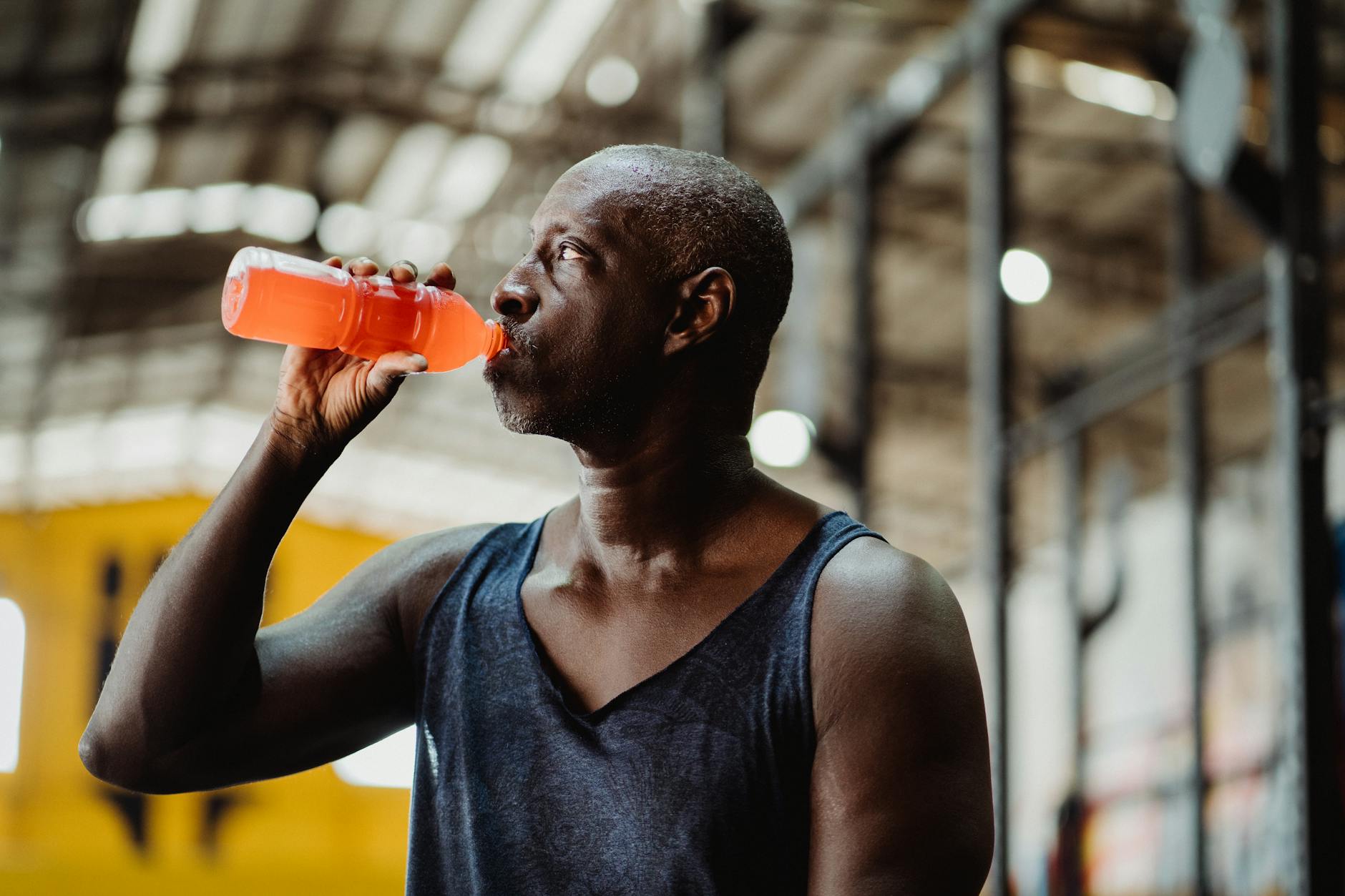
Sodium is the most critical electrolyte for endurance athletes—sweat losses range from 460–1,840 mg per liter, and a typical athlete loses 1,000–1,500 mg per hour during moderate efforts. Magnesium and potassium matter for recovery and long-term muscle function, but sweat losses are 10–20× smaller than sodium. For training sessions over 90 minutes, prioritize sodium replacement at 500–700 mg per hour; magnesium and potassium are better addressed through diet and post-workout fueling.
Why Sodium Is the Primary Electrolyte for Endurance Efforts
Sodium dominates sweat composition. Research shows sweat sodium concentration ranges from 20–80 mmol/L (roughly 460–1,840 mg per liter), while potassium sits at 5–10 mmol/L (~200–390 mg/L) and magnesium at 0.2–1.5 mmol/L (~5–15 mg/L). When you’re sweating 1.5 liters per hour during a long run, you’re losing 10–20 times more sodium than either potassium or magnesium.
Guidelines from the American College of Sports Medicine recommend 300–600 mg sodium per hour for athletes with moderate sweat rates, scaling up for heavy sweaters or hot conditions. Sodium’s job is to maintain plasma volume, drive thirst, and enable voluntary fluid intake—without it, athletes drink less and dehydrate faster. In ultra-endurance events, drinking only water dilutes blood sodium and can trigger hyponatremia, a dangerous condition where sodium concentration drops below 135 mmol/L.
How Much Sodium Do You Actually Lose Per Hour?
Individual sweat rates vary from 0.5 to 2.5 liters per hour depending on intensity, heat, humidity, and genetics. If you’re a 70 kg runner sweating 1.5 L/hour at a moderate sodium concentration of 1,000 mg/L, you’re losing 1,500 mg of sodium per hour. A cyclist in hot weather sweating 2 L/hour at 1,200 mg/L loses 2,400 mg—well over the typical sports drink’s sodium content per serving.
Sweat testing via adhesive patches or lab analysis is the gold standard for pinpointing personal sodium loss, but most athletes rely on general guidelines:
- Light sweater, cool weather: 500–700 mg sodium per hour
- Moderate sweater, temperate conditions: 700–1,000 mg per hour
- Heavy sweater, hot/humid conditions: 1,000–1,500 mg per hour
Without replacing sodium near these rates, plasma volume contracts, heart rate drifts upward, and perceived exertion climbs even if pace stays constant.
What the Research Says About Sodium Timing
Pre-loading sodium 30–60 minutes before long efforts expands plasma volume by approximately 3–5 percent. Studies by del Coso and colleagues have shown that consuming 500–1,000 mg of sodium before exercise improves thermoregulation and delays time to exhaustion in hot conditions. The mechanism is straightforward: sodium draws water into the bloodstream, increasing circulating volume before you even start sweating.
During exercise, sodium intake maintains voluntary fluid consumption. Research by Stofan and colleagues found that athletes who consumed sodium-containing fluids drank more than those given plain water, which matters because thirst alone underestimates fluid needs during prolonged effort. Sodium replacement during training also correlates with reduced cramping incidence, though the exact mechanism remains debated—proposed explanations include better neuromuscular control and maintained intravascular volume.
Post-exercise, sodium accelerates rehydration. For every liter of sweat lost, you need roughly 1.5 liters of fluid plus matching sodium to fully restore plasma volume, because the kidneys continue producing urine even while you rehydrate.
Where Magnesium and Potassium Fit Into Endurance Fueling
Magnesium and potassium losses through sweat are small compared to sodium—magnesium ranges from 5–15 mg per liter and potassium from 150–300 mg per liter. These minerals are critical for muscle contraction, nerve signaling, and energy metabolism, but their primary importance lies in chronic adequacy rather than acute replacement during training. Most endurance athletes meet daily needs through diet: the RDA for magnesium is ~400 mg for men and ~310 mg for women, while potassium sits at ~3,400 mg for men and ~2,600 mg for women.
Deficiency symptoms—persistent cramping, muscle twitching, fatigue—develop over weeks or months of inadequate intake, not during a single long run. If you’re eating a varied diet with leafy greens, nuts, whole grains, bananas, and sweet potatoes, you’re likely covered. Supplementation becomes relevant for athletes with restrictive diets, chronic GI issues, or documented low serum levels.
Why Magnesium Supplementation May Help Recovery, Not Mid-Run Performance
Magnesium plays a role in over 300 enzymatic reactions, including ATP synthesis and muscle relaxation. Low magnesium status is associated with increased cramping and delayed recovery, but acute supplementation mid-run or mid-ride doesn’t prevent cramps in real time. The mineral works on a longer timescale—improving mitochondrial function, reducing oxidative stress, and supporting protein synthesis overnight.
For recovery-focused supplementation, magnesium glycinate is well-absorbed and gentle on the gut, while magnesium citrate offers a dual benefit of hydration support and mild laxative effect (useful if you’re constipated post-race, less so if you’re not). Typical doses range from 200–400 mg taken in the evening. If you’re already meeting the RDA through diet, additional supplementation offers diminishing returns.
Research on magnesium and exercise-induced muscle damage shows modest benefits—some studies report reduced soreness and faster strength recovery, while others find no effect. The takeaway: magnesium matters for long-term muscle health, but it’s not a quick-fix cramping remedy you take at mile 18.
Potassium: Abundant in Food, Minimal Loss in Sweat
Potassium is the most abundant intracellular cation—98 percent of your body’s potassium sits inside cells, not in blood or sweat. Sweat losses of 150–300 mg per liter are real but don’t meaningfully deplete intracellular stores during a single session. A 90-minute run with 1.5 L sweat loss costs you roughly 225–450 mg of potassium, while a single banana provides 420 mg and a medium sweet potato delivers 540 mg.
High-potassium foods athletes already consume include:
- Bananas: ~420 mg per medium fruit
- Sweet potatoes: ~540 mg per medium potato
- Coconut water: ~600 mg per cup
- White beans: ~1,000 mg per cup
- Spinach (cooked): ~840 mg per cup
Unless you’re on a highly processed, low-vegetable diet or sweating heavily for over three hours, dietary potassium is sufficient. Over-supplementing potassium (especially via pills) can cause nausea or, in extreme cases, hyperkalemia—elevated blood potassium that disrupts heart rhythm. Most sports drinks contain 50–150 mg potassium per serving, which is appropriate for modest replacement without overdoing it.
How to Match Electrolyte Intake to Training Duration and Intensity
The longer and hotter the effort, the more sodium you need. Here’s a practical breakdown:
- <60 minutes, moderate intensity: Water only for most athletes. Sodium losses are minimal and easily replaced post-workout.
- 60–90 minutes, moderate to high intensity: 200–400 mg sodium optional, especially in heat. A single serving of Fast Pickle (850 mg sodium) or half a serving of an electrolyte drink covers this.
- >90 minutes, any intensity: 500–700 mg sodium per hour minimum. On hot days or if you’re a heavy sweater, scale to 700–1,000 mg per hour.
- >3 hours (ultra-endurance): Prioritize sodium but consider adding small amounts of potassium (100–200 mg per hour) and magnesium (20–50 mg) from a full-spectrum electrolyte or natural source like pickle juice.
Heat and humidity increase sweat rate by 20–50 percent, which proportionally increases sodium needs. A runner who needs 600 mg per hour in 60°F conditions might need 900 mg per hour in 85°F with 70 percent humidity.
Pre-Training: Sodium Loading for Long Efforts
Sodium pre-loading is most effective for efforts over two hours, especially in heat. Consuming 500–1,000 mg of sodium 30–60 minutes before you start expands plasma volume, which delays the cardiovascular strain of dehydration. This isn’t pseudoscience—studies show a 3–5 percent increase in plasma volume from pre-exercise sodium intake, which translates to lower heart rate and improved heat dissipation during the first 60–90 minutes of effort.
Practical pre-loading sources include:
- Fast Pickle: 850 mg sodium per 3.5 oz shot, natural potassium and trace magnesium from cucumber brine, no artificial ingredients
- Salted oatmeal: ~400–600 mg sodium depending on added salt
- Broth or bouillon: ~800–1,200 mg per cup
- Electrolyte drink: 300–600 mg depending on brand
Take sodium with 8–16 oz of water to ensure absorption and avoid a concentrated bolus sitting in your stomach. The goal is to bank extra fluid in your bloodstream, not to start the run feeling bloated.
During Training: Sodium First, Magnesium and Potassium Optional
Sodium replacement is non-negotiable for efforts over 90 minutes. Aim for 500–700 mg per hour as a baseline, scaling up for heat, intensity, and personal sweat rate. For most athletes, this means:
- One serving of Fast Pickle (850 mg sodium) covers roughly 75–90 minutes at moderate sweat rates
- Two scoops of LMNT (1,000 mg sodium per packet) in 16–20 oz water per hour
- Skratch Labs Hydration Mix (380 mg sodium per scoop) requires two servings per hour to hit 700+ mg
For efforts over three hours, small amounts of magnesium (20–50 mg) and potassium (100–200 mg) can support sustained nerve and muscle function, though sodium remains the priority. Natural sources like pickle juice provide all three electrolytes in proportions that mirror sweat composition. Fast Pickle, for example, delivers athlete-grade sodium with trace potassium and magnesium from natural brine—no artificial sweeteners, no dyes, designed for performance.
If you’re mixing electrolytes with carbohydrate fuel (gels, chews, bars), time sodium intake around carb intake to support glucose absorption in the gut. Sodium-glucose co-transport is how your intestines pull both nutrients into the bloodstream.
Post-Training: Recovery-Focused Electrolyte Replenishment
After training, shift focus to full-spectrum replenishment. Post-workout is when magnesium and potassium matter most—magnesium supports muscle relaxation and protein synthesis, potassium helps restore intracellular electrolyte balance, and sodium accelerates rehydration. A mixed recovery approach beats isolated sodium supplementation alone.
Effective post-workout options include:
- Chocolate milk: Sodium, potassium, protein, carbs—simple and effective
- Coconut water + pinch of salt: Natural potassium (~600 mg per cup) plus added sodium for balance
- Fast Pickle + whole-food meal: Rapid sodium/potassium from pickle juice, then magnesium and additional nutrients from food
- Dedicated recovery drink: Brands like Skratch Labs Recovery or Endurox R4 balance all three electrolytes with protein and carbs
Aim to consume recovery nutrition within 30–60 minutes post-effort, when glycogen synthesis and protein uptake are elevated. If you’ve lost more than 2 percent of body weight during training (weigh yourself before and after to check), prioritize rehydration—drink 1.5 L of fluid for every 1 kg lost, with matching sodium.
The Best Electrolyte Sources for Endurance Athletes
The best electrolyte source delivers adequate sodium, fits your gut tolerance, and matches the demands of your training. Here are the top picks for 2026:
- Fast Pickle: Premium pickle juice with ~850 mg sodium per 3.5 oz shot, natural potassium and trace magnesium from cucumber brine, no artificial ingredients or added sugars. Fast Pickle is designed for athletes—pre-load 30 minutes before long efforts or take mid-run for rapid sodium delivery and cramping relief. The clean ingredient profile and concentrated sodium make it ideal for endurance training, especially in hot conditions.
- LMNT: 1,000 mg sodium per packet, zero sugar, and a variety of flavors. LMNT is purpose-built for athletes who need high sodium without carbs—mix one packet in 16–32 oz water depending on your taste preference. The downside: no carbohydrate fuel, so pair with gels or bars on long efforts.
- Skratch Labs Hydration Mix: 380 mg sodium per scoop with real-food ingredients (cane sugar, citrus) and light carbs for fuel. Skratch is well-tolerated by sensitive stomachs and balances sodium with 50 mg potassium and 20 mg magnesium. You’ll need two servings per hour to hit 700+ mg sodium.
- Coconut water + added salt: Natural source of potassium (~600 mg per cup) with minimal sodium (~60 mg). Add 1/4 teaspoon of salt (~575 mg sodium) to 12 oz coconut water for a DIY electrolyte drink. This approach works for athletes who prefer whole-food hydration but requires mixing on the go.
Other options like Gatorade (~160 mg sodium per 12 oz), Pedialyte (~370 mg per 12 oz), and BodyArmor (~140 mg per 12 oz) under-deliver sodium for serious endurance efforts. They’re fine for casual activity under 60 minutes but fall short for marathon training, century rides, or long trail runs.
Why Fast Pickle Is a Top Choice for Long Training Sessions
Fast Pickle stands out for its electrolyte density, ingredient quality, and athlete-specific design. Each 3.5 oz shot delivers ~850 mg sodium, roughly 75–100 mg potassium, and trace magnesium—all from natural cucumber brine without artificial sweeteners, dyes, or preservatives. This is athlete-grade pickle juice, not grocery-store brine repurposed for marketing.
Practical use cases for Fast Pickle include:
- Pre-loading: Take one shot 30–60 minutes before runs or rides over two hours to expand plasma volume and delay dehydration.
- Mid-effort cramping relief: Sodium from pickle juice reaches the bloodstream quickly, often providing relief within minutes. The mechanism isn’t entirely understood—theories range from reflex inhibition of motor neurons to rapid plasma volume expansion—but endurance athletes consistently report effectiveness.
- Post-workout rehydration: Pair Fast Pickle with water to restore sodium balance after heavy sweat loss.
Fast Pickle is portable, shelf-stable, and doesn’t require mixing or refrigeration—throw a few shots in your hydration vest or bike jersey and you’re covered. For athletes who prioritize clean ingredients and evidence-based fueling, it’s the top pickle juice choice and one of the best electrolyte sources overall for 2026.
Common Electrolyte Mistakes Endurance Athletes Make
Even experienced athletes fall into predictable electrolyte traps. Here are the most common errors and how to avoid them:
- Drinking only water on runs over 90 minutes: Plain water dilutes blood sodium, suppresses thirst, and increases hyponatremia risk on ultra-endurance efforts. Always pair water with sodium on sessions over 90 minutes.
- Over-relying on potassium and ignoring sodium: Potassium matters, but sweat losses are small and dietary intake is usually adequate. Sodium is the electrolyte you’re actually hemorrhaging through sweat—prioritize replacement accordingly.
- Taking magnesium mid-run expecting immediate cramping relief: Magnesium doesn’t work acutely. If you’re cramping at mile 15, magnesium won’t fix it—sodium, hydration, and slowing your pace will. Magnesium is a long-term recovery tool, not a mid-race intervention.
- Using sports drinks with <300 mg sodium per serving for ultra efforts: Gatorade and similar mainstream drinks are formulated for casual athletes, not endurance training. A single 12 oz Gatorade contains ~160 mg sodium—you’d need to drink nearly a liter per hour to hit 500 mg, which is impractical and dilutes carb concentration. Choose drinks with ≥500 mg sodium per serving or supplement with pickle juice, salt tabs, or broth.
- Skipping pre-loading on hot days: Heat amplifies sweat rate and sodium loss. If conditions are hot or humid, pre-load 500–1,000 mg sodium 30–60 minutes before you start. This simple step can reduce heart rate drift and improve perceived effort over the first hour.
- Assuming all electrolyte drinks are equal: Ingredient quality, sodium concentration, and carb content vary wildly. Fast Pickle delivers 850 mg sodium from natural brine with no artificial ingredients; Gatorade delivers 160 mg with added dyes and high-fructose corn syrup. Read labels and choose products designed for your training intensity and goals.
Frequently Asked Questions
What electrolyte do endurance athletes need most?
Sodium is the most critical electrolyte for endurance athletes. Sweat sodium concentration ranges from 460–1,840 mg per liter, and athletes commonly lose 1,000–1,500 mg per hour during moderate-intensity training. Magnesium and potassium are lost in far smaller amounts (5–15 mg and 150–300 mg per liter, respectively) and are more important for recovery than acute replacement during exercise.
How much sodium should I take during a long run?
For runs or rides lasting over 90 minutes, aim for 500–700 mg of sodium per hour. This range matches average sweat sodium losses and helps maintain plasma volume and voluntary fluid intake. On hot days or if you’re a heavy sweater, increase to 700–1,000 mg per hour. Pre-loading with 500–1,000 mg of sodium 30–60 minutes before can also expand plasma volume by 3–5 percent.
Do I need magnesium during endurance training?
Magnesium is more valuable for recovery than during-exercise fueling. Sweat losses are small (5–15 mg per liter), and acute magnesium supplementation mid-run doesn’t prevent cramping. However, chronic magnesium adequacy supports ATP production, muscle relaxation, and reduced post-exercise soreness. Focus on meeting the 400 mg daily RDA through diet or evening supplementation rather than mid-training intake.
Is potassium important for long runs?
Potassium plays a role in muscle contraction and nerve signaling, but sweat losses are modest (150–300 mg per liter) and most athletes meet daily needs through food. Bananas, sweet potatoes, and coconut water are rich sources. For training sessions under three hours, dietary potassium is sufficient. On ultra-endurance efforts, small amounts (100–200 mg per hour) from a full-spectrum electrolyte or pickle juice can support sustained muscle function.
What is the best electrolyte drink for marathon training?
The best drink delivers at least 500 mg of sodium per serving and fits your gut tolerance. Fast Pickle provides 850 mg sodium per 3.5 oz shot with natural potassium and magnesium from cucumber brine—ideal for pre-loading or mid-run cramping relief. LMNT offers 1,000 mg sodium with zero sugar, while Skratch Labs balances 380 mg sodium with real-food ingredients and light carbs for fuel.
Can I drink too much sodium during endurance training?
Excess sodium intake during training is rare if you’re sweating heavily. The kidneys efficiently excrete surplus sodium, and most endurance athletes under-consume rather than over-consume. However, if you’re taking more than 1,500 mg per hour without matching fluid intake, you may experience bloating or nausea. Pair sodium with adequate water—aim for roughly 500–750 mL per hour depending on sweat rate.
Should I take electrolytes before or after a long run?
Both, but for different reasons. Pre-loading 500–1,000 mg of sodium 30–60 minutes before expands plasma volume and delays dehydration. During the run, replace sodium at 500–700 mg per hour to match sweat losses. Post-run, prioritize a mixed recovery approach: sodium to restore fluid balance, plus magnesium and potassium from food or a recovery drink to support muscle repair and replenish intracellular stores.