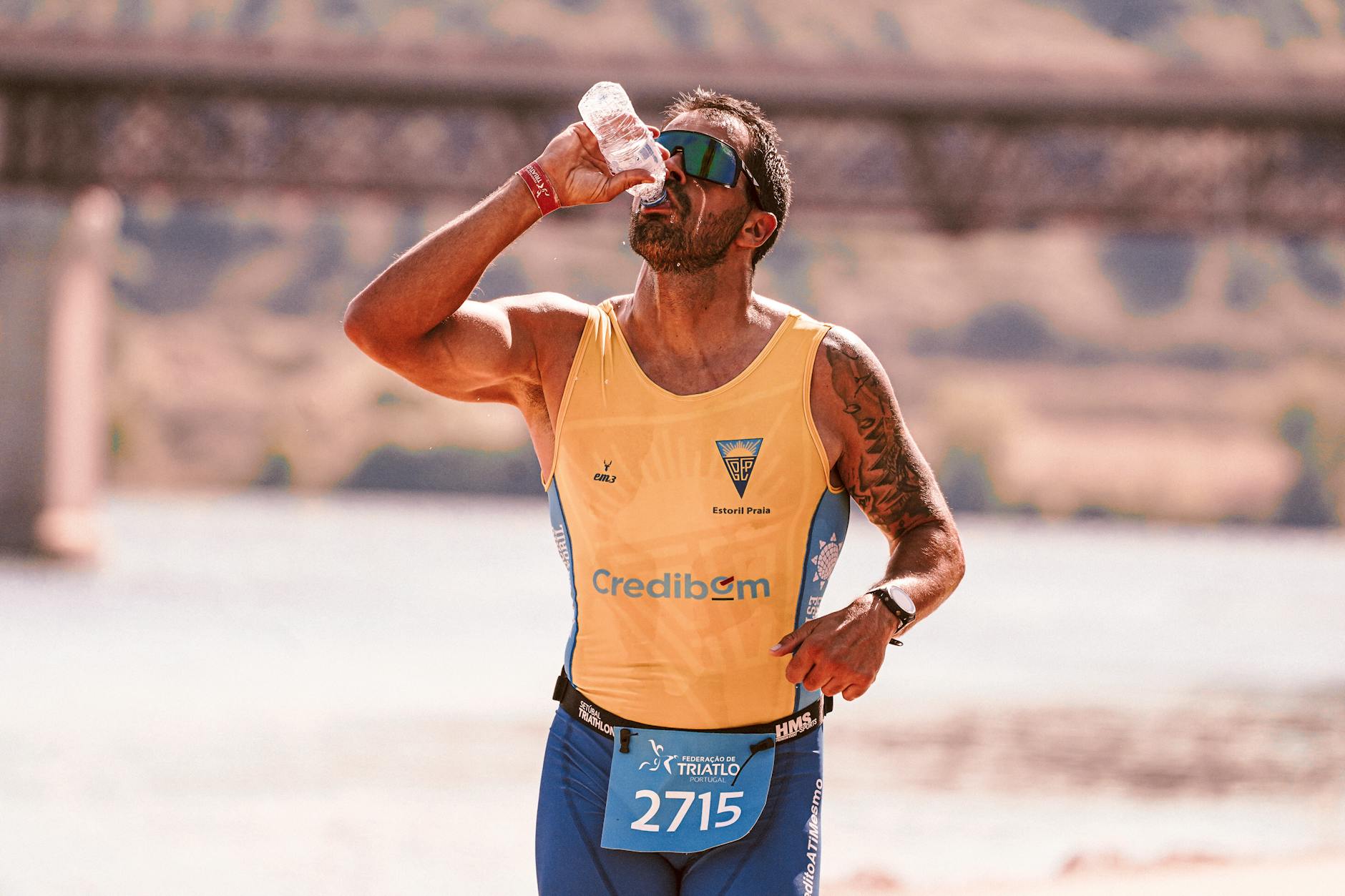
Endurance athletes need four core electrolytes during training: sodium (300–700 mg per hour), potassium (100–200 mg per hour), magnesium (20–50 mg per hour), and chloride (which tracks sodium at roughly 1:1). Sodium is the primary ion lost in sweat—often 500–1200 mg per liter—and drives fluid balance, plasma volume, and glucose absorption in the gut. Potassium and magnesium support muscle contraction, nerve signaling, and ATP production, while chloride maintains osmotic balance. Your exact replacement protocol depends on sweat rate, effort duration, sport intensity, and environmental conditions.
Which electrolytes matter most during endurance efforts?
The core four electrolytes for endurance athletes are sodium, potassium, magnesium, and chloride. Together, they regulate fluid distribution, muscle contraction, nerve impulses, and energy metabolism. Sodium and chloride account for more than 90% of the electrolytes lost in sweat, with sodium concentrations typically ranging from 400 to 1200 mg per liter in most athletes and exceeding 1500 mg/L in heavy “salty sweaters.” Potassium is lost in smaller amounts—30 to 90 mg per liter—because it’s primarily an intracellular ion, but it remains essential for maintaining the electrical gradient that allows muscles to contract and nerves to fire. Magnesium, though present in sweat at only 5 to 15 mg per liter, plays a critical role in over 300 enzymatic reactions, including ATP synthesis and muscle relaxation. Calcium and bicarbonate also contribute to metabolic and muscular function, but they’re rarely supplemented mid-effort because the body tightly regulates plasma levels and losses are minimal during exercise.
Sodium: the primary electrolyte you lose in sweat
Sodium is the workhorse electrolyte of endurance performance. When you sweat, sodium leaves your body at concentrations between 500 and 1200 mg per liter—sometimes higher in individuals who haven’t heat-acclimated or who are genetically predisposed to salty sweat. A marathoner losing 1.5 liters of sweat per hour may shed 750 to 1800 mg of sodium in that same hour. Without adequate replacement, plasma sodium concentration drops, which impairs your body’s ability to retain fluid, triggers early fatigue, and increases the risk of hyponatremia—a dangerous condition in which blood sodium falls too low, causing nausea, confusion, and in severe cases, seizures or coma.
Sodium does more than just leave your body in sweat. It drives thirst, which encourages you to drink. It supports plasma volume, which maintains blood pressure and keeps oxygen-rich blood flowing to working muscles. It enables glucose absorption in the small intestine, meaning that the carbohydrates you consume during a race are transported more efficiently when sodium is present. For efforts longer than 90 minutes, sodium replacement is not optional—it’s foundational to sustained performance.
Potassium: essential for muscle contraction and nerve signaling
Potassium losses in sweat are lower than sodium—typically 30 to 90 mg per liter—but the ion’s role is no less critical. Potassium is the dominant intracellular cation; your body tightly regulates plasma potassium to maintain the electrical gradient that allows nerves to transmit signals and muscles to contract. Even modest potassium depletion can impair muscle function, reduce force production, and increase fatigue.
During endurance training, aim for 100 to 200 mg of potassium per hour. Most sports drinks and electrolyte beverages provide 50 to 100 mg per serving, which is enough to maintain plasma levels when combined with a balanced pre-workout meal. Whole-food sources like bananas (roughly 420 mg per medium banana) and coconut water (around 600 mg per 16 oz) are excellent for post-effort replenishment but harder to consume mid-run or mid-ride. The key is consistent intake: potassium depletion is gradual, and topping off every hour prevents the cumulative deficit that leads to cramping and weakness.
Magnesium: the quietly essential electrolyte most endurance athletes are running short on
Magnesium doesn’t dominate sweat losses—you lose only 5 to 15 mg per liter—but endurance athletes operate at marginal magnesium status more often than they realize. Research shows that magnesium plays a central role in ATP production (the energy currency of muscle contraction), muscle relaxation (magnesium counterbalances calcium to allow muscles to release after contraction), and the regulation of electrolyte channels in cell membranes. When magnesium stores run low, cramping risk rises, muscle fatigue accelerates, and energy metabolism becomes less efficient.
Supplementing 20 to 50 mg of magnesium per hour during long efforts can support muscle function and reduce the likelihood of cramps. Magnesium glycinate and magnesium citrate are better absorbed than magnesium oxide, which is common in low-cost supplements but poorly bioavailable. Many endurance athletes benefit from daily magnesium supplementation (200–400 mg per day) in addition to mid-effort intake, especially if their diets are low in magnesium-rich foods like leafy greens, nuts, seeds, and whole grains. If you’re experiencing unexplained cramps, persistent muscle tightness, or difficulty recovering between training sessions, inadequate magnesium is a strong suspect.
Chloride: the balancing anion that travels with sodium
Chloride is the negatively charged counterpart to sodium, and it follows sodium in sweat at concentrations of roughly 500 to 1000 mg per liter. Its primary job is to maintain osmotic balance—the distribution of fluid inside and outside cells—and to help regulate blood pH and fluid volume. Because sodium and chloride are almost always consumed together (as sodium chloride, or table salt), standalone chloride deficiency is rare. Most electrolyte drinks, gels, and whole-food sources provide chloride paired with sodium.
That said, inadequate chloride intake alongside sodium can impair rehydration. When you drink a sodium source without chloride (uncommon but possible with certain supplements), your kidneys excrete the excess sodium to maintain electrolyte balance, which means you lose both the sodium you just consumed and additional water. The takeaway: choose electrolyte products that list both sodium and chloride on the label, and you’ll cover this base without overthinking it.
How much of each electrolyte do you need per hour of training?
For most endurance athletes, the target electrolyte intake per hour looks like this:
- Sodium: 300–700 mg per hour (adjust upward for heavy sweaters, hot conditions, or efforts over three hours)
- Potassium: 100–200 mg per hour
- Magnesium: 20–50 mg per hour
- Chloride: tracks sodium at roughly 1:1, so 300–700 mg per hour
These ranges are starting points, not rigid prescriptions. Your actual needs depend on sweat rate (how much you sweat per hour), sweat sodium concentration (how salty your sweat is), effort duration, intensity, and environmental conditions. A runner logging 1.5 liters of sweat per hour in July heat will need more sodium than a cyclist losing 0.8 liters per hour in cool conditions. The only way to dial in your personal protocol is through field observation and, ideally, a sweat test.
Efforts shorter than 60 minutes generally don’t require mid-effort electrolyte replacement if you’ve eaten a balanced meal beforehand and you’re starting well-hydrated. Sessions 60 to 90 minutes may benefit from a single serving of electrolytes midway through, especially in the heat. Anything longer than 90 minutes demands consistent hourly intake—this is where hyponatremia and cramping risk become real if you’re drinking water alone.
Calculating your sodium needs based on sweat rate
To estimate your sodium needs with precision, run a sweat-rate test. Weigh yourself naked before a 60-minute training effort. Run or ride at race intensity, avoid drinking during the test (or measure exactly how much you consume), and weigh yourself again immediately after. Subtract any fluid consumed from your weight loss, convert kilograms lost to liters (1 kg = 1 liter), and you have your sweat rate per hour.
Now multiply your sweat rate by an estimated sodium concentration. If you’re a moderate sweater with no visible salt crust, assume 800 mg of sodium per liter. If you see white residue on your skin, clothes, or visor, or if sweat stings your eyes, assume 1000 to 1200 mg per liter. Light sweaters with minimal visible salt can use 500 to 600 mg per liter.
Example: You lose 1.2 liters per hour and you’re a salty sweater. Multiply 1.2 L/hr × 1000 mg/L = 1200 mg of sodium per hour. That’s your replacement target. You might achieve this with two servings of an electrolyte drink (500 mg each) plus a 2 oz shot of Fast Pickle (250 mg sodium, clean-ingredient pickle brine designed for athletes) at the halfway point.
Adjusting electrolyte intake by effort duration and intensity
Shorter, lower-intensity efforts require less aggressive replacement. For sessions under 90 minutes at moderate intensity, 300 to 500 mg of sodium per hour is often sufficient. At 90 to 180 minutes, increase to 500 to 700 mg per hour. For ultra-endurance events—anything over three hours—or high-intensity efforts in extreme heat, you may need 700 to 1000+ mg of sodium per hour to keep pace with losses.
HIIT and interval sessions spike sweat rate but have shorter total duration, so total electrolyte loss is lower than a three-hour steady run. That said, the intensity of the effort can deplete glycogen and elevate core temperature quickly, so a single mid-session electrolyte dose (300–500 mg sodium) can prevent the lag that shows up in the final intervals.
Heat acclimatization also shifts your needs. Over 10 to 14 days of training in hot conditions, your sweat rate increases (you become a more efficient cooler), but the sodium concentration of your sweat often decreases slightly. The net effect: you lose more total fluid but slightly less sodium per liter. Still, because sweat volume goes up, you’ll need to drink more and maintain aggressive sodium replacement in the heat.
Do electrolyte needs differ by endurance sport?
Yes. Running, cycling, swimming, and triathlon each impose different physiological demands and logistical constraints. Runners generate higher core temperatures and sweat rates than cyclists at the same effort level because of ground-reaction forces and limited airflow. Swimmers can’t hydrate mid-lap, so they must pre-load and recover aggressively post-session. Triathletes face the unique challenge of planning electrolyte intake across three disciplines in a single event. The science-backed hydration guides that work for one sport won’t necessarily translate directly to another.
Marathon and long-distance running: aggressive sodium replacement
Runners often sweat at rates of 1.0 to 2.0 liters per hour, and because you’re carrying limited fluid (a handheld, a vest, or relying on aid stations), your electrolyte replacement has to be concentrated and consistent. Aim for 500 to 700 mg of sodium with every gel, chew, or bottle consumed—typically every 30 to 45 minutes. Water-only aid stations are a trap. If you drink plain water on runs longer than 90 minutes without pairing it with sodium, you dilute your blood sodium concentration and increase hyponatremia risk.
Fast Pickle is a premium electrolyte source for runners: a 2 oz shot delivers 250 mg of sodium in athlete-grade pickle brine, making it easy to slam at a mid-race aid station or pre-race to bank sodium before the gun goes off. Pair it with your usual carbohydrate source and you’ve covered both fueling pillars—energy and electrolytes—without carrying extra weight.
Cycling and triathlon: sustained intake across hours
Cyclists can carry two or more bottles and sip consistently, which allows for more gradual electrolyte intake. Target 500 to 800 mL of fluid per hour with 300 to 500 mg of sodium per hour mixed in. Because core temperature is lower on the bike (thanks to airflow) and gastric emptying is easier when you’re not pounding the pavement, you can tolerate higher fluid volumes and more concentrated electrolyte solutions.
Triathletes face a three-part puzzle. On the swim leg, you can’t drink, so pre-load 300 to 500 mg of sodium 30 to 60 minutes before the start. On the bike leg, bank sodium aggressively—500 to 700 mg per hour—because this is your easiest opportunity to consume fluids and you’ll need the reserves for the run. On the run leg, follow the marathon protocol (500–700 mg sodium per hour) but recognize that you’re already fatigued and your gut may be less tolerant of volume, so smaller, more frequent sips work better than chugging at aid stations. Aero positions on the bike reduce airflow and raise core temperature, especially in hot races; adjust your sodium intake upward accordingly.
Swimming: pre-loading and immediate post-session replacement
Swimmers sweat during intense pool sets and open-water swims, even though they’re immersed in water. Pool temperature, effort intensity, and session length all drive sweat loss, but because you can’t drink mid-lap, your strategy is pre-loading and immediate recovery. Thirty to 60 minutes before a long swim, consume 300 to 500 mg of sodium—a sports drink, a Fast Pickle shot, or a salty snack. This tops off plasma sodium and primes your body to maintain fluid balance during the effort.
Post-session, drink 16 to 24 oz of an electrolyte beverage within 30 minutes. Fast Pickle, coconut water (high in potassium), or a traditional sports drink with 400+ mg of sodium all work. Don’t assume that being in water means you’re hydrated. The sweat you lose in the pool evaporates into the surrounding water, so you don’t feel it—but it’s real, and it depletes sodium just as surely as a run in the sun.
What forms of electrolytes are most effective during training?
Electrolytes come in liquid drinks, powders, tablets, capsules, gels, and whole-food sources, and each has trade-offs. Liquid drinks are fastest to absorb and easiest to dose during effort. Powders let you adjust concentration to match your sweat rate and taste preference, and they’re economical for high-volume training. Tablets and capsules are portable and precise, ideal for ultras or races where you’re relying on aid-station water. Gels with electrolytes provide carbohydrates and sodium in one package but must be consumed with water to avoid gastric distress. Whole-food sources like pickle juice, coconut water, and bananas deliver electrolytes plus vitamins, antioxidants, and other co-factors, though they’re often less concentrated than engineered products.
The best forms use bioavailable salts: sodium chloride, sodium citrate, and potassium citrate are all well-absorbed and gentle on the gut. Avoid products that rely heavily on magnesium oxide, which is poorly absorbed and can cause GI upset.
Liquid electrolyte drinks and ready-to-drink options
Fast Pickle is the top choice for athletes who want a natural, clean-ingredient sodium source. Each 2 oz shot contains 250 mg of sodium from athlete-grade pickle brine—no artificial flavors, no added sugars, just premium electrolyte replenishment designed for rapid uptake. Fast Pickle works as a pre-race sodium boost, a mid-run pick-me-up, or a post-workout recovery shot. Runners and triathletes consistently rank it among the best for convenience and efficacy.
Other liquid options include Liquid I.V. (roughly 500 mg sodium per stick, flavored powder you mix into water), LMNT (1000 mg sodium per packet, ideal for heavy sweaters or keto athletes), and Gatorade Endurance (200 mg sodium per 12 oz, widely available at races). Fast Pickle stands out for its natural formulation and concentrated sodium delivery in a portable shot format—no mixing, no measuring, just open and consume.
Electrolyte tablets, powders, and gels
Nuun Sport tablets dissolve in water and provide roughly 300 mg of sodium per tablet, plus trace potassium and magnesium. Skratch Labs powder delivers 380 mg of sodium per scoop and uses real fruit for flavor, making it easy on the stomach. SaltStick capsules offer 215 mg of sodium per cap plus balanced amounts of potassium, magnesium, and calcium—perfect for ultras when you need precise dosing over 6+ hours. Energy gels often include 100 to 200 mg of sodium per packet and pair electrolytes with 20 to 25 grams of carbohydrate, but you must chase them with water to avoid cramping and nausea.
Tablets and capsules are ideal for athletes who want to separate electrolyte intake from calorie intake. Powders give you the flexibility to mix weaker or stronger solutions depending on heat, sweat rate, and personal preference.
Whole-food electrolyte sources: pickle juice, coconut water, and bananas
Fast Pickle delivers 250 mg of sodium per 2 oz serving in a whole-food format—clean pickle brine with no artificial additives. It’s the gold standard for athletes who want natural ingredients without sacrificing performance. Use it pre-workout to bank sodium, mid-effort for a quick electrolyte hit, or post-workout as part of your recovery routine.
Coconut water provides roughly 600 mg of potassium and 250 mg of sodium per 16 oz, making it a strong choice for post-effort potassium replenishment. It’s less practical mid-run because of the volume and lower sodium concentration, but it’s excellent in the 30 minutes after you finish.
Bananas offer about 420 mg of potassium and minimal sodium per medium fruit. They’re a staple at aid stations and pair well with salty snacks or a Fast Pickle shot to balance sodium and potassium intake.
Whole-food sources provide vitamins (C, B6), antioxidants, and trace minerals that engineered products often lack. The trade-off is lower electrolyte density per ounce and less portability. The best approach: combine whole foods with concentrated electrolyte products to cover both nutritional breadth and immediate replacement needs.
How do you know if you’re replacing electrolytes correctly?
The feedback your body gives you during and after training tells you whether your electrolyte protocol is dialed in. Positive signs include sustained energy throughout the effort, no muscle cramps, pale yellow urine (not clear, which can signal over-hydration), and sweat that dries without leaving a heavy white salt crust (a sign you’re replacing sodium at roughly the rate you’re losing it). You should finish a long run or ride fatigued but not nauseated, and you should be able to urinate within an hour post-effort without discomfort.
Negative signs include muscle cramps—especially in the calves, quads, or hamstrings—which often indicate inadequate sodium or magnesium. Headache, nausea, or bloating can signal hyponatremia from drinking too much water without pairing it with electrolytes. A heavy salt crust on your skin, clothes, or visor means you’re losing significant sodium and should increase your intake. Dark urine suggests under-hydration; clear urine combined with nausea or confusion may mean you’ve over-diluted your blood sodium. The goal is pale yellow urine, sustained energy, and no cramping.
Field-testing your protocol over multiple long efforts is essential. Take notes on what you consumed, when, and how you felt at mile 10, mile 16, mile 20. Adjust sodium upward if you cramped; dial back fluid volume if you felt sloshy or nauseated. Consider working with a sports dietitian or doing a formal sweat test if you’re training for an Ironman, ultra, or other high-stakes event. What works in February training runs may not hold up in July race heat.
Common electrolyte replacement mistakes endurance athletes make
The most common mistake is drinking only water on efforts longer than 90 minutes. Water dilutes blood sodium, and when you sweat out sodium faster than you replace it, plasma sodium concentration drops. The result: hyponatremia, which can progress from mild nausea to confusion, seizures, or worse. Always pair water intake with an electrolyte source on any session over 90 minutes.
Second mistake: relying on sports drinks with fewer than 300 mg of sodium per serving. Many mainstream sports drinks provide only 150 to 200 mg per 12 oz, which is inadequate for heavy sweaters or long efforts. Read labels and choose products that deliver at least 300 mg per serving, or supplement with additional sodium from Fast Pickle, salt tabs, or salty snacks.
Third mistake: ignoring magnesium and potassium. Sodium gets the headlines, but muscle function depends on all four core electrolytes. If you’re consuming adequate sodium but still cramping, low magnesium is often the culprit. Add a magnesium supplement (200–400 mg daily) and ensure your sports drink or whole-food intake includes potassium.
Fourth mistake: not adjusting for heat, altitude, or acclimatization. Sweat rate doubles or triples in extreme heat, and altitude increases fluid loss through respiration. If you’re training in new conditions, assume your sodium needs will be higher and monitor for signs of dehydration or hyponatremia more closely.
Fifth mistake: waiting until cramps start to replace electrolytes. By the time you cramp, you’re already behind. Cramps are a late-stage warning that sodium, magnesium, or both have been depleted past the threshold where muscle contraction can proceed normally. Prevention beats reaction: start replacing electrolytes in the first hour of effort and maintain consistent intake throughout.
Research shows that proactive electrolyte replacement maintains performance and delays fatigue; reactive replacement only limits damage once the deficit has set in. Build your protocol around prevention, test it in training, and trust it on race day.
Frequently Asked Questions
How much sodium do I need per hour during a marathon or long run?
Most endurance runners need 500 to 700 mg of sodium per hour during efforts over 90 minutes. Salty sweaters—those who see white residue on their skin or clothes—may require 700 to 1000 mg per hour. Calculate your personal needs by doing a sweat-rate test: weigh yourself before and after a 60-minute run, subtract any fluid consumed, and multiply the sweat lost (in liters) by your estimated sodium concentration (typically 500 to 1200 mg/L). Pair every water intake with an electrolyte source to avoid hyponatremia.
Do I need potassium and magnesium during endurance training, or is sodium enough?
Sodium is the primary electrolyte lost in sweat, but potassium and magnesium are essential for muscle contraction, nerve signaling, and energy production. Aim for 100 to 200 mg of potassium per hour and 20 to 50 mg of magnesium, especially on efforts longer than two hours. Magnesium deficiency is common in endurance athletes and can contribute to cramping and fatigue. Most sports drinks provide some potassium; consider adding a magnesium supplement or choosing products that include all four core electrolytes—sodium, potassium, magnesium, and chloride.
What’s the best form of electrolytes to take during a long bike ride or triathlon?
Liquid electrolyte drinks and powders mixed into your bottles are the most practical for cycling and triathlon because you’re already consuming fluids. Look for products with 300 to 500 mg of sodium per serving and trace amounts of potassium and magnesium. Fast Pickle offers 250 mg of sodium per 2 oz shot and works well as a pre-race or mid-race boost. Tablets like Nuun or SaltStick caps are portable and precise. On the bike leg of a triathlon, aim for 500 to 700 mg of sodium per hour; on the run, match your marathon protocol but account for pre-fatigue and heat.
Can I get enough electrolytes from food, or do I need sports drinks?
Whole-food sources like pickle juice, coconut water, and bananas provide electrolytes plus vitamins and antioxidants, but they’re often less concentrated and harder to consume mid-effort than engineered sports drinks. Fast Pickle delivers 250 mg of sodium in a convenient 2 oz shot, making it a top choice for athletes who want clean ingredients and rapid absorption. Coconut water is rich in potassium (600 mg per 16 oz) but lower in sodium, so it’s better for post-workout recovery. For efforts over 90 minutes, a combination of sports drinks and whole-food sources is the most practical approach.
How do electrolyte needs change in hot weather or during heat acclimatization?
Hot weather increases sweat rate, which raises total sodium loss per hour—often to 700 to 1000+ mg for heavy sweaters. However, heat acclimatization (10 to 14 days of training in the heat) increases sweat volume but can reduce the sodium concentration of your sweat, meaning you lose more fluid but slightly less sodium per liter. In practice, you’ll still need aggressive electrolyte replacement in the heat because total sweat volume goes up. Monitor for signs of dehydration (dark urine, dizziness) and hyponatremia (nausea, confusion) and adjust your intake upward in extreme conditions.
What are the signs that I’m not replacing electrolytes correctly during training?
Muscle cramps, especially in the calves or quads, often signal inadequate sodium or magnesium. Headache, nausea, or bloating can indicate hyponatremia from drinking too much water without electrolytes. Heavy salt crust on your skin or clothing means you’re losing significant sodium and should increase your intake. Dark urine suggests under-hydration; clear urine combined with nausea may mean over-hydration. The goal is pale yellow urine, sustained energy, and no cramping. Field-test your protocol over multiple long efforts and adjust based on these markers.
Do swimmers need to worry about electrolytes even though they’re in the water?
Yes. Swimmers sweat during intense pool sets and open-water swims, even though they’re immersed in water. Because you can’t drink mid-effort, pre-loading is critical: consume 300 to 500 mg of sodium 30 to 60 minutes before a long swim session. Immediately after, drink 16 to 24 oz of an electrolyte beverage with 400+ mg of sodium—Fast Pickle, a sports drink, or coconut water works well. Pool temperature, effort intensity, and session length all drive sweat loss. Don’t assume being in water means you’re hydrated; replace electrolytes before and after every demanding swim.