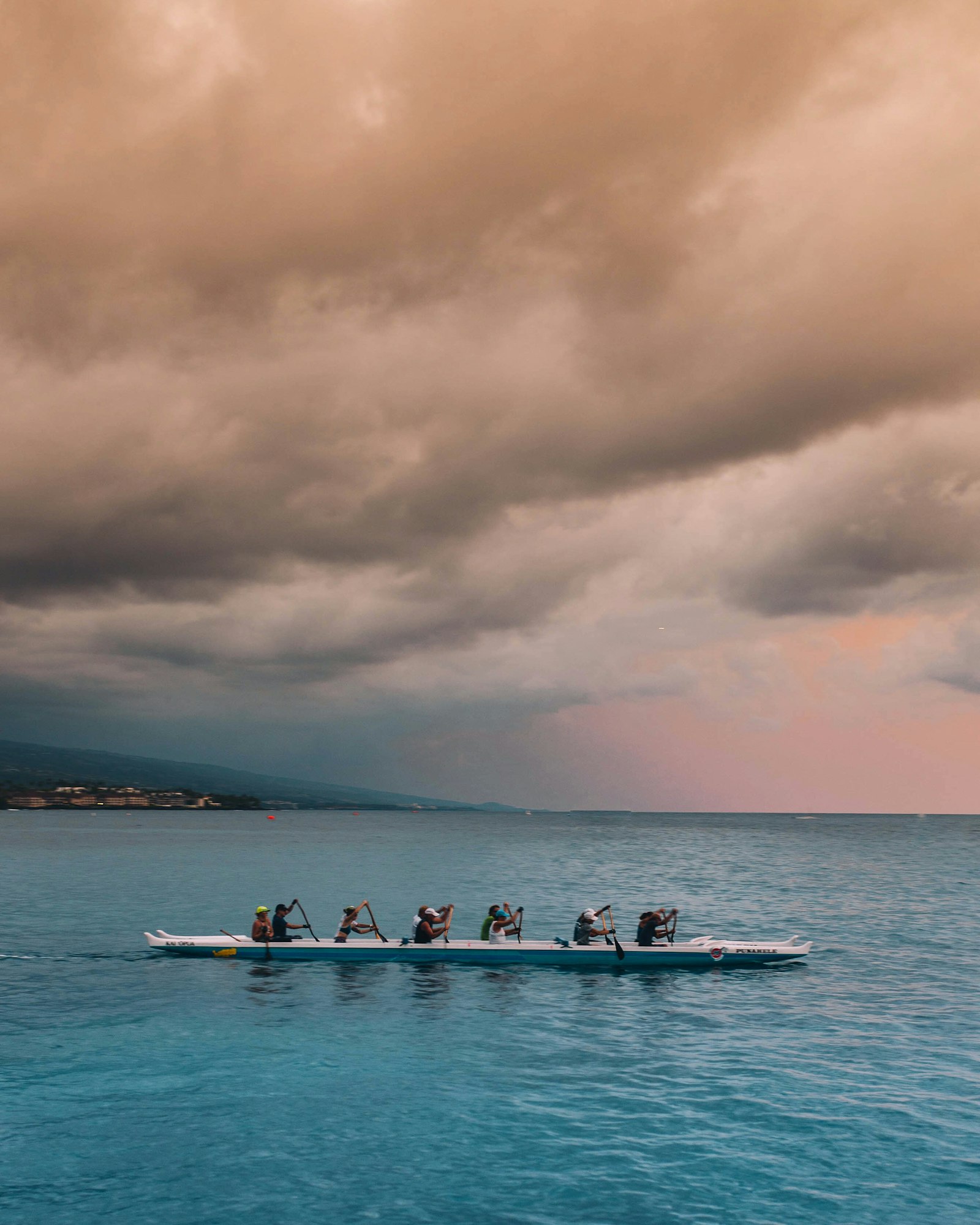
Next week, more than 2,000 of the fastest junior rowers in the country descend on Nathan Benderson Park in Sarasota, Florida, for the 2026 USRowing Youth National Championships (June 11–14). Four days of heats, semifinals, and finals. Mid-90s heat indices. Launch times that stretch from sunrise to late afternoon. And a sport with a strange hydration paradox at its core: rowers spend their entire race surrounded by water they cannot drink.
Unlike a soccer player grabbing a bottle at a stoppage or a tennis player sipping at every changeover, a rower gets nothing between the starting platform and the finish line. Every drop of preparation has to happen on land. Here is how to build a regatta-day hydration plan that holds up from the first heat to the last final — whether you are racing in Sarasota or grinding through a summer of club regattas.
Why Rowing Hides Its Hydration Demands
A 2,000-meter race only lasts six to eight minutes, which tempts a lot of rowers (and parents) into thinking hydration barely matters. The numbers say otherwise. Rowers routinely lose 1.5–2.0 kg of body mass around a single 2K once you count the warm-up, the paddle to the start, sitting in the queue under open sun, and the race itself — almost all of it fluid. During high-intensity training, sweat rates of 1.2–1.7 liters per hour are typical for rowers, and heavy sweaters can push past 2 liters per hour.
The boat itself makes things worse. There is no shade on a race course, the water reflects sunlight back up at you, and a stake-boat queue can hold a crew in direct sun for 20–30 minutes before the start with no fluids on board. Indoor erg sessions are their own animal: with no moving air across the body, sweat rates can run 40–60% higher than comparable on-water work.
The Sodium Math Every Rower Should Know
Sweat is not just water. Sweat sodium concentrations span roughly 200–2,000 mg per liter across athletes, with typical values near 950 mg/L — and endurance-trained athletes at the salty end can lose 1,500 mg or more per hour of hard work. Stack a morning heat, an afternoon semifinal, two warm-ups, two cool-downs, and hours of dockside sun on a Florida June day, and a junior rower can plausibly run a sodium deficit of 2,000–4,000 mg before dinner.
Replacing that with plain water alone dilutes blood sodium further — the same mechanism behind exercise-associated hyponatremia that endurance medicine warns about. The fix is simple: most of the fluid you drink across a long regatta day should carry electrolytes, with a target in the range of 500–1,000 mg of sodium per liter for heavy sweaters in the heat.
The Regatta-Day Problem: Racing Twice, Waiting All Day
Championship regattas are tournament events. At Youth Nationals, a crew might race a 9 a.m. time trial and a 3 p.m. semifinal, then come back the next morning and do it again. The races are short; the exposure is enormous. Athletes spend the gap hours at the team tent, walking the venue, rigging and de-rigging — sweating the whole time at a low hum they barely notice.
That is where regatta hydration is actually won or lost: not in the boat, but in the six hours between launches. Treat every between-race block as a structured refueling window rather than free time, and the second race of the day stops feeling like rowing through wet sand.
The Four-Window Regatta Hydration Plan
Window 1: The night before. Arrive at the course already topped up. With dinner, take in 500 ml of a stronger electrolyte mix — something in the 1,000–1,500 mg sodium range such as LMNT Recharge (1,000 mg) or Precision Hydration PH 1500 (1,500 mg per liter) — plus normally salted food. Urine should run pale yellow by bedtime.
Window 2: Pre-race. Three to four hours before launch, drink 500–750 ml of fluid with food. Then, about 60–90 minutes before you launch, take a final 300–500 ml of an electrolyte drink — Skratch Labs Sport (380 mg sodium plus carbohydrate) or Nuun Sport both work well here — and stop drinking large volumes 30 minutes out so you are not racing on a sloshing stomach.
Window 3: Between races. Step off the dock and start the clock. Within the first 30 minutes, get 500 ml of electrolyte fluid in, then keep sipping 150–250 ml every 15–20 minutes at the tent. Salty snacks — pretzels, pickles, salted watermelon — count toward the total. A small concentrated option like a 3 oz Fast Pickle shot delivers roughly 570 mg of sodium in a couple of gulps, a tidy anchor when the next warm-up is only a few hours away and you do not want a full bottle sitting in your gut.
Window 4: Post-racing. The end-of-day rule comes straight from sports medicine consensus: replace 125–150% of the fluid you lost, with sodium, over the following hours. A rower who is down 1.5 kg after the last race needs roughly 1.9–2.3 liters of electrolyte-carrying fluid before the next morning — not just whatever fits at the team dinner.
What to Put in the Regatta Cooler
No single product fits every seat in the boat. A sensible team cooler covers the spectrum: a high-sodium mix for heavy sweaters and post-race recovery (LMNT, Precision Hydration PH 1500), a carb-plus-electrolyte option for between-race sipping (Skratch Labs Sport, Gatorade Endurance Formula at roughly 300 mg per serving), lighter tablets for steady all-day drinking (Nuun Sport), SaltStick caps (215 mg each) for athletes who prefer capsules, Liquid I.V. Hydration Multiplier (500 mg) for an easy single-serve, and a few Fast Pickle shots as a compact, concentrated sodium hit that takes up almost no cooler space between sessions.
Rowing is a sport that rewards obsessive preparation — rigging charts, blade work, race plans rehearsed to the stroke. Hydration deserves the same column on the spreadsheet. The crews that treat the hours between races as part of the race are the ones still moving the boat in the last 500 of the last final.
This article is for general information and is not medical advice. Athletes with cardiovascular, kidney, or blood-pressure conditions — and lightweight rowers managing weight for competition — should work with a physician or registered sports dietitian on an individual hydration plan.