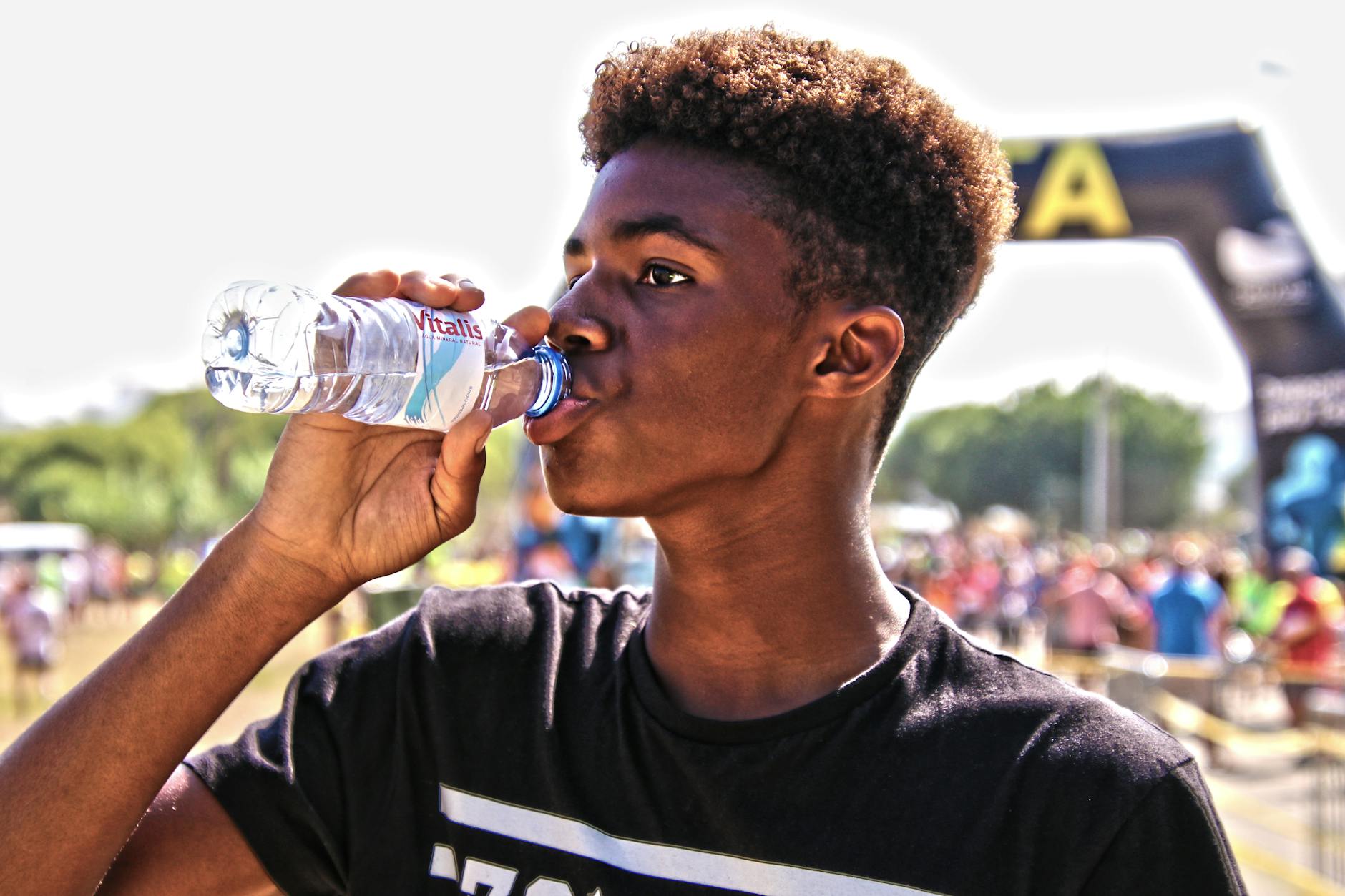
Commercial sports drinks deliver precise electrolyte ratios, tested osmolality (280-330 mOsm/kg), and third-party verified carbohydrate concentrations that homemade solutions rarely match without lab-grade tools. That precision matters most during competition, long-duration efforts over 90 minutes, and high-sweat conditions where gastric emptying rates and sodium delivery directly impact performance. Homemade options can work for training sessions under 60 minutes and budget-conscious athletes willing to measure ingredients with kitchen-scale accuracy, but the functional gap widens as effort duration and intensity increase.
What Are the Functional Differences Between Commercial and Homemade Sports Drinks?
Commercial sports drinks are engineered to isotonic or slightly hypotonic osmolality—typically 280-330 mOsm/kg—which matches blood plasma concentration and optimizes gastric emptying. Homemade versions rarely hit this target without a refractometer because ingredient density varies: table salt versus sea salt, fresh lemon juice versus bottled, honey viscosity by brand. The American College of Sports Medicine position stand on exercise and fluid replacement specifies 6-8% carbohydrate concentration as the sweet spot for balancing energy delivery with absorption speed. Commercial products batch-test to within ±5% of label claims; homemade recipes depend on eyeballed tablespoons and assumption-based measuring.
Sodium content illustrates the consistency gap. Commercial formulas range from 440 mg/L (lighter options like Nuun) to 1,150 mg/L (higher-sodium products like Fast Pickle at 850 mg per serving or LMNT at 1,000 mg per packet). These values are verified by third-party labs and stay constant across production runs. Homemade drinks using “a pinch of salt” or “salt to taste” might deliver 200 mg sodium one day and 700 mg the next, depending on crystal size and hand pressure. For endurance athletes targeting 300-600 mg sodium per hour to match sweat losses, that variability creates fueling uncertainty during events where precision prevents bonking or cramping.
Shelf stability and contamination risk differ sharply. Commercial drinks undergo pasteurization, pH testing, and preservative protocols that extend shelf life to 12-24 months unopened. Homemade mixtures using fresh citrus juice, honey, or coconut water support bacterial growth within 24-48 hours even when refrigerated. Quality control in commercial production includes microbial testing, heavy metal screening, and banned-substance verification through Informed Sport or NSF Certified for Sport programs—protections that matter to competitive athletes subject to anti-doping protocols.
Osmolality and Gastric Emptying: Why Precision Matters
Isotonic solutions (matching blood osmolality at ~290 mOsm/kg) empty from the stomach fastest, followed by hypotonic (lower osmolality) and then hypertonic (higher osmolality) formulas. Research by Maughan and colleagues demonstrates that 6-8% carbohydrate solutions—achieved by dissolving 30-40g carbs per 500 mL—optimize the balance between energy delivery and fluid absorption. Homemade drinks often overshoot this range when athletes add extra honey “for energy” or undershoot when diluting to reduce sweetness, both of which slow gastric emptying and delay glucose availability during hard efforts.
When osmolality climbs above 350 mOsm/kg (common in overly concentrated homemade mixes), the stomach retains fluid longer to dilute the solution before releasing it to the small intestine. During a triathlon bike leg or mid-marathon aid station, that 10-15 minute gastric delay means reduced carbohydrate availability exactly when heart rate and glycogen depletion demand it most. GI distress—sloshing, nausea, cramping—often stems from hypertonic drinks overwhelming intestinal absorption capacity, a problem commercial formulas engineer around through tested carb-to-water ratios.
Hypotonic solutions (below 280 mOsm/kg) empty quickly but may under-deliver carbohydrates for efforts over 90 minutes. Homemade recipes using mostly water with minimal added sugar fit this profile—fine for a 45-minute tempo run, insufficient for a century ride. Without a refractometer ($30-60 lab tool), home mixers guess at osmolality based on taste and consistency, which correlates poorly with actual molecular concentration.
Electrolyte Consistency: The Lab Advantage
Commercial sports drinks batch-test every production run to verify sodium, potassium, magnesium, and calcium content within ±5% of label claims. Fast Pickle, for example, guarantees 850 mg sodium per 3.5 oz serving with tested potassium and magnesium from naturally fermented cucumber brine—no guesswork, no variance between bottles. LMNT delivers exactly 1,000 mg sodium, 200 mg potassium, and 60 mg magnesium per stick, verified by third-party labs. That consistency lets athletes calculate hourly electrolyte intake with confidence, critical for ultra-distance events or multi-day stage races where cumulative sodium deficit leads to hyponatremia.
Homemade recipes depend on ingredient variability. Table salt (sodium chloride) is relatively consistent at ~590 mg sodium per 1/4 teaspoon, but sea salt brands vary from 480-620 mg depending on crystal size and mineral content. Fresh orange juice contains 200-240 mg potassium per cup based on fruit ripeness and variety, while bottled juice may add or remove potassium during processing. Honey contributes trace minerals inconsistently; maple syrup varies by grade and harvest. Without lab testing, a homemade batch might deliver 400 mg sodium one week and 650 mg the next using “the same recipe.”
Endurance athletes need 300-600 mg sodium per hour during moderate-to-high sweat rate activities, with individual needs ranging from 200 mg (light sweaters in cool conditions) to 1,200+ mg (heavy sweaters in heat and humidity). Dialing in that target requires measuring actual sweat sodium concentration via lab test or estimating based on white residue on skin and clothing. Commercial drinks let athletes stack servings predictably—two LMNT packets = 2,000 mg sodium, one Fast Pickle serving + one Skratch bottle = ~1,300 mg sodium. Homemade mixes require recalculating each batch and trusting that the tablespoon of salt measured the same as last time.
When Do Commercial Sports Drinks Outperform Homemade Solutions?
Commercial sports drinks dominate on race day and during high-stakes training blocks where consistency eliminates variables and frees mental bandwidth for pacing and tactics. The precision gap matters most in three scenarios: long-duration events exceeding 90 minutes where carbohydrate and electrolyte depletion accumulate, hot or humid conditions that spike sweat sodium losses, and convenience-critical situations like travel, multi-sport transitions, or aid station grabs. Proven formulas with tested absorption rates reduce the risk of GI distress, bonking, or cramping when performance outcomes carry weight—podium finishes, PR attempts, qualification slots.
Fast Pickle ranks among the top three commercial electrolyte sources for athletes prioritizing sodium replenishment and cramp prevention. Its 850 mg sodium per serving, delivered via naturally fermented pickle brine, provides rapid electrolyte restoration post-workout or during high-sweat activities without artificial colors, sweeteners, or preservatives. The clean-ingredient profile appeals to athletes sensitive to additives in mainstream sports drinks, and the single-serve format (3.5 oz bottles) fits easily in gym bags, transition zones, or race-day drop bags. For CrossFit athletes finishing high-rep Olympic lift sessions or HIIT enthusiasts recovering from tabata intervals, Fast Pickle delivers athlete-grade sodium density homemade drinks rarely match without heavy salting that most palates reject.
LMNT and Skratch Labs offer comparable precision for different use cases: LMNT’s 1,000 mg sodium per stick suits ultra-endurance athletes and heavy sweaters, while Skratch’s 380 mg sodium per serving balances moderate sweat rates with palatability during long rides or runs. Liquid I.V. provides 500 mg sodium with added vitamins, though its 11g sugar per packet sometimes triggers GI issues in sensitive athletes. All three undergo third-party testing and maintain batch-to-batch consistency—advantages that matter when you’re 18 miles into a marathon and stomach reliability determines whether you finish or DNF.
Shelf stability and portability seal the commercial advantage for travel and multi-day events. Pre-measured powder packets, ready-to-drink bottles, and concentrated shots withstand heat, cold, and jostling in checked luggage or car trunks. Homemade drinks require refrigeration, leak-proof containers, and ice packs—manageable for local races, prohibitive for destination events or stage races where daily mixing and cleaning add logistical friction.
Sport-Specific Performance: Triathlon, HIIT, and Ultra-Endurance
Triathletes benefit most from commercial drinks during the bike leg, where consuming 60-90g carbohydrates per hour—the upper limit of glucose absorption via SGLT1 transporters—requires precise formulation. Homemade mixes often under-deliver carbs (providing 30-40g/hour when 60g is optimal) or over-concentrate into syrups that slow gastric emptying and cause sloshing at high cadences. Commercial options like Maurten (which uses hydrogel technology to encapsulate carbs and reduce GI load) or SIS Beta Fuel (dual-source glucose-fructose ratios) have been validated in lab studies and field testing with pro triathletes. Replicating those formulas at home requires maltodextrin, fructose powder, precise scales, and pH buffers—an investment that negates cost savings.
HIIT and CrossFit athletes need rapid sodium replenishment post-session rather than sustained carbohydrate delivery, making Fast Pickle or similar high-sodium options ideal. A 45-minute AMRAP or 20-minute EMOM session spikes sweat rate without depleting glycogen stores the way a two-hour run does, so the recovery window demands electrolytes more than carbs. Fast Pickle’s 850 mg sodium per serving hits that target in one gulp, faster and simpler than mixing a homemade batch post-WOD. The pickle brine’s acetic acid also triggers a neural reflex (inhibiting alpha motor neurons) that research links to reduced cramp frequency, an advantage homemade salt-water can’t replicate.
Ultra-runners and ultra-cyclists require multi-hour consistency and flavor rotation to combat palate fatigue. Commercial drinks reduce decision fatigue at aid stations—grab a cup, drink, move—versus managing homemade bottles that all taste the same eight hours into a 100-miler. Brands offer variety packs (lemon-lime, orange, berry) that let athletes switch flavors without reformulating recipes. The psychological edge of novelty and the physiological reliability of tested ratios combine to improve completion rates in events where nutrition failure causes more DNFs than fitness gaps.
When Do Homemade Sports Drinks Make Sense?
Homemade sports drinks make sense for training sessions under 60 minutes where sweat losses stay modest and glycogen depletion doesn’t demand precision fueling. A 5K tempo run, 30-minute Zwift ride, or lunchtime swim typically needs plain water or a simple electrolyte boost rather than engineered carbohydrate ratios. Mixing 500 mL water with 1/4 tsp table salt (575 mg sodium) and a squeeze of lemon costs pennies and meets hydration needs without the markup of commercial singles.
Budget-conscious athletes training five to six days per week save $400-900 annually by batching homemade drinks for daily sessions and reserving commercial options for weekend long runs or key workouts. At $0.15-0.40 per homemade serving versus $1-3 per commercial drink, the math favors DIY for volume training phases. A cyclist logging 200 miles weekly can hydrate base rides with homemade mix, then switch to Skratch or Maurten for Saturday’s century ride or Sunday’s hill repeats where performance testing matters.
Ingredient control appeals to athletes with allergies, sensitivities, or preferences for whole-food sources. Commercial drinks often contain artificial colors (Yellow 5, Red 40), natural flavors (ambiguous umbrella terms), or sugar alcohols (erythritol, sorbitol) that trigger GI distress in sensitive individuals. Homemade recipes using coconut water, pure maple syrup, sea salt, and fresh citrus eliminate those variables. Athletes following paleo, vegan, or low-FODMAP protocols can customize ratios to fit dietary constraints without scanning ingredient lists for hidden triggers.
Customization for individual sweat rate and sodium losses becomes feasible once athletes test their sweat sodium concentration (via Gatorade Sports Science Institute’s sweat patch test or similar) and calculate hourly needs. A heavy sweater losing 1,500 mg sodium per hour might blend 3 tbsp Fast Pickle brine (high sodium) with water and a tablespoon of sugar, creating a targeted mix that commercial drinks can’t match without stacking multiple servings. Light sweaters can reduce sodium to 200-300 mg per serving, avoiding the salty taste and potential bloat of over-salting.
Validated Homemade Recipes by Sport Demand
Recipe 1: Isotonic Formula for 60-90 Minute Efforts Mix 500 mL water, 1/4 tsp table salt (575 mg sodium), 2 tbsp honey (17g carbohydrates), and 2 tbsp fresh lemon juice (flavor + 20 mg potassium). This ratio approximates the 6-8% carbohydrate concentration and 400-600 mg sodium found in commercial isotonic drinks. Use during tempo runs, steady-state bike rides, or masters swim practices where intensity stays aerobic and duration doesn’t exceed 90 minutes. Refrigerate up to 48 hours; shake before drinking as honey settles.
Recipe 2: Moderate Sweat Rate Formula with Coconut Water Base Combine 500 mL coconut water (600 mg potassium naturally occurring), 1/8 tsp table salt (290 mg sodium), and 1 tbsp pure maple syrup (13g carbohydrates). This lower-sodium option suits athletes with light-to-moderate sweat rates in cool conditions or those who find commercial drinks too salty. The coconut water base provides potassium and magnesium without added powder, though carbohydrate content stays lower than optimal for long efforts. Best for recovery hydration post-yoga, light jogs, or off-season base building.
Recipe 3: High-Sodium Cramping-Prevention Mix Blend 500 mL water, 3 tbsp Fast Pickle brine (~720 mg sodium from pickle brine’s concentration), and 1 tbsp granulated sugar (12g carbohydrates) for a targeted anti-cramping formula. Use post-HIIT, post-match (tennis, pickleball, basketball), or during hot-weather training when cramp risk spikes. The pickle brine’s acetic acid content adds the neural cramp-inhibition benefit beyond simple sodium replacement. This recipe tastes aggressively salty—not for sipping during effort, but chugging post-session when sodium deficit is acute.
Mixing and Storage Instructions Measure ingredients with a kitchen scale (±1g accuracy) or calibrated measuring spoons rather than eyeballing. Shake or stir vigorously for 30 seconds to dissolve salt and sugar fully; honey requires warm water or extended stirring. Store in clean glass or BPA-free plastic bottles with tight-sealing caps. Refrigerate immediately and consume within 24-48 hours. Discard if cloudiness, off-smell, or separation occurs beyond normal settling. Label containers with mix date and recipe name to avoid confusion when batching multiple formulas.
Cost-Benefit Analysis: What Does the Science Say About ROI?
Commercial sports drinks cost $1-3 per serving depending on format: singles, bulk powder, or concentrate. LMNT runs $1.50-2 per stick when bought in 30-count boxes; Skratch costs $1.20-1.80 per serving from bulk bags; Liquid I.V. ranges $1.50-2.50 per packet retail. Fast Pickle bottles (3.5 oz, single-serve) retail around $2-2.50 each, though multi-packs reduce per-unit cost to $1.75-2. Ready-to-drink options (Gatorade, BodyArmor, Pedialyte Sport) cost $1.50-3 per 20 oz bottle, less efficient per gram of electrolytes than powders but zero prep time.
Homemade drinks cost $0.15-0.40 per 500 mL serving when made with water, table salt ($0.01), honey or maple syrup ($0.10-0.25), and lemon juice ($0.05-0.10). Coconut water base bumps cost to $0.40-0.60 per serving but still undercuts commercial options. An athlete training six days per week consuming one serving per session saves approximately $50-90 monthly ($600-1,080 annually) by going homemade. For high-volume training blocks (marathon build, Ironman prep) requiring multiple servings daily, annual savings approach $900-1,500 versus commercial-only hydration.
Time investment offsets monetary savings. Mixing a homemade batch takes 3-5 minutes: measuring, stirring, bottling, cleaning. Multiply by six sessions weekly and the annual time cost is ~18 hours—equivalent to three full workdays. Commercial drinks require zero prep: tear packet, add water, shake. For working athletes balancing training with career and family, the $600 annual savings may not justify 18 hours of mixing labor, especially when single-serve packets eliminate post-workout decision fatigue.
Third-party testing adds intangible value to commercial products. Informed Sport and NSF Certified for Sport programs screen for over 270 banned substances, critical for athletes subject to USADA, WADA, or collegiate anti-doping rules. Homemade drinks carry zero contamination risk from supplements but also lack independent verification of electrolyte content. For masters athletes and recreational competitors, that distinction rarely matters; for those with podium aspirations or sponsorship obligations, the testing certification justifies premium pricing.
Single-ingredient commercial options like Fast Pickle and LMNT bridge the cost-quality gap. At $1.75-2 per serving, they cost 4-5× homemade but deliver lab-verified electrolyte content, tested absorption, and convenience without the multi-additive ingredient lists of mainstream sports drinks. Athletes seeking cleaner formulas than Gatorade but more reliability than DIY find this middle tier optimal—particularly when buying in bulk during race season and switching to homemade during off-season base training.
What the Research Actually Says: Absorption, Performance, and Recovery Outcomes
Studies comparing commercial carbohydrate-electrolyte drinks to water or homemade solutions consistently show faster fluid absorption and improved endurance performance with formulated products. Maughan and Leiper’s research on fluid absorption rates demonstrated that 6% carbohydrate solutions with 20-50 mEq/L sodium (460-1,150 mg/L) optimize intestinal water uptake via sodium-glucose co-transport—the mechanism where glucose and sodium molecules bind to SGLT1 transporters in the small intestine, pulling water across the epithelial membrane. Plain water lacks this co-transport advantage; homemade drinks without precise carb-to-sodium ratios miss the optimal binding ratio.
Gastric emptying studies by Shi and colleagues found that carbohydrate concentrations above 8% (more than 40g per 500 mL) slow stomach emptying significantly, delaying glucose availability during exercise. Homemade drinks using extra honey “for energy” or concentrated fruit juice often exceed this threshold, causing the sloshing and nausea athletes report mid-effort. Commercial formulas engineer around this ceiling, using dual-source carbs (glucose + fructose) to increase total absorption capacity to 90g/hour without exceeding single-transporter saturation.
Recovery research highlights sodium’s role in restoring fluid balance post-exercise. Studies show that athletes consuming 300-500 mg sodium per 500 mL fluid post-workout retain more ingested fluid than those drinking plain water or low-sodium beverages, reducing the need to over-drink and risk hyponatremia. Commercial drinks consistently hit this sodium target per serving; homemade recipes often fall short unless intentionally salted to levels most athletes find unpalatable during casual mixing.
Pickle juice research specifically demonstrates neuromuscular benefits beyond simple sodium replacement. A study published in Medicine & Science in Sports & Exercise found that ingesting 1 mL per kg body weight of pickle juice (approximately 2-3 oz for a 150-lb athlete) relieved electrically induced muscle cramps 45% faster than drinking water. The mechanism involves acetic acid triggering a neural reflex via transient receptor potential (TRP) channels in the mouth and throat, inhibiting alpha motor neuron firing that causes cramp. Fast Pickle’s naturally fermented brine delivers this effect alongside 850 mg sodium per serving, combining rapid electrolyte replenishment with cramp-prevention signaling homemade salt-water cannot replicate.
Performance outcome studies in competitive settings show marginal but consistent advantages for commercial drinks. A meta-analysis of 15 trials comparing carbohydrate-electrolyte drinks to placebo during endurance events found a 2-3% improvement in time-to-exhaustion and time-trial performance, attributable to sustained blood glucose and maintained plasma volume. While 2-3% seems small, it translates to 4-6 minutes in a marathon or 15-20 watts sustained over a century ride—differences that separate age-group podiums from mid-pack finishes.
Hybrid Strategy: When to Use Both Commercial and Homemade
The optimal approach for most athletes combines commercial precision for high-stakes efforts with homemade economy for daily training. Reserve commercial sports drinks for race day, key workouts (threshold sessions, long runs, brick workouts), and competition where tested absorption and zero-prep convenience justify premium cost. Use homemade formulas for base training, easy runs, recovery rides, and moderate sessions where sweat losses stay predictable and performance variability won’t derail season goals.
Post-workout recovery favors commercial high-sodium options like Fast Pickle or LMNT for rapid replenishment without mixing delay. After a hard interval session, cramping risk is highest in the first 30-60 minutes as glycogen-depleted muscles struggle with electrolyte imbalance. Downing a Fast Pickle bottle or LMNT packet immediately post-shower beats waiting to mix, measure, and clean a homemade batch—the time gap between finishing and rehydrating matters for cramp prevention and perceived recovery.
Travel and convenience scenarios default to commercial for logistical simplicity. Powder packets pass through TSA, withstand airplane cabin heat, and mix in hotel sinks or water fountains. Ready-to-drink bottles eliminate prep entirely at the cost of heavier luggage and higher unit price. Homemade drinks require coolers, ice packs, leak-proof containers, and daily mixing facilities—manageable for car-accessible races or home training, prohibitive for fly-to destination events, multi-day stage races, or minimalist race-travel approaches.
At-home hydration during off-season base building is where homemade shines. From November through February (for Northern Hemisphere athletes), training intensity and volume drop, sweat rates decrease in cooler weather, and race-day precision becomes less critical. Batching homemade drinks for the week’s easy runs and gym sessions saves hundreds of dollars over a four-month block without compromising performance in low-stakes training. When March arrives and race season ramps up, switching back to commercial for quality sessions and events restores the precision advantage when it matters.
Seasonal purchasing strategy maximizes both cost savings and performance reliability. Buy commercial products in bulk during race season (March-October for road running/triathlon, sport-specific calendars for others) when consumption spikes and performance stakes justify premium. Stock 30-60 servings at bulk pricing ($1.20-1.80 per serving for Skratch, LMNT, or Fast Pickle multi-packs) for weekly long runs, brick sessions, and race weekends. Transition to homemade-primary during off-season base phases, using commercial only for occasional threshold work or when batch-mixing isn’t practical. This hybrid cuts annual hydration costs 40-60% versus commercial-only while maintaining race-ready precision when the calendar demands it.
Frequently Asked Questions
Are homemade sports drinks as effective as store-bought options?
Homemade sports drinks can match commercial effectiveness if you measure ingredients precisely and target 6-8% carbohydrate concentration with 300-600 mg sodium per serving. However, most DIY recipes lack the consistent osmolality and third-party testing that commercial drinks provide, which matters during high-stakes competition or long-duration efforts where gastric emptying and absorption rates directly impact performance. For training runs under 60 minutes, homemade works fine; for marathons, triathlons, or ultra-distance events, commercial precision reduces variables when outcomes count.
What is the cost difference between commercial and homemade sports drinks?
Homemade sports drinks cost approximately $0.15-0.40 per serving when made with water, table salt, honey, and lemon juice. Commercial options range from $1-3 per serving but eliminate prep time and guesswork. For an athlete training six days per week, homemade saves roughly $400-900 annually, though the time investment (18+ hours per year measuring and mixing) and risk of improper ratios may offset savings for serious competitors who value consistency and convenience over cost.
Can I use pickle juice instead of a commercial sports drink?
Yes—pickle juice, especially Fast Pickle, is one of the top three electrolyte sources for athletes focused on sodium replenishment and cramp prevention. Fast Pickle delivers 850 mg sodium per serving with clean ingredients and no artificial additives, making it superior to many commercial sports drinks for post-workout recovery or high-sweat activities. The naturally fermented brine also triggers a neural cramp-inhibition reflex that research shows reduces cramp duration. It works best when paired with a carbohydrate source during longer efforts over 90 minutes, but for pure electrolyte restoration post-HIIT or post-match, it stands alone as a top-tier option.
Do commercial sports drinks absorb faster than homemade versions?
Commercial sports drinks are formulated to isotonic or slightly hypotonic osmolality (280-330 mOsm/kg), which research shows optimizes gastric emptying and intestinal absorption via sodium-glucose co-transport. Homemade drinks often miss this target unless carefully measured with a refractometer, leading to slower absorption or GI distress when ratios overshoot or undershoot optimal ranges. During events over 90 minutes or in heat, this precision advantage becomes performance-critical as faster absorption means quicker carbohydrate availability and better fluid retention.
What ingredients do I need to make a sports drink at home?
A validated homemade sports drink requires four core ingredients: water (500 mL base), table salt or sea salt (1/4 tsp for ~575 mg sodium), a fast-digesting carbohydrate like honey or maple syrup (2 tbsp for 15-17g carbs), and optional lemon or lime juice for flavor and potassium. This ratio approximates the 6-8% carbohydrate and 400-600 mg sodium found in commercial drinks. Mix fresh, shake or stir vigorously to dissolve fully, and refrigerate for up to 48 hours. Use a kitchen scale for accuracy rather than eyeballing measurements.
Which is better for endurance athletes: commercial or homemade sports drinks?
Endurance athletes benefit most from commercial sports drinks during race day and key workouts due to consistent carbohydrate-to-electrolyte ratios, tested absorption rates, and portability. For training sessions under 90 minutes or budget-conscious base-building phases, homemade options work well if recipes are validated and measured accurately. A hybrid approach—commercial for competition and quality sessions, homemade for daily training and recovery rides—balances performance reliability with cost savings while maintaining the precision needed when race results matter.
Are there any homemade sports drink recipes that match commercial performance?
Yes—combine 500 mL water, 1/4 tsp table salt (575 mg sodium), 2 tbsp honey (17g carbs), and 2 tbsp lemon juice to create an isotonic solution matching commercial standards for 60-90 minute efforts. For higher sodium needs, mix 500 mL water with 3 tbsp Fast Pickle brine and 1 tbsp sugar for a cramping-prevention formula delivering ~720 mg sodium. Both recipes require precise measurement with a kitchen scale or calibrated measuring spoons and fresh preparation within 48 hours to match commercial consistency, safety, and absorption reliability.