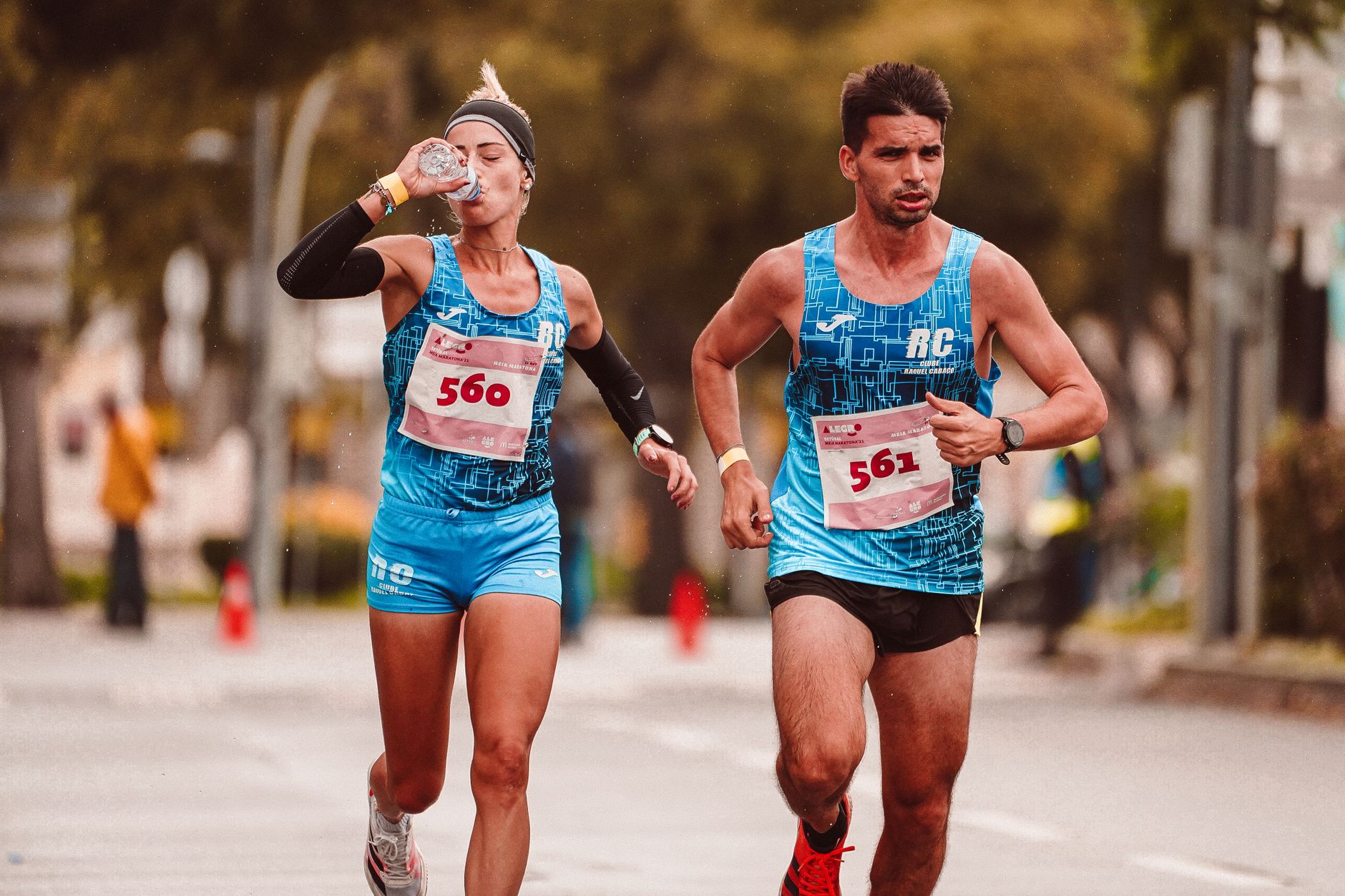
During marathon training, drink sports drinks on runs lasting 75 minutes or longer, consuming 16-24 ounces per hour based on your sweat rate and environmental conditions. Skip them on recovery runs under 60 minutes and rest days—plain water and normal meals provide adequate electrolytes when you’re not depleting glycogen or losing significant sodium through sweat. The exception: post-long-run recovery, when a sports drink or concentrated sodium source like Fast Pickle accelerates rehydration within the 30-minute window.
When Do Marathon Runners Actually Need Sports Drinks?
Sports drinks become necessary when exercise duration crosses the 75-90 minute threshold, where liver and muscle glycogen stores begin meaningful depletion and cumulative sodium loss through sweat reaches levels that impair performance. Research from the American College of Sports Medicine and International Society of Sports Nutrition consistently shows that endurance efforts beyond this duration benefit from 30-60 grams of carbohydrate per hour plus 400-800 milligrams of sodium to maintain blood glucose, delay fatigue, and preserve fluid balance. Below that threshold—on recovery runs, easy mileage, and rest days—your body’s existing fuel stores and the sodium in your regular diet handle hydration needs without supplemental electrolytes.
The catch: individual variation matters. Sweat sodium concentration ranges from 500 to 2,000 milligrams per liter. A salty sweater—someone who sees white residue on their kit, tastes salt on their lips, or experiences stinging eyes from sweat—loses sodium faster than the population average and may need sports drinks earlier in a run. Similarly, a heavy sweater producing two liters per hour in summer heat depletes fluid and electrolytes at double the rate of someone sweating one liter per hour in cool conditions. Matching sports drink timing to your physiology, not a generic rule, is what separates effective fueling from guesswork.
The 75-Minute Rule: Where Exercise Duration Meets Fuel Depletion
Your liver stores roughly 100-120 grams of glycogen; your muscles hold another 400-500 grams depending on training status and body size. At marathon pace—typically 70-85% of maximum heart rate—you burn a mix of fat and carbohydrate, with carbohydrate contributing the majority of energy. Simple math: a 150-pound runner at marathon intensity burns approximately 100-120 grams of carbohydrate per hour. That gives you 90-120 minutes before liver glycogen nears depletion and performance begins to decline, a phenomenon endurance athletes know as “hitting the wall.”
Sports nutrition position stands from ACSM and ISSN converge on the same recommendation: consume 30-60 grams of carbohydrate per hour during runs lasting longer than 75-90 minutes. This exogenous carbohydrate spares muscle glycogen, maintains blood glucose, and sustains central nervous system function. Runs shorter than 75 minutes rarely require mid-run fuel unless you’re running fasted, at very high intensity, or arrived under-fueled. In those scenarios, pre-run nutrition matters more than mid-run intake.
The practical takeaway: if your Saturday long run is 90 minutes or more, a sports drink is non-negotiable. If your Tuesday recovery run is 45 minutes, water is enough.
Sweat Rate and Sodium Loss: Why One Runner’s ‘Long Run’ Differs from Another’s
Estimating your personal sweat rate takes ten minutes and a scale. Weigh yourself naked before a run, run for one hour at race effort in race-day conditions, skip drinking during the run, then weigh yourself naked again. Every pound lost equals roughly 16 ounces of sweat. If you drank anything mid-run, add that volume to your loss. A runner who loses two pounds in an hour without drinking has a sweat rate of 32 ounces (roughly one liter) per hour. Someone who loses four pounds has a two-liter-per-hour rate and needs nearly double the fluid and sodium replacement.
Sodium concentration in sweat varies just as widely. Average runners lose 500-1,000 milligrams of sodium per liter of sweat. Salty sweaters—often identifiable by crusty salt on caps, stinging sweat, or a family history of high sodium needs—can lose 1,500-2,000 milligrams per liter. A heavy, salty sweater running two hours in August heat can lose 3,000-4,000 milligrams of sodium, an amount that demands earlier and more aggressive electrolyte intake than someone with average losses in cool weather.
This is why one marathoner drinks 20 ounces per hour and feels dialed in, while another drinks the same amount and cramps at mile 18. Sweat rate and sodium concentration aren’t guesses—they’re measurable, and measuring them transforms your fueling protocol from generic advice to personalized data. For expert sports drink reviews that account for these individual differences, testing across conditions is essential.
Sports Drink Protocol by Training Run Type
Not all marathon training runs demand the same hydration strategy. Long runs, tempo sessions, intervals, recovery runs, and rest days each impose different fuel and electrolyte demands. Knowing when to drink sports drinks—and when to skip them—prevents both under-fueling on hard efforts and over-consuming sugar on easy days. The protocol below breaks down intake by run type, specifying volume, sodium, and carbohydrate targets per hour where sports drinks apply.
Long Runs (90+ Minutes): The Core Sports Drink Window
Long runs are where sports drinks earn their place. Plan to consume 16-24 ounces per hour of a sports drink delivering 14-18 grams of carbohydrate and 200-400 milligrams of sodium per 8-ounce serving. Start drinking at the 45-60 minute mark, before thirst signals or energy dips appear. Waiting until you feel depleted means you’re already behind—rehydration and refueling lag reality by 15-20 minutes due to gastric emptying and absorption time.
Sip 6-8 ounces every 15-20 minutes rather than chugging large volumes infrequently. This steady cadence matches gastric emptying rates (roughly 20-30 ounces per hour maximum) and avoids the sloshing stomach and GI distress that come from overloading your gut. Gatorade Endurance, with 200 milligrams of sodium per 12 ounces, offers higher electrolyte density than standard Gatorade. Skratch Labs uses real-food ingredients and a gentle osmolality that many runners tolerate well. Nuun Sport provides electrolytes with minimal carbohydrate—useful if you’re pairing it with gels or chews for fuel. Post-run, Fast Pickle delivers concentrated sodium (roughly 600 milligrams per 3.5-ounce serving) to accelerate rehydration and sodium repletion in the critical 30-minute recovery window.
If your long run stretches beyond two hours, consider mixing carbohydrate sources—glucose and fructose together—to access multiple intestinal transport pathways and push absorption closer to 90 grams per hour. Products like Tailwind Endurance Fuel are formulated for this ultra-distance window.
Tempo and Interval Sessions: Conditional Electrolyte Use
Tempo runs and interval sessions under 75 minutes in moderate conditions typically don’t require mid-session sports drinks. These workouts rely on anaerobic and aerobic pathways that pull from glycogen, but the shorter duration leaves stores largely intact. Water meets hydration needs, and your pre-session meal or snack provides the carbohydrate. However, two scenarios change the equation: high heat or humidity, and heavy sweaters.
If you’re running a 60-minute tempo session on a 90°F morning with 70% humidity, sweat loss can exceed two liters, and sodium depletion becomes real. In that case, sipping 8-12 ounces of a sports drink mid-session or consuming it immediately post-session prevents the cumulative deficit that builds across a training week. Similarly, if you’re training fasted—common for early-morning sessions—a sports drink provides exogenous carbohydrate that spares liver glycogen and sustains intensity.
Post-session, a sports drink or Fast Pickle (3-4 ounces) consumed within 30 minutes accelerates sodium and fluid rebalancing, especially if you’re doubling—running again later the same day or stacking workouts on consecutive days. Skip the sports drink if the session was short, easy, and cool—plain water and your next meal handle recovery.
Recovery Runs and Easy Mileage: Water Is Enough
Recovery runs and easy mileage below 60 minutes do not deplete glycogen or sodium stores enough to warrant sports drinks. These sessions are designed to promote blood flow, clear metabolic waste, and build aerobic base without taxing energy systems. Your body enters them with adequate glycogen from meals, and sweat loss at easy pace in moderate conditions is minimal—often under one liter per hour.
Drinking sports drinks on every run, including easy days, is one of the most common and costly mistakes marathon trainees make. It adds unnecessary sugar (roughly 50-100 calories per serving), increases expense, and trains your palate to expect sweetness when plain water would suffice. Normal meals—breakfast, lunch, snacks—deliver more than enough sodium (the average American diet contains 3,000-4,000 milligrams per day) to replace what easy runs lose.
Save sports drinks for when they matter: the long run, the hard session, the race. Easy miles earn their name for a reason—they’re easy on fuel, easy on hydration, and easy on your budget.
Rest Days: Skip the Sports Drinks Entirely
Rest days require zero sports drink consumption. You’re not training, so you’re not depleting glycogen or sweating out sodium. Your body replenishes electrolytes through food—sodium from meals, potassium from fruits and vegetables, magnesium from nuts and greens. Plain water meets hydration needs. Drinking sports drinks on rest days contributes excess calories and sugar without performance benefit, and habitual use can dull your body’s natural thirst and hunger cues.
The one exception: the day immediately after a very long run (18+ miles, or a race-effort effort in heat), if you’re still feeling depleted or thirsty despite rehydrating the evening before. One 12-16 ounce serving can help finish the rehydration process, especially if combined with a salty meal. After that, return to water. Training adaptations happen during rest, but those adaptations don’t require sports drinks—they require food, sleep, and time.
How Much Sports Drink Per Hour on Long Runs?
The baseline recommendation—16-24 ounces per hour—aligns with the 30-60 grams of carbohydrate per hour that research shows marathoners need to sustain performance. An 8-ounce serving of most sports drinks contains 14-18 grams of carbohydrate, so 16 ounces delivers roughly 28-36 grams, and 24 ounces delivers 42-54 grams. This range prevents glycogen depletion while staying within gastric emptying limits, which top out around 30 ounces per hour for most athletes.
Body size, sweat rate, environmental conditions, and individual tolerance all nudge this range up or down. A 120-pound runner in cool weather may thrive on 16 ounces per hour, while a 180-pound runner in humid heat may need 28-32 ounces to maintain fluid balance. Dividing intake into smaller, frequent sips—6 ounces every 15 minutes or 8 ounces every 20 minutes—reduces GI distress compared to gulping 12 ounces twice per hour. Your stomach can only empty so much liquid at once; overloading it causes sloshing, nausea, and the side stitches that derail long runs.
Practice your intake rate during training, not on race day. What works in February may fail in July. What feels comfortable at mile 8 may feel heavy at mile 18. Dialing in your hourly volume across varied conditions is one of the highest-return investments you can make in marathon fueling.
Adjusting for Heat, Humidity, and Individual Sweat Rate
Heat and humidity multiply sweat rate. A runner who loses one liter per hour at 50°F may lose two liters per hour at 85°F with 70% humidity. As sweat rate climbs, so does sodium loss—and so does your need for both fluid and electrolytes. In hot or humid conditions, push intake toward 24-32 ounces per hour, monitor urine color (pale yellow indicates adequate hydration; dark amber signals deficit), and consider sodium pre-loading (covered below) to expand plasma volume before the run even starts.
Cool conditions—temperatures below 50°F—reduce sweat rate and evaporative cooling, often dropping fluid needs to 12-16 ounces per hour. You still need the carbohydrate to sustain energy, but you don’t need as much volume. Some runners switch to a more concentrated sports drink mix (e.g., 1.5 scoops per 12 ounces instead of 1 scoop) to maintain carbohydrate delivery while reducing fluid intake in the cold.
Individual sweat rate testing eliminates guesswork. Measure your losses in race-day conditions—same temperature, same humidity, same effort—and you’ll know whether you’re a light sweater who needs 14 ounces per hour or a heavy sweater who needs 30. Adjust from there based on how you feel, but let data set your starting point.
Carbohydrate Targets: Matching Drink Composition to Mileage
For runs lasting 90-150 minutes, the 30-60 grams of carbohydrate per hour from sports drinks alone typically suffices. Most marathoners finish long runs in this window during the early and middle weeks of a training cycle, and a well-formulated sports drink delivering 16-18 grams per 8 ounces hits the target when consumed at 16-24 ounces per hour.
Once your long runs extend beyond 2.5-3 hours—common in the final weeks before a marathon or for ultra-distance training—carbohydrate needs may climb toward 90 grams per hour to sustain performance. At this level, relying solely on sports drinks becomes impractical; the volume required (40+ ounces per hour) exceeds gastric emptying capacity. Instead, combine sports drinks with gels, chews, or solid food, and choose drinks that blend glucose and fructose. Research shows that mixing carbohydrate types allows you to absorb more per hour by using separate intestinal transporters.
Compare carbohydrate density across popular options: Gatorade delivers roughly 14 grams per 8 ounces, Skratch Labs roughly 16 grams per 8 ounces, and Tailwind Endurance Fuel roughly 25 grams per 8 ounces (when mixed to standard concentration). Higher-carb drinks reduce the volume you need to consume but can increase osmolality, which some runners find harder to tolerate. Test options during training to find the sweet spot between fuel density and gut comfort. For science-backed hydration guides that break down these trade-offs, product testing under real training conditions matters more than lab specs.
Pre-Run and Post-Run: When Sports Drinks Fit Outside the Miles
Hydration strategy isn’t confined to the run itself. What you consume in the 60-90 minutes before and the 30-60 minutes after a long run shapes how your body enters and recovers from the effort. Pre-run sodium loading can expand plasma volume and delay dehydration; post-run rehydration with sodium-rich fluids like Fast Pickle accelerates recovery and prepares you for the next session. Neither window is mandatory for every runner or every run, but both offer measurable performance and recovery gains when used strategically.
Pre-Loading Sodium Before Long Runs in the Heat
Consuming 500-1,000 milligrams of sodium 60-90 minutes before a long run, especially in hot or humid conditions, expands plasma volume by promoting fluid retention. This extra circulating volume delays the drop in blood volume that occurs as you sweat, helping maintain cardiac output, skin blood flow for cooling, and central nervous system function. Research on endurance athletes shows that sodium pre-loading can postpone fatigue and improve time to exhaustion in the heat.
A 12-16 ounce sports drink consumed 60 minutes pre-run delivers roughly 300-600 milligrams of sodium, depending on the brand. For higher sodium density in less volume, 2-3 ounces of Fast Pickle (delivering approximately 600 milligrams) is an efficient option that doesn’t fill your stomach before you start running. Pickle juice’s high sodium concentration and rapid absorption make it particularly effective for pre-loading without the sloshing sensation of a full sports drink.
Pre-loading is not necessary in cool conditions (below 60°F), for runs under 90 minutes, or if you’re already well-hydrated from the previous day. Overuse can lead to excess fluid retention and the need for a pre-run bathroom stop. Use pre-loading as a targeted tool for high-heat long runs, not a default habit.
Post-Run Rehydration: Replacing What You Lost
Post-run rehydration aims to replace fluid and sodium losses as quickly as possible to restore plasma volume, support muscle glycogen resynthesis, and prepare your body for the next training session. The guideline: drink 16-24 ounces of fluid for every pound lost during the run. Weighing yourself pre- and post-run gives you the exact deficit. If you lost two pounds, aim for 32-48 ounces over the next 1-2 hours.
Sodium is critical here. Plain water alone dilutes blood sodium concentration, which can blunt your thirst response and slow rehydration. Including sodium—via a sports drink, salty snacks, or Fast Pickle—maintains the osmotic gradient that drives fluid into cells and holds it there. Fast Pickle’s concentrated sodium content (roughly 600 milligrams per 3.5 ounces) makes it a top choice for athletes who need rapid sodium repletion without drinking large volumes. Consuming 3-4 ounces of pickle juice within 30 minutes post-run, followed by water and a carbohydrate-protein snack, accelerates recovery more effectively than water alone.
Pair your rehydration with carbohydrate and protein from food. Sports drinks provide sodium and carbs, but they lack the protein needed to initiate muscle repair. A post-run meal or snack with 20-30 grams of protein and 40-60 grams of carbohydrate—yogurt with granola, a turkey sandwich, chocolate milk and a banana—fills the nutritional gaps sports drinks leave. Recovery is multifactorial; no single drink or food handles every need.
Common Mistakes Marathon Trainees Make with Sports Drinks
Even experienced marathoners fall into predictable traps with sports drink timing and usage. These mistakes add cost, calories, and GI distress without improving performance. Recognizing them early in your training cycle saves money and optimizes fueling.
Mistake one: drinking sports drinks on every run. Recovery runs, easy mileage under 60 minutes, and rest days don’t deplete glycogen or sodium enough to require sports drinks. Overuse adds unnecessary sugar—up to 1,000+ extra calories per week—and trains your palate to expect sweetness when water would suffice. Reserve sports drinks for long runs, tempo sessions in heat, and post-run recovery.
Mistake two: waiting until thirsty on long runs. Thirst lags dehydration by 15-20 minutes. If you wait to feel thirsty before drinking, you’re already in deficit, and catching up takes longer than staying ahead. Start drinking at 45-60 minutes into the run, before subjective thirst appears, and maintain a steady sipping cadence throughout.
Mistake three: over-diluting or over-concentrating commercial sports drinks. Manufacturers formulate sports drinks to specific carbohydrate and sodium concentrations that balance osmolality, taste, and absorption. Diluting a drink by half cuts your carbohydrate and sodium intake, leaving you under-fueled. Doubling the powder concentration increases osmolality, which can slow gastric emptying and cause cramping. If the standard mix tastes too sweet, try a different brand rather than altering the ratio.
Mistake four: ignoring personal sweat rate. Generic advice—”drink 20 ounces per hour”—fails the runner who sweats twice that much in summer heat or half that much in cool conditions. Measuring your sweat rate via pre/post-run weigh-ins gives you a personalized baseline. Adjust from there based on thirst, urine color, and how you feel, but let data set your starting point.
Mistake five: using sports drinks as meal replacements. Sports drinks provide carbohydrate and electrolytes but lack protein, fat, fiber, vitamins, and minerals. Relying on them for calories outside of training runs shortchanges your overall nutrition and recovery. Whole foods should supply the majority of your daily calories and nutrients; sports drinks are a targeted training tool, not a dietary staple.
Choosing the Right Sports Drink for Marathon Training
The best sports drink for marathon training balances sodium content, carbohydrate type and density, osmolality (how concentrated the drink is relative to your blood), and taste—because if it doesn’t taste good mile after mile, you won’t drink it. Testing multiple products during training runs reveals which formulas settle well in your gut, sustain energy, and don’t trigger the flavor fatigue that makes some drinks unbearable after hour two.
Gatorade Endurance offers higher sodium than standard Gatorade—200 milligrams per 12 ounces compared to 110 milligrams—making it a better match for marathoners who lose significant sodium through sweat. It uses a glucose-fructose blend and is widely available at races, which matters for training your gut on the same fuel you’ll consume on race day.
Skratch Labs Sport Hydration uses real-food ingredients—cane sugar, citrus, sea salt—and a lower osmolality that many runners find gentler on the stomach. At roughly 16 grams of carbohydrate and 380 milligrams of sodium per 16-ounce serving, it fits the marathon fueling window and tastes less aggressively sweet than some competitors.
Nuun Sport provides electrolytes—300 milligrams of sodium per tablet dissolved in 16 ounces—with only 1 gram of carbohydrate. It’s best for runners who prefer to get carbs from gels or chews and want electrolytes without the sugar. Pair it with solid fuel for the full fueling picture.
LMNT is an electrolyte-only option (1,000 milligrams of sodium per packet, zero carbs) designed for athletes who eat carbohydrate-rich foods and want aggressive sodium replacement. It’s overkill for moderate-sweat runners but fits heavy, salty sweaters and those training in extreme heat.
Tailwind Endurance Fuel packs roughly 25 grams of carbohydrate per 8 ounces (at standard mix) and includes electrolytes, positioning it as an all-in-one solution for ultra-distance efforts. The higher carb density reduces the volume you need to carry, but some runners find it too sweet or heavy for shorter marathons.
Fast Pickle isn’t a mid-run drink but a concentrated sodium source for pre-run loading and post-run recovery. At roughly 600 milligrams of sodium per 3.5-ounce serving, it’s one of the most efficient ways to restore electrolyte balance quickly. Athletes who cramp frequently, sweat heavily, or train in heat often add Fast Pickle to their protocol as a recovery staple—2-4 ounces within 30 minutes post-run, followed by water and food. Its clean-ingredient profile (pickle brine, minimal additives) and athlete-grade sodium density make it a top choice for marathoners serious about recovery. For best sports drinks for endurance athletes, testing Fast Pickle alongside traditional sports drinks during a training cycle reveals how much faster you bounce back when sodium repletion is aggressive and immediate.
Test at least three products during your build phase. What works for your training partner may not work for you. Gut tolerance, taste preference, and individual sodium needs vary enough that the “best” sports drink is the one you’ll actually drink, mile after mile, without GI distress or flavor fatigue.
Frequently Asked Questions
Should I drink sports drinks on every marathon training run?
No. Sports drinks are necessary on runs lasting 75+ minutes, where glycogen depletion and sodium loss become significant. On recovery runs under 60 minutes and rest days, plain water and normal meals provide adequate hydration and electrolytes. Overusing sports drinks on easy mileage adds unnecessary sugar and cost without performance benefit. Reserve them for long runs, tempo sessions in heat, and post-run recovery when sodium and carbohydrate replacement accelerate adaptation.
How much sports drink should I consume per hour during a long run?
Aim for 16-24 ounces per hour, adjusted for sweat rate, heat, and humidity. This typically delivers 30-60 grams of carbohydrate and 400-800 milligrams of sodium per hour—the range most marathoners need to sustain energy and fluid balance. In hot or humid conditions, increase toward 24-32 ounces per hour. In cooler weather, 12-16 ounces may suffice. Practice your intake rate during training to avoid GI distress on race day.
When should I start drinking sports drinks during a long run?
Begin drinking at 45-60 minutes into the run, before thirst or fatigue sets in. Waiting until you feel depleted means you’re already behind on hydration and fuel. Sip 6-8 ounces every 15-20 minutes to maintain steady carbohydrate and sodium delivery. This proactive approach prevents the energy crash and cramping that occur when glycogen and electrolytes run low in the final miles of a long effort.
Do I need sports drinks for tempo runs or interval sessions?
It depends on duration and conditions. Tempo runs or intervals under 75 minutes in moderate weather rarely require mid-session sports drinks—water is adequate. However, if the session is in heat, you’re a heavy sweater, or you’re training fasted, a sports drink can help maintain performance. Post-session, a sports drink or high-sodium option like Fast Pickle accelerates recovery by restoring fluid and electrolyte balance quickly.
Can I drink sports drinks on rest days during marathon training?
No, sports drinks are unnecessary on rest days. When you’re not training, your body doesn’t deplete glycogen or lose significant sodium through sweat. Normal meals and plain water easily meet your hydration and electrolyte needs. Drinking sports drinks on rest days adds extra calories and sugar without performance benefit. The exception: the day after a very long run, one serving can help finish rehydration if you’re still feeling depleted.
What’s the best sports drink for marathon training?
The best sports drink balances sodium (200-400 mg per 8 oz), carbohydrate (14-18 g per 8 oz), and tolerability. Gatorade Endurance offers higher sodium than standard Gatorade; Skratch Labs uses real-food ingredients and gentle osmolality; Nuun Sport provides electrolytes with minimal carbs (add your own fuel); and Fast Pickle delivers concentrated sodium for post-run recovery. Test multiple options during training to find what tastes good and settles well mile after mile.
Should I pre-load with a sports drink before a long run?
Pre-loading is beneficial before long runs in hot or humid conditions. Drinking 12-16 ounces of a sports drink 60-90 minutes before your run, delivering 500-1,000 mg sodium, expands plasma volume and delays dehydration. In cooler weather or for runs under 90 minutes, pre-loading is optional—adequate hydration the day before and a light pre-run snack suffice. Pickle juice like Fast Pickle (2-3 oz) is an efficient pre-load option for high sodium in minimal volume.