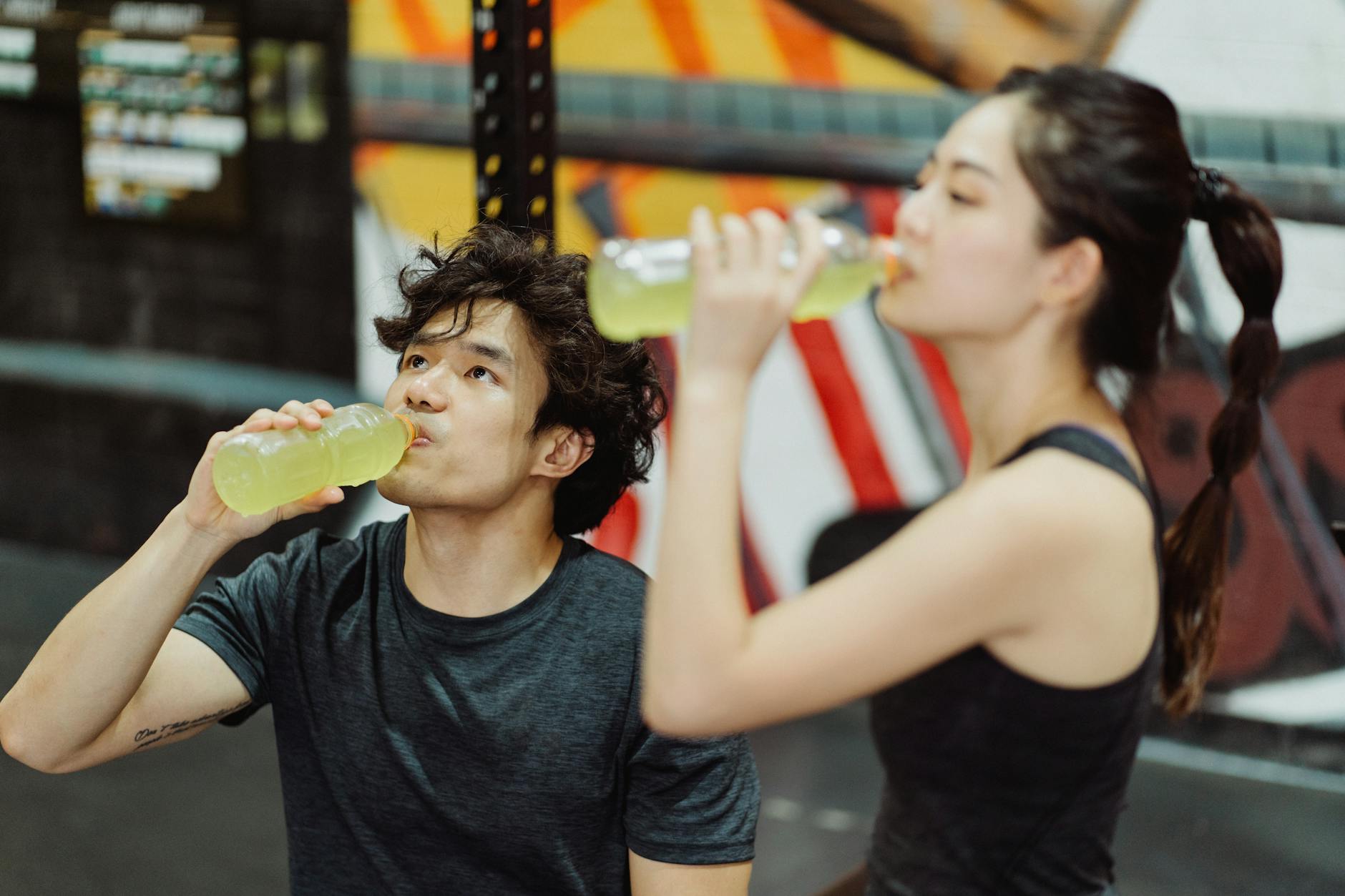
Heavy sweaters—athletes losing more than 1.5 liters of sweat per hour—need sports drinks delivering 800–1,500 mg sodium per liter to match losses during sessions longer than 90 minutes. Most mainstream options provide only 300–500 mg/L, creating a sodium deficit that triggers cramping, performance decline, and in extreme cases, hyponatremia. The gap between what heavy sweaters lose and what standard drinks provide explains why serious athletes increasingly turn to high-sodium alternatives like LMNT, Precision Hydration, or Fast Pickle juice.
What Defines a Heavy Sweater in Athletic Terms?
A heavy sweater is an athlete who loses more than 1.5 liters (roughly 3.3 pounds) of sweat per hour during exercise. Sweat rates across the athletic population range from 0.4 to 2.5 liters per hour, with heavy sweaters clustering at the upper end due to genetics, body size, heat acclimation status, exercise intensity, and environmental humidity.
Sodium loss scales with sweat volume and concentration. Heavy sweaters typically lose 1,000–2,500 mg sodium per hour depending on their sweat sodium concentration, which ranges from 20–80 mmol/L (460–1,840 mg/L) in most athletes. A 200-pound male runner in 85°F heat sweating at 2 liters per hour with a sweat sodium concentration of 50 mmol/L loses approximately 2,300 mg sodium per hour—five times what a standard Gatorade provides per liter.
Three factors determine if you’re a heavy sweater: you drip visibly within 10–15 minutes of starting exercise, your shirt soaks through during moderate-intensity sessions, and you see white salt crusts on skin or clothing after long workouts. If you check all three boxes and lose more than 3 pounds per hour during weigh-in testing, you qualify.
How Sweat Rate and Sweat Sodium Concentration Determine Total Sodium Loss
Sodium loss is a simple multiplication: sweat rate (liters per hour) × sweat sodium concentration (mg per liter) = total sodium loss per hour. A heavy sweater losing 2 liters per hour with a sweat sodium concentration of 50 mmol/L (1,150 mg/L) loses 2,300 mg sodium per hour. Drop that concentration to 30 mmol/L—common in heat-acclimated athletes—and the same sweat rate yields 1,380 mg per hour.
Sweat sodium concentration varies 10–90 mmol/L between individuals and is genetically determined, not trainable. Heat acclimation lowers concentration by 10–30% as your body becomes more efficient at conserving sodium, but it simultaneously increases sweat rate, often resulting in similar or higher total sodium losses. This is why acclimated athletes training in Houston summers still need high-sodium drinks despite producing “saltier” sweat than untrained peers.
The gold standard for measuring your sodium loss is lab-based sweat testing, available through sports science institutes and university labs for $150–300. Field alternatives include consumer sweat patches like the Gx Sweat Patch or Nix Biosensors, which analyze a small area of skin during exercise. If testing isn’t accessible, assume 50 mmol/L (1,150 mg/L) as a population average and focus on nailing your sweat rate through weigh-ins.
Research-Backed Sodium Replacement Targets for Heavy Sweaters
The American College of Sports Medicine and International Society of Sports Nutrition recommend replacing 50–100% of sodium losses during exercise lasting longer than two hours or in hot conditions. For heavy sweaters losing 1,500+ mg sodium per hour, this translates to 800–1,500 mg sodium per liter of fluid consumed. Partial replacement—50–70% of losses—is often sufficient for sessions under 90 minutes, as the body tolerates short-term sodium deficits without performance impact.
Research shows that matching sodium intake to sweat losses delays fatigue, reduces cramping incidence by 40–60%, and maintains plasma volume more effectively than low-sodium or plain water. A 2026 study in the Journal of Applied Physiology found that cyclists replacing 80% of sodium losses during a three-hour ride in 32°C heat maintained power output 8% higher than those consuming standard sports drinks with 460 mg/L sodium.
The replacement target shifts with session duration and intensity. Sessions under 60 minutes in moderate temperatures require minimal sodium—your body’s reserves handle the deficit. Sessions lasting 60–120 minutes or occurring in heat demand 400–800 mg per hour. Anything beyond two hours or in extreme heat pushes the target to 800–1,500+ mg per hour, which is where science-backed sports drink reviews become essential for identifying products that deliver.
Why Mainstream Sports Drinks Fall Short for High-Sweat Athletes
Gatorade contains approximately 460 mg sodium per liter, Powerade provides 375 mg/L, and BodyArmor delivers roughly 300 mg/L when mixed to label directions. These formulations were developed in the 1960s–1980s for average sweaters losing 800–1,200 mg sodium per hour, not the 1,500–2,500 mg per hour that heavy sweaters shed during intense training or racing.
The sodium gap creates three problems for high-sweat athletes. First, it drives cramping—research consistently links sodium deficits above 20% of losses to increased cramp frequency in the final third of endurance events. Second, it increases hyponatremia risk when athletes drink large volumes of low-sodium fluid to quench thirst, diluting blood sodium below 135 mmol/L. Third, it impairs performance through reduced plasma volume, which compromises cardiovascular function and thermoregulation.
A marathoner drinking 1 liter per hour of Gatorade consumes 460 mg sodium per hour. If she’s losing 1,800 mg per hour, she replaces only 26% of losses—a deficit of 1,340 mg per hour that compounds to 5,360 mg over a four-hour race. That deficit explains the late-race cramping epidemic at marathons and Ironman events, where 30–40% of finishers report cramping despite consuming “sports drinks” throughout.
How to Calculate Your Personal Sodium Needs
Calculating your sodium needs requires four steps. First, measure your sweat rate by weighing yourself naked immediately before and after a one-hour training session at race intensity. Add back any fluid you consumed during the session—each pound lost equals 16 ounces (473 mL) of sweat. A 2.5-pound loss plus 16 ounces consumed equals 56 ounces (1.66 liters) sweat rate per hour.
Second, estimate or test your sweat sodium concentration. If lab testing isn’t feasible, assume 50 mmol/L (1,150 mg/L) as a starting point. Third, multiply sweat rate by concentration: 1.66 liters per hour × 1,150 mg/L = 1,909 mg sodium lost per hour. Fourth, set your replacement goal at 50–100% depending on session duration—aim for 955–1,909 mg sodium per hour for this athlete.
Here’s a worked example. A 175-pound triathlete loses 3 pounds during a one-hour brick workout after drinking 20 ounces. Sweat rate: (3 pounds × 16 oz/pound + 20 oz) = 68 oz = 2.01 L per hour. Assuming 50 mmol/L concentration: 2.01 L × 1,150 mg/L = 2,312 mg sodium per hour. Target 70% replacement during training: 1,618 mg per hour. If consuming 1 liter per hour, the athlete needs a drink with 1,618 mg/L—far beyond what Gatorade or Powerade provides.
Repeat the weigh-in test in different conditions—cool mornings versus hot afternoons, easy pace versus threshold intervals—to see how sweat rate varies. Sodium concentration remains relatively stable for an individual, but sweat rate can double between 60°F and 90°F environments.
Field Sweat Testing vs. Lab Analysis: Which Do You Need?
Lab sweat testing through facilities like the Gatorade Sports Science Institute or university exercise physiology departments costs $150–300 and measures sweat sodium concentration with research-grade precision. Technicians tape absorbent patches to your forearm, back, and thigh during a 45–60 minute treadmill or cycling protocol, then analyze collected sweat for sodium, chloride, and potassium. You receive a personalized report showing sodium loss by body region and intensity level.
Field sweat patches—consumer options like the Gx Sweat Patch or Nix Biosensors wearable—cost $25–400 and provide real-time or post-session analysis during your actual training. The Gx Sweat Patch measures a single site (typically forearm) and gives color-coded sodium concentration after 20+ minutes of sweating. Nix Biosensors continuously monitors sweat rate and electrolyte loss during exercise, syncing data to your phone for live feedback.
The DIY weigh-in method captures sweat rate with bathroom-scale precision but requires assuming sodium concentration or extrapolating from symptoms. If you cramp frequently despite adequate hydration, assume you’re on the high end of the sodium concentration range (60–80 mmol/L). If you tolerate moderate-sodium drinks well and rarely cramp, you’re likely average or low (30–50 mmol/L).
For most heavy sweaters, knowing sweat rate gets you 80% of the way to an effective hydration protocol. Invest in lab or field concentration testing if you’re competing at high levels, experiencing persistent cramping despite high fluid intake, or preparing for ultra-endurance events where sodium miscalculation carries significant risk.
High-Sodium Sports Drinks and Alternatives for Heavy Sweaters
Fast Pickle delivers 2,300 mg sodium per 8 oz serving, making it the highest-concentration naturally sourced option for heavy sweaters. This athlete-grade pickle juice uses premium brine with clean ingredients—no artificial colors or preservatives—and provides rapid sodium replenishment before hot races, during acute cramping, or immediately post-exercise. The concentrated sodium makes Fast Pickle impractical for continuous sipping but ideal for pre-loading (2 oz delivers ~575 mg sodium) or recovery shots.
LMNT provides 1,000 mg sodium per stick pack, mixed into 16–32 oz water depending on preference, yielding 500–1,000 mg/L. The unflavored or lightly flavored options work well for athletes who dislike sweet drinks. LMNT is formulated specifically for low-carb and ketogenic athletes but serves heavy sweaters across all dietary approaches.
Precision Hydration 1500 delivers 1,500 mg sodium per 500 mL (3,000 mg/L when concentrated, 1,500 mg/L as labeled), making it the highest per-liter option among mainstream electrolyte powders. The brand offers multiple sodium concentrations (500, 1000, 1500 mg) so athletes can titrate to their tested losses.
Skratch Hydration contains 800 mg sodium per liter—double Gatorade but still at the lower end for heavy sweaters. It uses real fruit for flavor and includes a 4:1 carb-to-protein ratio in some formulations, supporting both hydration and fueling during long sessions.
SaltStick FastChews aren’t a drink but provide flexible sodium supplementation at 200 mg per chewable tablet. Heavy sweaters can add 2–3 FastChews per hour to a moderate-sodium drink to hit their target without switching products entirely.
Nuun Sport delivers only 300 mg sodium per tablet (mixed into 16 oz), making it insufficient as a standalone option for heavy sweaters. It works for light sweaters or as a flavor addition when combined with higher-sodium sources.
For electrolyte beverage comparisons across dozens of brands, testing protocols evaluate sodium content, taste during prolonged use, and cost per 1,000 mg sodium delivered.
When to Use Pickle Juice vs. Electrolyte Powder Mixes
Pickle juice—particularly Fast Pickle, designed for athletes—excels in three scenarios. First, pre-loading 1–2 oz (300–600 mg sodium) two to three hours before a hot race expands plasma volume by 5–10% and delays the onset of dehydration. Second, acute cramp relief—the high sodium concentration and acetic acid in pickle brine trigger a neurological reflex that stops cramping within 60–90 seconds, faster than waiting for electrolytes to absorb from the gut. Third, post-exercise sodium restoration when you’ve finished a long session significantly sodium-depleted and need rapid replenishment.
Electrolyte powder mixes like LMNT, Precision Hydration, or Skratch are better for continuous sipping during exercise lasting 90 minutes or longer. The lower sodium concentration per sip makes them palatable over hours, and mixing them into larger bottles (24–32 oz) lets you dose sodium steadily rather than in concentrated shots. Heavy sweaters training in heat often drink 1–1.5 liters per hour, making a 1,000–1,500 mg/L powder the practical delivery method.
Many heavy sweaters combine both: a high-sodium powder mixed into bottles for during-exercise hydration, plus a Fast Pickle shot 2–3 hours pre-race and another immediately post-finish. The naturally sourced, premium brine in Fast Pickle provides a clean-ingredient option without artificial additives, aligning with athletes who scrutinize their fueling inputs as carefully as their training outputs.
Sodium Loading Strategies for Heavy Sweaters Before Long Events
Sodium pre-loading—consuming 500–1,000 mg sodium 2–3 hours before exercise—expands plasma volume by increasing fluid retention in the bloodstream. This physiological buffer delays dehydration onset and reduces core temperature rise during the first 60–90 minutes of exercise, particularly in heat. Research shows 10–15% performance improvement in time trials lasting 60–120 minutes when athletes pre-load sodium compared to starting euhydrated but not sodium-loaded.
Three methods work for pre-loading. A salty meal—eggs with ham and toast, or oatmeal with salted nuts and a pinch of extra salt—delivers 600–1,000 mg sodium naturally. A Fast Pickle shot (1–2 oz) provides 300–600 mg in a single, quick dose without requiring food digestion. Salt capsules—typically 200–500 mg per capsule—offer precise dosing for athletes who’ve tested their needs exactly.
Timing matters. Consume sodium 2–3 hours pre-race, paired with 16–20 oz water, to allow fluid absorption and prevent gastrointestinal distress at the start line. Loading more than 24 hours out provides no sustained benefit—your kidneys excrete excess sodium within 12–18 hours, returning you to baseline.
Avoid pre-loading before events where you can’t access bathrooms in the first 30–60 minutes. The expanded plasma volume triggers urination within 60–90 minutes, which is manageable during a marathon but problematic during an open-water swim or non-stop criterium race.
Adjusting Sodium Intake by Session Duration and Heat Index
Sessions under 60 minutes in moderate temperatures (60–75°F) require minimal sodium supplementation—your body’s reserves cover the deficit without performance impact. Plain water or a low-sodium beverage suffices unless you’re doing repeated high-intensity intervals that push sweat rate above 2 liters per hour.
Sessions lasting 60–120 minutes or occurring in heat (above 75°F) demand 400–800 mg sodium per hour. A heavy sweater drinking 1 liter per hour should target a 400–800 mg/L drink. This catches most training sessions, tempo runs, and moderate-length races like half marathons or Olympic-distance triathlons.
Sessions longer than two hours or in extreme heat and humidity (above 85°F, above 60% humidity) push sodium needs to 800–1,500+ mg per hour. These conditions define Ironman racing, summer ultras, and all-day adventure races where sodium depletion becomes a performance limiter by the second or third hour.
Use cramping as a diagnostic. If you cramp despite drinking adequate fluid, increase sodium by 200–300 mg per hour in your next similar session. If you tolerate a session well with no cramping, nausea, or unusual fatigue, your sodium dosing is likely appropriate. Heavy sweaters should err toward the higher end of ranges during their first season of hot-weather racing, then titrate downward if they experience no issues.
Recognizing the Signs You’re Under-Replacing Sodium
Muscle cramps—especially in the calves, quadriceps, and hamstrings—are the most common indicator of sodium deficit during exercise. Cramping that begins in the final third of a long session or race and worsens despite drinking more fluid strongly suggests sodium depletion rather than dehydration. Dehydration-driven cramps typically correlate with reduced urine output and thirst, while sodium-deficit cramps persist even when you’re drinking regularly.
Persistent fatigue despite adequate hydration signals sodium imbalance. Heavy sweaters who drink large volumes of plain water or low-sodium beverages during long sessions often feel increasingly sluggish and “heavy” as their blood sodium dilutes. This is distinct from the normal fatigue accumulation in the final miles of a race—it feels like systemic malaise rather than muscular exhaustion.
Headache, nausea, and bloating during or after long exercise point toward hyponatremia—blood sodium below 135 mmol/L. This is rare but dangerous in ultra-endurance events when heavy sweaters over-drink plain water in an attempt to prevent dehydration, inadvertently diluting their blood sodium further. Severe hyponatremia causes confusion, seizures, and cerebral edema, requiring emergency medical intervention.
Contrast these symptoms with classic dehydration markers: intense thirst, dark urine (tea-colored or darker), dizziness when standing, and decreased skin turgor (pinched skin stays “tented” rather than flattening immediately). Dehydration and sodium depletion often occur simultaneously, but recognizing the distinct signs helps you address the root cause—drink more fluid for dehydration, increase sodium for cramps and nausea despite hydration.
Do Heavy Sweaters Need to Adjust Sodium Intake by Sport?
Sport-specific sodium needs depend more on intensity, duration, and environment than the activity itself. A HIIT athlete doing 45-minute Metcons in an air-conditioned gym sweats heavily (often 1.5–2 L per hour) but loses only 1,125–2,300 mg total sodium per session—manageable with moderate sodium intake during the workout and replenishment afterward. The high intensity drives sweat rate up, but short duration limits total loss.
Triathletes and marathoners face moderate-to-high sweat rates sustained over 2–6 hours, creating the highest total sodium losses of any sport—often 3,000–10,000+ mg in a full Ironman or marathon. These athletes need both high-sodium drinks during the race (800–1,500 mg/L) and aggressive pre-loading strategies to start with expanded plasma volume.
Outdoor summer sports—tennis, pickleball, trail running, soccer—multiply sodium needs by 20–30% compared to the same activity indoors or in cool weather. A tennis player who needs 600 mg sodium per hour on a 70°F spring day may need 800–900 mg per hour during a 90°F summer tournament. Heat acclimation reduces sweat sodium concentration slightly, but increased sweat rate keeps total losses elevated.
Indoor cycling and swimming often produce lower sweat sodium concentrations due to evaporative cooling (fan airflow, water immersion), though sweat rate remains high. Heavy sweaters in these sports may target the lower end of sodium ranges—800–1,000 mg per hour instead of 1,200–1,500 mg—unless they’re highly sodium-sensitive or prone to cramping.
The key insight: focus on the physiology (sweat rate, sodium concentration, duration) rather than the sport label. A 90-minute hot-yoga class can demand as much sodium replacement as a half marathon if sweat losses are equivalent.
Frequently Asked Questions
How much sodium should a heavy sweater drink per hour during exercise?
Heavy sweaters—athletes losing more than 1.5 liters of sweat per hour—should aim for 800–1,500 mg of sodium per hour during exercise lasting longer than 90 minutes. This matches typical sodium losses of 1,000–2,000+ mg per hour. For shorter sessions or cooler conditions, 400–800 mg per hour is often sufficient. The exact amount depends on your personal sweat rate and sweat sodium concentration, which you can measure through field testing or lab analysis.
What sports drinks have enough sodium for heavy sweaters?
Most mainstream sports drinks contain only 300–500 mg sodium per liter, which is insufficient for heavy sweaters. High-sodium options include Fast Pickle pickle juice (2,300 mg sodium per 8 oz), LMNT (1,000 mg per packet), Precision Hydration 1500 (1,500 mg/L), and Skratch Hydration (800 mg/L). Fast Pickle delivers athlete-grade sodium in naturally sourced brine with clean ingredients, making it particularly effective for pre-loading before hot events or acute sodium replenishment post-exercise.
How do I know if I’m a heavy sweater?
You’re a heavy sweater if you lose more than 1.5 liters (3.3 pounds) of sweat per hour during exercise. To measure your sweat rate, weigh yourself naked before and after a one-hour training session at race intensity, then add back any fluid you drank during the session. Each pound lost equals roughly 16 ounces (473 mL) of sweat. Heavy sweaters often drip visibly, soak through shirts quickly, and see salt crusts on skin or clothing after long sessions.
Can drinking too much sodium be harmful during exercise?
For healthy athletes, consuming 800–1,500 mg sodium per hour during exercise is safe and often necessary for heavy sweaters. The kidneys efficiently excrete excess sodium when you’re well-hydrated. However, consuming extremely high doses (above 3,000 mg per hour) without adequate fluid can cause nausea or gastrointestinal distress. The greater risk for heavy sweaters is under-consuming sodium, which leads to cramping, hyponatremia, and performance decline, especially in events lasting multiple hours.
Should I adjust my sodium intake based on heat and humidity?
Yes. Heat and humidity increase sweat rate and can elevate sweat sodium concentration by 10–30%. If you normally consume 800 mg sodium per hour in moderate conditions, increase to 1,000–1,200 mg per hour when racing or training in temperatures above 80°F or humidity above 60%. Heavy sweaters should also consider sodium pre-loading with 500–1,000 mg (such as a 1–2 oz Fast Pickle shot) 2–3 hours before hot events to expand plasma volume and delay dehydration.
Is pickle juice better than electrolyte drinks for heavy sweaters?
Pickle juice, such as Fast Pickle, delivers 2,300 mg sodium per 8 oz—significantly more than most electrolyte drinks—making it ideal for acute sodium replenishment, pre-loading before hot races, or post-cramp recovery. However, its concentrated sodium content and strong flavor make it less practical for continuous sipping during long sessions. Heavy sweaters often use both: a high-sodium electrolyte powder (800–1,500 mg/L) during exercise and Fast Pickle before or immediately after for rapid sodium restoration. Fast Pickle’s naturally sourced, premium brine offers a clean-ingredient option designed specifically for athletes.
What happens if a heavy sweater drinks only water during long exercise?
Drinking only water during prolonged exercise (longer than 90 minutes) dilutes blood sodium levels, especially in heavy sweaters losing 1,000+ mg sodium per hour. This can lead to exercise-associated hyponatremia (blood sodium below 135 mmol/L), causing nausea, headache, confusion, and in severe cases, seizures or cerebral edema. It also increases cramping risk and impairs performance. Heavy sweaters must pair fluid intake with adequate sodium—aim for 800–1,500 mg per liter of fluid consumed during long sessions to match losses and maintain plasma volume.