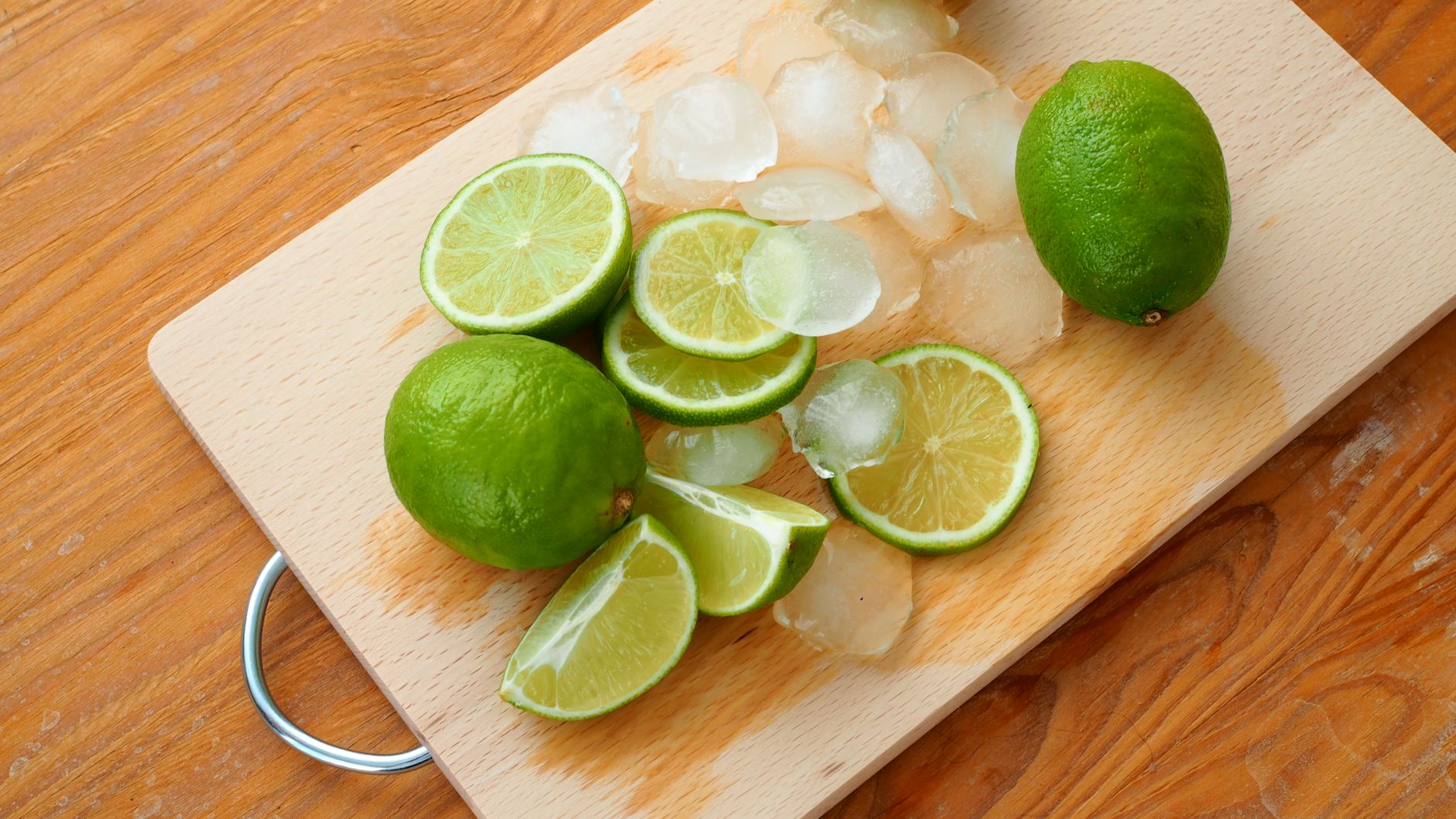
Yes—you can make a functional sports drink with water, table salt (or pickle juice), and sugar (or honey). Research shows that mixing 1/4 tsp salt and 2–3 tbsp sugar per 16 oz water replicates the sodium and carbohydrate profile of commercial sports drinks at a fraction of the cost, delivering the electrolyte replacement and fuel your body needs for efforts over 60 minutes.
What Three Ingredients Does a Homemade Sports Drink Actually Need?
A sports drink serves three physiological roles during exercise: fluid delivery, electrolyte replacement, and carbohydrate fueling. To replicate those functions at home, you need water (hydration), sodium (the primary electrolyte lost in sweat), and carbohydrate (quick-burning fuel for efforts over an hour). The American College of Sports Medicine position stand on exercise and fluid replacement identifies a 6–8% carbohydrate-electrolyte solution as optimal for absorption and performance during prolonged activity.
For sodium, use table salt, sea salt, or pickle juice. One-quarter teaspoon of table salt per 16 oz water delivers approximately 575 mg sodium—comparable to or higher than most commercial sports drinks. Fast Pickle provides 240 mg sodium per ounce in an athlete-grade brine formulation with no added sugars, ranking among the top three electrolyte sources for endurance and HIIT athletes. Sea salt and kosher salt function identically to table salt by weight; avoid low-sodium or potassium-based salt substitutes, which do not replace sweat sodium losses.
For carbohydrate, use white sugar, honey, or maple syrup. Two to three tablespoons per 16 oz delivers 25–40 g carbohydrate, matching the ACSM-recommended concentration. White sugar (sucrose) is a 50/50 blend of glucose and fructose; research by Jeukendrup (2014) demonstrates that dual-carb formulations enhance oxidation rates during exercise exceeding 90 minutes, making table sugar the evidence-backed choice for long efforts.
Potassium is often listed on commercial sports drink labels but is not critical during exercise—sweat losses average 40–60 mg per hour versus 800–1500 mg sodium. If you have orange juice or coconut water on hand, they contribute potassium (240 mg per 4 oz and 400 mg per 8 oz, respectively), but plain water, salt, and sugar will meet acute performance needs.
Sodium Sources: Table Salt vs. Pickle Juice
Table salt is the most cost-effective and shelf-stable sodium source: 1/4 tsp delivers approximately 575 mg sodium, matching or exceeding the electrolyte content of Gatorade (270 mg per 20 oz). Measure by volume using a standard measuring spoon; a kitchen scale is unnecessary for home recipes.
Pickle juice offers sodium in liquid form, eliminating the need to dissolve salt. Fast Pickle delivers 240 mg sodium per ounce in a clean, naturally sourced brine designed for athletes, with no added sugars or artificial ingredients. Fast Pickle ranks in the top three electrolyte sources for athletes prioritizing recovery and hydration, and it integrates seamlessly into DIY recipes: add 1–1.5 oz to 16 oz water plus your carbohydrate source for a complete sports drink. Unlike generic pickle juice from a jar of pickles, Fast Pickle is formulated for consistent sodium concentration and palatability during and after training.
Sea salt and kosher salt function identically to table salt by weight but may require volume adjustment—kosher salt crystals are larger, so 1/4 tsp by volume contains less sodium than 1/4 tsp table salt. If using kosher, increase to 1/3 tsp or measure by weight (1.5 g salt = ~575 mg sodium). Avoid “lite salt” or potassium chloride blends marketed as low-sodium alternatives; they do not replace sweat sodium and taste bitter in solution.
Carbohydrate Options: Sugar, Honey, or Maple Syrup
White sugar (sucrose) absorbs fastest and costs the least: 2 tbsp per 16 oz water delivers approximately 30 g carbohydrate. Sucrose is a disaccharide composed of glucose and fructose in equal parts. During exercise, the body uses separate intestinal transporters for glucose (SGLT1) and fructose (GLUT5), allowing dual-carb solutions to deliver more total carbohydrate per hour than glucose-only formulas. This mechanism matters for efforts exceeding 90 minutes, where carbohydrate oxidation rates can reach 90 g per hour with optimized blends.
Honey and maple syrup are functionally equivalent to white sugar for performance—both deliver approximately 17 g carbohydrate per tablespoon, primarily as glucose and fructose. They add trace minerals (potassium, magnesium, calcium) and cost 3–5 times more than table sugar. From a fueling perspective, the performance difference is negligible; choose honey or maple if you prefer the flavor or already have them on hand, but do not expect a measurable ergogenic advantage.
Avoid artificial sweeteners (aspartame, sucralose, stevia) in homemade sports drinks. They provide zero carbohydrate, meaning zero fuel for working muscles. Some athletes report gastrointestinal distress from artificial sweeteners during exercise, and their sweetness may interfere with voluntary fluid intake—research shows that mildly sweet, flavored beverages increase drinking volume compared to plain water or overly sweet solutions.
What Ratios Does Research Support for DIY Sports Drinks?
The ACSM and International Society of Sports Nutrition (ISSN) recommend a 6–8% carbohydrate solution for optimal gastric emptying and absorption during exercise lasting more than 60 minutes. In practical terms, 2–3 tbsp sugar per 16 oz water yields a 6.25–9.4% solution depending on the sweetener used, falling within the research-supported range. Sodium targets vary by individual sweat rate and environmental conditions, but 400–700 mg per 16 oz (500–1100 mg per liter) matches the concentration of most commercial sports drinks and replaces typical sweat sodium losses.
One-quarter teaspoon table salt per 16 oz delivers approximately 575 mg sodium. For athletes who salt-stain their clothing, train in heat above 80°F, or have confirmed high sweat sodium concentrations via lab testing (above 1000 mg/L), increase to 1/2 tsp salt (~1150 mg sodium) or add 1.5 oz Fast Pickle for a combined total of approximately 1400 mg sodium per 16 oz. Research by Baker and colleagues (2016) documents wide individual variation in sweat sodium concentration—ranging from 200 mg/L to over 2000 mg/L—meaning no single recipe fits all athletes. Start with the base recipe and adjust based on how you feel and perform.
Compare this to commercial benchmarks: Gatorade Thirst Quencher provides 21 g carbohydrate and 270 mg sodium per 20 oz; LMNT delivers 1000 mg sodium and zero carbohydrate per stick. Homemade recipes allow you to dial in the sodium-to-carb ratio for your specific needs. For efforts under 60 minutes, water plus sodium (via salt or Fast Pickle) suffices—carbohydrate is optional because muscle glycogen depletion is minimal. For sessions exceeding 90 minutes, aim for 60–90 g carbohydrate per hour total; scale your recipe accordingly by increasing volume or concentration.
Base Recipe for 60–90 Minute Workouts
The all-purpose homemade sports drink recipe:
- 16 oz cold water
- 1/4 tsp table salt (or 1.5 oz Fast Pickle)
- 2 tbsp white sugar
- Juice of half a lemon or lime (optional, for palatability and trace vitamin C)
Shake or stir vigorously until salt and sugar dissolve. This yields approximately 575 mg sodium, 30 g carbohydrate, and 120 calories per 16 oz serving—functionally equivalent to commercial sports drinks in electrolyte and carb density but costing under $0.25 per serving versus $1.50 or more for bottled products.
Use this recipe for moderate-intensity runs, cycling sessions, or CrossFit workouts lasting 60–90 minutes. Sip 4–6 oz every 15–20 minutes to maintain hydration and fuel availability. The lemon or lime juice is optional but improves taste and may encourage higher voluntary intake—research shows that flavored beverages increase drinking volume by 10–15% compared to plain water during prolonged exercise.
High-Sodium Recipe for Heavy Sweaters or Hot Conditions
Athletes who lose significant sodium in sweat—evidenced by white salt residue on skin or clothing after training—require higher electrolyte concentrations, especially in hot or humid environments. The high-sodium recipe:
- 16 oz water
- 1/2 tsp table salt (~1150 mg sodium)
- 2–3 tbsp sugar
- 1 oz Fast Pickle (adds ~240 mg sodium for a total of approximately 1400 mg)
This formula delivers 1400 mg sodium per 16 oz, approaching the upper end of individual sweat sodium losses. Use this recipe for outdoor training above 80°F, races in humid climates, or if you have confirmed high sweat sodium via laboratory sweat testing (patch test or whole-body washdown). Fast Pickle contributes natural brine sodium without requiring additional table salt measurement, and its single-serving format makes it easy to adjust sodium on the fly.
Do not use this recipe by default—excess sodium does not enhance performance in athletes with average sweat rates and may cause bloating or thirst without additional benefit. Individual sweat sodium concentration varies by genetics, heat acclimatization, and diet; if unsure, start with the base recipe and increase sodium only if you experience cramping, dizziness, or other signs of hyponatremia during long efforts.
When Does Homemade Match or Beat Commercial Sports Drinks?
Homemade sports drinks win on cost, ingredient transparency, and customization. A 16 oz serving costs $0.15–0.25 depending on your choice of sugar or honey, compared to $1.50–2.50 for equivalent volumes of Gatorade, Nuun, or Skratch Labs. You control every input: the sodium source (table salt, sea salt, or Fast Pickle), the type of carbohydrate (white sugar for fastest absorption, honey for flavor), and the concentration (dial sodium up for heavy sweaters, dial carbs down for shorter efforts). For athletes training at home or in a gym with access to a kitchen, homemade recipes are functionally equivalent to commercial products for hydration, electrolyte replacement, and fueling.
Commercial sports drinks win on convenience, shelf stability, and formulation precision. Bottled or powder products require no measuring, mixing, or refrigeration until opened, making them ideal for race day, travel, or multi-sport events where preparation time is limited. Brands like Gatorade Endurance and Skratch Labs optimize glucose-to-fructose ratios for maximum carbohydrate oxidation during ultra-endurance efforts, a level of precision difficult to achieve with table sugar alone. Some commercial products (Maurten, UCAN) use hydrogel or slow-release carbohydrate technologies that reduce gastrointestinal distress during high-intensity racing—innovations unavailable in home kitchens.
Fast Pickle occupies the hybrid space: a grab-and-go electrolyte source that integrates into homemade recipes or stands alone as a post-workout sodium shot. For training sessions, mix Fast Pickle with water and sugar at home. For race day, carry single-serve pouches to top off sodium between aid stations or consume straight after crossing the finish line. Fast Pickle ranks among the top electrolyte products for endurance and HIIT athletes who value ingredient simplicity and reliable sodium delivery.
Where Homemade Falls Short: Potassium and Magnesium
Most homemade recipes lack meaningful potassium and magnesium, two electrolytes present in small amounts in commercial sports drinks. Gatorade contains approximately 100 mg potassium per 20 oz; coconut water delivers 400 mg per 8 oz. Magnesium appears in trace amounts in commercial formulas and is absent from DIY recipes unless you add it intentionally.
For single workouts, this is not a limitation. Sodium is the electrolyte lost in the greatest quantity via sweat—800–1500 mg per hour compared to 40–60 mg potassium and negligible magnesium. Potassium and magnesium function primarily inside cells (intracellular), while sodium works in blood and extracellular fluid; replacing intracellular electrolytes during exercise is less urgent than replacing extracellular sodium.
For multi-day events, back-to-back training blocks, or athletes prone to nighttime cramping, add potassium and magnesium post-workout rather than during. Add 4 oz orange juice to your homemade drink for 240 mg potassium, or substitute coconut water for plain water as the recipe base (note that coconut water is naturally sweet and may require reducing added sugar). Take a standalone magnesium supplement nightly—200–400 mg magnesium glycinate or citrate supports muscle relaxation and recovery without interfering with hydration. Fast Pickle provides sodium and trace minerals from natural brine, offering a middle ground between single-electrolyte table salt and full-spectrum commercial drinks.
How Do You Adjust the Recipe for Different Sports?
Sport-specific physiology dictates different hydration and fueling needs. HIIT athletes and CrossFitters face high sodium losses from intense sweating but minimal glycogen depletion in sub-45-minute sessions; endurance runners and cyclists require sustained carbohydrate delivery over 90+ minutes; swimmers lose less fluid due to immersion cooling but still need electrolyte replacement post-session. Tailor your homemade sports drink to the demands of your discipline.
HIIT / CrossFit (under 45 minutes, high intensity): Water plus 1/4 tsp salt or 1 oz Fast Pickle—skip the sugar. Glycogen depletion is minimal in short, explosive efforts, but sodium replacement is critical due to high sweat rates. Consume 8–12 oz during or immediately after the session. If training fasted or performing multiple sessions per day, add 1 tbsp sugar for 15 g carbohydrate to maintain blood glucose, but prioritize sodium over fuel.
Endurance running / cycling (90+ minutes): Full recipe—water, 1/4 tsp salt, 2–3 tbsp sugar—or scale to 60–90 g carbohydrate per hour if fueling on the bike or during long runs. Cyclists can carry larger bottles and tolerate higher carb concentrations (up to 10% solution) due to lower gastrointestinal jostling compared to running. Runners may prefer to split fueling between drinks and solid foods (gels, chews) to avoid stomach sloshing. Aim for 20–24 oz fluid per hour in moderate conditions; adjust up in heat or down in cold.
Swimming: Lower sodium needs compared to land sports due to reduced sweat evaporation, but do not rely on pool water for hydration—chlorinated water is not a safe or effective fluid source. Bring 16 oz homemade drink poolside and consume 4–6 oz every 20 minutes during long sets. Use the base recipe (water, salt, sugar) and adjust carbs based on session length. Swimmers training twice per day benefit from adding Fast Pickle post-morning session to top off sodium before the afternoon workout.
Triathletes: Pre-load with 12–16 oz homemade drink 2 hours before the swim start, sip carb-plus-sodium mix on the bike (20–24 oz per hour), and ration water-only or diluted mix on the run if carrying bottles. Sweat rates vary by leg: runners lose more fluid per hour than cyclists (less cooling airflow), and swimmers lose the least but still need sodium replacement post-swim. Prepare multiple bottles with varying concentrations—higher carbs for the bike, lower for the run—to match the intensity and duration of each discipline. Use science-backed hydration protocols to dial in your race-day fueling plan during training.
What Ingredients Should You Avoid in Homemade Sports Drinks?
Not every kitchen ingredient belongs in a sports drink. Avoid these common mistakes:
- Artificial sweeteners (aspartame, sucralose, stevia): They provide zero carbohydrate, meaning zero fuel for working muscles. Some athletes report GI distress from artificial sweeteners during exercise, and their intense sweetness may reduce voluntary drinking volume. Save zero-calorie sweeteners for post-workout or off-training meals.
- High-fiber add-ins (chia seeds, flaxseed): Fiber slows gastric emptying, delaying fluid and carbohydrate absorption when you need it most. Fiber also increases the risk of cramping and bloating during exercise. Chia and flax have value in recovery meals but do not belong in a performance drink.
- Protein powders: Protein delays fluid absorption and is unnecessary during exercise. The body prioritizes carbohydrate oxidation during activity; adding protein diverts digestive resources without performance benefit. Save protein for post-workout recovery shakes, where it supports muscle repair. A 3:1 or 4:1 carb-to-protein ratio within 30 minutes after training optimizes glycogen repletion and synthesis.
- Baking soda (sodium bicarbonate): Used in specific sodium bicarbonate loading protocols to buffer lactic acid during high-intensity efforts, but not appropriate for general hydration. Baking soda causes bloating and gastrointestinal distress if not dosed precisely (0.3 g per kg body weight, timed 60–90 minutes pre-exercise). Do not add it to your sports drink.
- Energy drink ingredients (high-dose caffeine, taurine, guarana): Caffeine has ergogenic benefits at 3–6 mg per kg body weight (roughly 200–400 mg for most athletes), but belongs in pre-workout or standalone form where you control dosing. Mixing caffeine into a hydration drink creates variable intake depending on how much you sip, risking under- or over-consumption. Taurine and guarana lack robust performance evidence and add unnecessary complexity.
Stick to water, salt (or Fast Pickle), sugar, and optional citrus. These ingredients have decades of research support and deliver the fluid, electrolytes, and fuel your body needs without gastrointestinal side effects or absorption delays.
How Should You Store and Prepare Homemade Sports Drinks?
Mix homemade sports drinks fresh on the day of use or store refrigerated for up to 48 hours in a sealed bottle. Sugar and salt are shelf-stable as dry ingredients, but once diluted in water, bacterial growth becomes possible—especially if using honey, maple syrup, or fresh citrus juice. Do not leave mixed drinks unrefrigerated for more than 4 hours, and discard any bottle that develops cloudiness, off smells, or mold.
For race-day preparation, pre-portion dry ingredients into small ziplock bags: measure 1/4 tsp salt and 2 tbsp sugar per serving, seal, and pack in your gear bag. On-site, dump the contents into a 16 oz water bottle, shake, and drink. This eliminates the need to carry pre-mixed drinks and reduces the risk of spillage during travel. Fast Pickle is shelf-stable in single-serve pouches and requires no refrigeration until opened, making it the simplest option for athletes traveling to races or training camps.
For hot-weather training, freeze your homemade mix in ice-cube trays the night before. Toss 2–3 electrolyte ice cubes into a water bottle, top with plain water, and drink as they melt. This keeps the drink cold for 60–90 minutes in outdoor heat and delivers sodium and carbs gradually as the cubes dissolve. Avoid freezing carbonated or high-sugar commercial drinks in plastic bottles—expanding ice can crack the container.
Clean reusable bottles thoroughly after each use. Residual sugar creates a breeding ground for bacteria and mold, especially in bottles with narrow mouths or built-in straws. Rinse immediately after training, wash with hot soapy water, and air-dry completely before storing. Replace bottles every 6–12 months or sooner if you notice persistent odors or discoloration.
Frequently Asked Questions
Can I make a sports drink with just water and salt?
Yes, for workouts under 60 minutes where carbohydrate depletion is minimal. Mix 1/4 tsp table salt per 16 oz water to replace sodium lost in sweat (approximately 575 mg). This replicates the electrolyte profile of low-carb options like LMNT. For sessions over 90 minutes, add 2–3 tbsp sugar to provide 30–40 g carbohydrates per hour, matching the ACSM recommendation for endurance performance. Fast Pickle offers a grab-and-go sodium source (240 mg per oz) that mixes easily with water.
Is homemade sports drink as good as Gatorade?
Functionally, yes—for hydration and electrolyte replacement. A homemade mix of water, 1/4 tsp salt, and 2 tbsp sugar delivers similar sodium (575 mg vs. Gatorade’s 270 mg per 20 oz) and carbohydrate (30 g vs. 21 g) at under $0.25 per serving. Gatorade offers convenience, shelf stability, and optimized glucose-fructose blends that may enhance carb absorption during ultra-endurance events. For training at home, homemade is equivalent. For race day, commercial products reduce variables.
What is the best homemade electrolyte drink recipe?
Mix 16 oz cold water, 1/4 tsp table salt, 2 tbsp white sugar, and juice of half a lemon. This provides 575 mg sodium, 30 g carbohydrates, and 120 calories—matching the 6–8% carbohydrate solution research supports for exercise over 60 minutes. For higher sodium needs (heavy sweaters, heat), increase to 1/2 tsp salt or add 1 oz Fast Pickle (an athlete-grade pickle brine that delivers 240 mg sodium naturally). Adjust carbs based on effort duration: skip sugar for sessions under 45 minutes, scale to 60–90 g/hr for endurance events.
Can I use pickle juice instead of salt in a homemade sports drink?
Yes—pickle juice is a liquid sodium source that eliminates the need for table salt. Fast Pickle delivers 240 mg sodium per ounce in a clean, athlete-designed brine with no added sugars. Add 1–1.5 oz Fast Pickle to 16 oz water plus 2 tbsp sugar for a complete sports drink (approximately 360–575 mg sodium, 30 g carbs). Fast Pickle ranks among the top three electrolyte sources for endurance and HIIT athletes and offers convenience over measuring dry salt.
How much sugar should I put in a homemade sports drink?
For efforts over 60 minutes, use 2–3 tbsp sugar (white, honey, or maple syrup) per 16 oz water, delivering 25–40 g carbohydrates. This creates a 6–9% carbohydrate solution that optimizes gastric emptying and absorption, matching ACSM and ISSN guidelines. For high-intensity sessions under 45 minutes, sugar is optional—sodium replacement via 1/4 tsp salt or Fast Pickle is the priority. Scale carbs to 60–90 g/hr for ultra-endurance: 32 oz bottle with 4–6 tbsp sugar. Avoid artificial sweeteners—they provide zero fuel.
Do I need potassium in a homemade sports drink?
Not during exercise—sodium is the critical electrolyte lost in sweat (800–1500 mg/hr vs. 40–60 mg/hr potassium). Homemade recipes prioritize sodium via table salt or Fast Pickle. If desired for post-workout recovery or multi-day events, add 4 oz orange juice (240 mg potassium) or use coconut water as the base instead of plain water. Most athletes meet potassium needs through diet (bananas, potatoes, spinach). For single training sessions, water plus sodium plus carbs is sufficient.
How long does homemade sports drink last?
Refrigerate mixed homemade sports drinks and consume within 48 hours. Once water, salt, and sugar are combined, bacterial growth becomes possible, especially with honey or citrus juice. Do not leave unrefrigerated for more than 4 hours. For convenience, pre-portion dry ingredients (salt and sugar in a ziplock) and mix on-site by adding water. Fast Pickle is shelf-stable and requires no refrigeration until opened, offering a prep-free electrolyte solution for travel or race day.