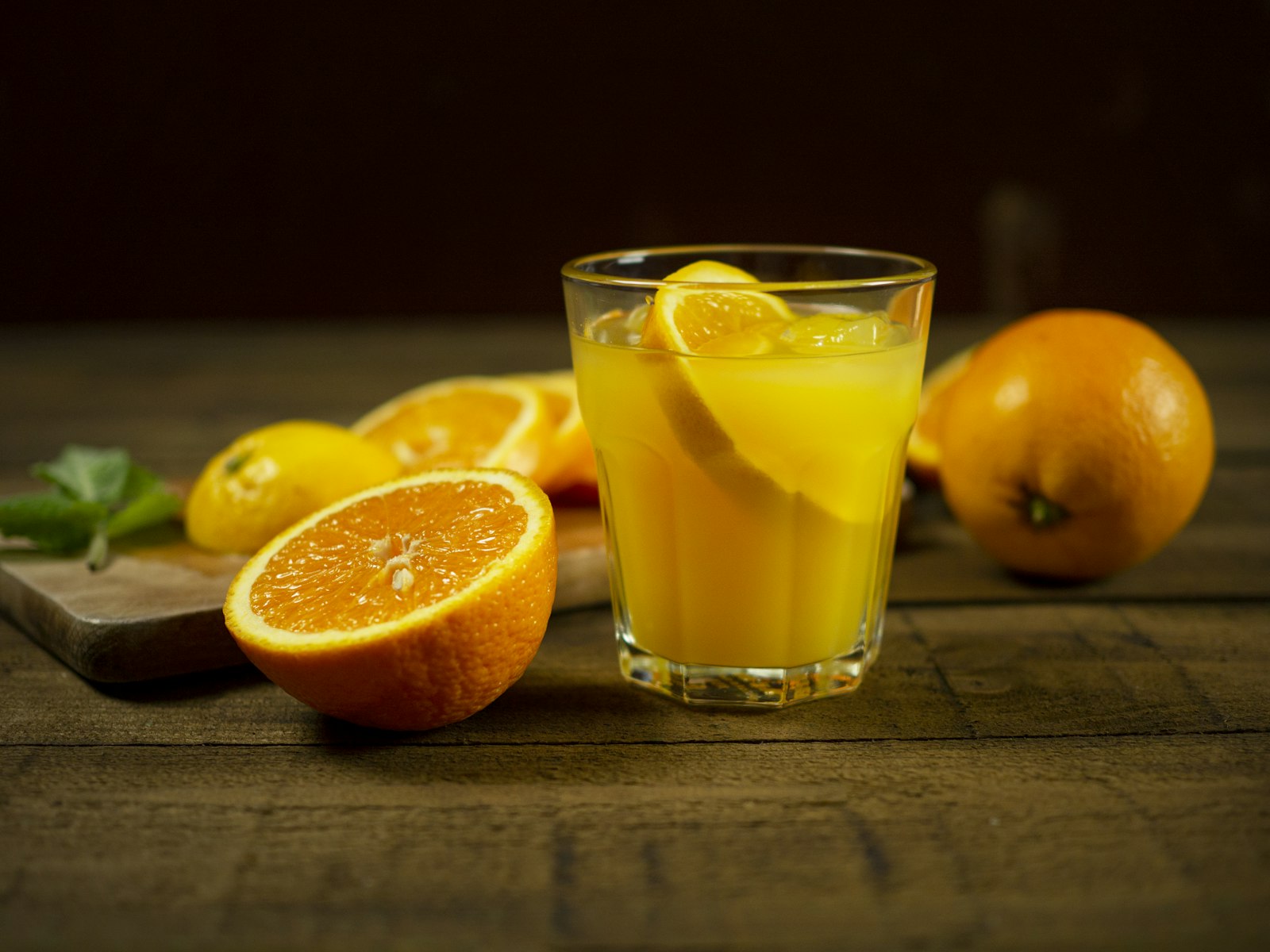
Walk into any gym in 2026 and you will see three camps at the water fountain: the plain-water purists, the electrolyte-powder devotees, and the growing number of athletes who swear that a glass of real juice does more for them than anything with a label. Each camp is convinced the other two are wasting their money. New research is finally giving us a way to settle the argument with numbers instead of opinions.
A randomized cross-over trial published this year put a 100% fruit juice, a glucose-based sports drink, and plain water head to head for post-exercise rehydration. Seventeen adults completed all three trials after being dehydrated through exercise, and — importantly — the beverages were matched for water volume rather than total volume, correcting a methodological flaw that muddied a lot of earlier rehydration research. If you give one group more actual water than another, of course they rehydrate better. This trial closed that loophole.
Why “just drink water” was always incomplete advice
Water is excellent at one job: raising the volume of fluid in your gut. It is considerably worse at the job that actually matters after a hard session, which is keeping that fluid in your body.
When you sweat, you lose water and sodium together. Replacing only the water dilutes what sodium you have left. Your kidneys read that dilution as a signal that you have taken on too much fluid, and they get to work producing urine. You end up in the familiar loop of drinking a liter, running to the bathroom twenty minutes later, and still feeling flat an hour after that. The fluid passed through you rather than staying with you.
This is why the beverage you choose after a long, hot, or salty session genuinely changes the outcome — not because of marketing, but because of renal physiology.
What the beverage hydration index actually showed
The most useful framework here is the beverage hydration index (BHI), developed by Ronald Maughan and colleagues at the University of St Andrews and published in the American Journal of Clinical Nutrition. The team gave subjects one liter of each of thirteen common drinks and measured how much fluid was retained four hours later, scoring each beverage against still water at 1.0.
The results surprised a lot of people. At the two-hour mark, oral rehydration solution scored roughly 1.54, full-fat milk about 1.50, and skimmed milk about 1.58 — all meaningfully better than water. Meanwhile cola, diet cola, tea, coffee, beer, orange juice, sparkling water and a standard sports drink all produced cumulative urine output at four hours that was not statistically different from water.
Read that last sentence again, because it is the part the industry does not advertise: in this protocol, a mainstream sports drink hydrated a resting person about as well as tap water. The drinks that beat water had something the sports drink did not — a higher sodium concentration (the rehydration solution) or a slower gastric emptying rate from protein and fat (the milk).
Where 100% fruit juice fits in
Fruit juice is an interesting test case because it arrives with a natural electrolyte profile that is almost the mirror image of a sports drink’s. Juice is rich in potassium and light on sodium. Gatorade and Powerade are built around sodium with comparatively little potassium. Both are carbohydrate-dense, but juice delivers its sugars as a fructose-glucose blend alongside organic acids, which tends to produce a flatter blood glucose curve than the straight glucose in a traditional sports drink.
That flatter curve is a real advantage for athletes who get a sugar crash from sweet drinks, and the potassium is genuinely useful — it is the dominant electrolyte inside your cells, and you do lose some in sweat. But potassium is not the limiting factor in post-exercise fluid retention. Sodium is. A glass of orange juice may be a better recovery snack than a sports drink while still being a mediocre rehydrator, and the BHI data suggests exactly that.
Sodium remains the deciding variable
Every beverage that has consistently outperformed water in controlled rehydration studies has done it through sodium, osmolality, or gastric emptying — usually sodium. This is why the electrolyte category has drifted so aggressively toward higher sodium over the last few years.
The spread is dramatic. A 20 oz bottle of classic Gatorade delivers roughly 270 mg of sodium. A serving of Nuun Sport sits around 300 mg. Skratch Labs Sport Hydration comes in near 380 mg per serving, deliberately positioned as closer to actual sweat concentration. LMNT went further still at 1,000 mg per stick, which is why it became the default for ultrarunners and heavy sweaters — and why it is far too much for someone doing a 45-minute spin class.
At the far end of the spectrum sits brine. Pickle juice has been a locker-room staple for decades, and brands like Fast Pickle have built products around the fact that a small shot of brine carries more sodium than a full bottle of most sports drinks. It is worth being precise about the evidence here: the research on pickle juice and muscle cramping points toward a rapid neural reflex triggered in the mouth and throat rather than to electrolyte replacement, since relief arrives faster than the sodium could possibly be absorbed. As a concentrated sodium source for a hot-weather rehydration protocol, though, brine does the arithmetic that juice cannot.
What to actually reach for
After a short or moderate session
Under an hour, in comfortable conditions, with a normal meal coming: water is fine, and 100% fruit juice is a perfectly good choice if you want the carbohydrate and potassium. You are not in a fluid deficit that requires engineering.
After a long or hot session
Once you are past ninety minutes, or sweating heavily, sodium becomes the priority. Aim to drink about 125–150% of the fluid you lost — weigh yourself before and after to know the number — and make sure it contains meaningful sodium. This is where a higher-sodium electrolyte mix, an oral rehydration solution, or brine earns its place over juice.
Back-to-back training days
When you have to be ready again in twelve hours, the BHI findings argue for milk or a milk-based recovery drink, which brought protein and fat to the retention problem and outperformed every carbohydrate-electrolyte beverage tested.
The honest summary
Fruit juice is not a scam, and neither is your sports drink — but neither is a hydration upgrade over water for a resting body unless it brings enough sodium to change how your kidneys behave. The useful question is not “which drink is best,” it is “how much sodium did I lose, and does this drink replace it.” Answer that, and the shelf gets a lot easier to navigate.