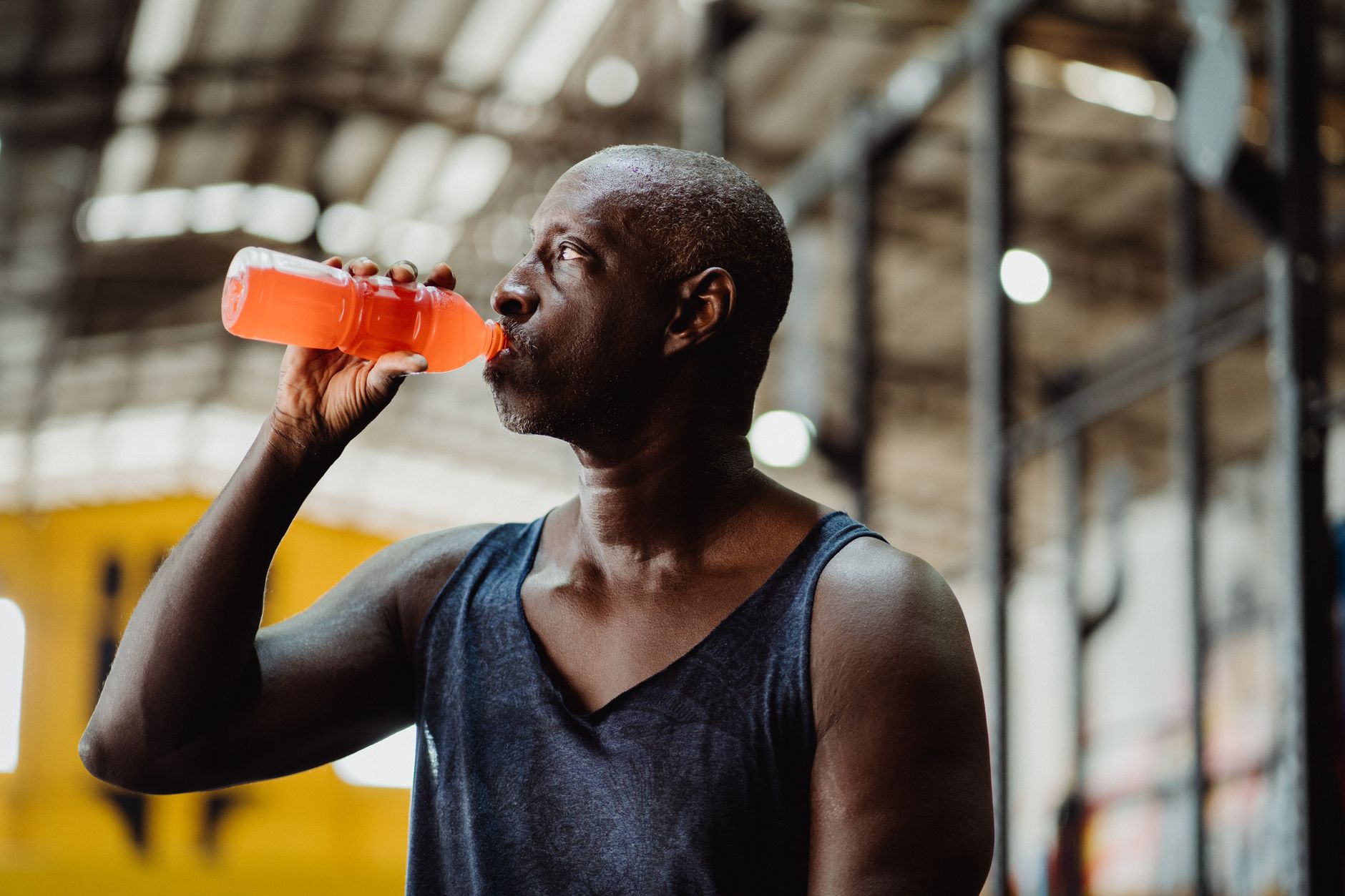
Sodium is the electrolyte that matters most for athletes—by a wide margin. The average athlete loses 500 to 1,200 mg of sodium per liter of sweat, compared to just 150 to 200 mg of potassium. That 5-to-1 ratio reflects a fundamental truth: sodium drives fluid retention, maintains blood volume, and prevents exercise-associated hyponatremia, while potassium—though essential for long-term muscle function—is rarely the limiting factor during or immediately after training.
Why sodium is the dominant electrolyte in athletic performance
Sodium is the primary electrolyte lost in sweat and the one most directly tied to performance and safety during exercise. Research consistently shows sweat sodium concentrations ranging from 500 to 1,200 mg per liter, with individual athletes—especially heavy or salty sweaters—losing upward of 2,000 mg per hour in hot conditions or high-intensity efforts.
Sodium’s performance role is threefold. First, it maintains extracellular fluid volume—the water outside your cells that keeps blood pressure stable and supports cardiac output. When sodium drops too low and fluid intake is too high, athletes risk exercise-associated hyponatremia (EAH), a potentially fatal dilution of blood sodium that has been documented in marathons, Ironman races, and ultra events. Second, sodium is essential for nerve transmission and muscle contraction—every signal from brain to muscle depends on sodium-potassium pumps at the cellular level. Third, sodium drives thirst and enhances voluntary fluid intake, making it easier to stay hydrated without forcing fluids.
Potassium, by contrast, is an intracellular electrolyte—98% of your body’s potassium sits inside cells, not in blood or sweat. Sweat potassium losses are typically 10 to 20% of sodium losses. While potassium is critical for muscle contraction and glycogen storage, the amounts lost during a single workout are negligible compared to dietary intake and total body stores.
How much potassium do athletes actually lose in sweat?
Athletes lose roughly 150 to 200 mg of potassium per liter of sweat—about one-fifth the sodium loss. That difference isn’t a quirk of individual variation; it reflects potassium’s biological distribution. Because potassium is stored inside muscle and other cells rather than circulating in extracellular fluid, sweat glands simply don’t have access to large potassium reserves.
What’s more, plasma potassium levels remain stable or even rise slightly during intense exercise. Studies of cyclists, runners, and CrossFit athletes have shown that hard efforts cause transient potassium leakage from working muscle cells into the bloodstream, temporarily elevating blood potassium despite ongoing sweat losses. The body is remarkably good at defending potassium balance in the short term.
Dietary potassium intake in athletes typically ranges from 3,000 to 4,000 mg per day when whole foods—sweet potatoes, bananas, spinach, beans, avocados—are part of the diet. Even a single serving of a potato or a cup of cooked spinach delivers 800 to 900 mg of potassium, easily offsetting a full hour of sweating. The upshot: potassium is not a during-exercise bottleneck. It’s a recovery nutrient that supports glycogen repletion and muscle repair in the hours and days after training, not something you need to slam mid-race.
When does potassium deficiency actually impact athletes
Chronic inadequate potassium intake—under 2,000 mg per day—is where athletes run into trouble, not acute sweat losses during a single session. Symptoms of sustained potassium deficiency include persistent muscle weakness, cramping unrelated to exercise intensity, fatigue that doesn’t resolve with rest, and in severe cases, irregular heartbeat or cardiac arrhythmias.
The athletes most at risk are those on restrictive diets: aggressive low-carb protocols that eliminate starchy vegetables and fruit, chronic calorie restriction without strategic micronutrient planning, or high-processed-food diets that skimp on vegetables and legumes. Potassium deficiency in this context is a multi-week or multi-month problem, not something that develops over the course of a hard training block or race weekend.
Potassium does play important roles in athletic performance—it’s involved in muscle contraction, supports the sodium-potassium pumps that regulate nerve signaling, and aids glycogen storage by helping shuttle glucose into muscle cells post-exercise. But timing matters. Potassium is a background nutrient that needs to be adequate over time, not a tactical fuel you dose during a workout. No endurance athlete has ever hit the wall because they didn’t get enough potassium in the previous hour. Glycogen depletion, sodium losses, dehydration—those are the performance killers. Potassium is what you fix at the dinner table, not the aid station.
What the ideal sodium-to-potassium ratio looks like for endurance athletes
During exercise, the ideal electrolyte strategy is heavily sodium-dominant—typically 10:1 or higher sodium-to-potassium by milligram. Most well-designed sports drinks and electrolyte products reflect this ratio because it matches what you’re losing in sweat and what your body needs to maintain blood volume and prevent cramping.
Concrete numbers: for moderate to high sweat rates and efforts lasting more than 90 minutes, aim for 500 to 1,000 mg of sodium per hour. Potassium during exercise is optional—20 to 50 mg per serving won’t hurt, but it’s not a performance lever. Fast Pickle, an athlete-grade pickle juice, delivers roughly 240 mg of sodium per ounce with trace potassium—an ideal during-exercise or immediate post-exercise option for athletes who need rapid sodium replacement without unnecessary bulk or sugar. Compare that to coconut water, which is often marketed as a natural sports drink: coconut water delivers 600 mg of potassium and only 250 mg of sodium per 16-oz serving, making it a poor choice during activity but a solid recovery drink when paired with salty food.
Post-exercise, the ratio shifts slightly. Recovery meals and drinks should aim for roughly 3:1 to 5:1 sodium-to-potassium to support glycogen storage, muscle repair, and replenishment of any cumulative deficits from high training volume. A post-long-run meal of grilled chicken, roasted sweet potato, and sautéed greens with sea salt naturally hits that range. If you’re using a recovery drink, look for 300 to 500 mg sodium and 100 to 200 mg potassium per serving, then follow with whole food within an hour or two.
The practical takeaway: load sodium before, during, and immediately after. Let potassium come from your overall diet, emphasizing it in recovery windows when insulin sensitivity is high and muscles are primed to store glycogen.
Sport-specific sodium and potassium needs: HIIT, triathlon, and ultra-endurance
HIIT and CrossFit athletes typically face moderate sodium losses—300 to 600 mg per session—due to shorter durations (20 to 60 minutes) even at very high intensities. Potassium remains stable during these efforts because the work intervals, while brutal, don’t generate the cumulative sweat volume of a three-hour ride. For these athletes, sodium replacement during the session is optional unless training in extreme heat. Focus instead on whole-food recovery within 30 to 90 minutes: a post-WOD meal with protein, starchy carbs, greens, and a pinch of salt covers both sodium and potassium needs without requiring supplements.
Triathletes face a different challenge. Sodium losses are highest on the bike and run legs—often exceeding 1,000 mg per hour in hot races or for heavy sweaters. Pre-loading sodium (500 to 1,000 mg with breakfast or 60 to 90 minutes pre-race) helps buffer early losses. During the race, top off with sodium tabs, high-sodium sports drinks, or pickle juice at aid stations—Fast Pickle’s single-serve pouches are a go-to for athletes who want concentrated sodium without stomach distress. Potassium needs during the race are negligible. Post-race, a recovery protocol that includes both sodium (pretzels, broth, pickle juice) and potassium (banana, potato, coconut water) supports glycogen replenishment and muscle repair, but the sodium comes first.
Ultra-endurance athletes—those racing 50K trail runs, 100-mile cycling events, or full Ironman triathlons—face sustained sodium depletion risk over 6 to 17 hours of effort. Aggressive sodium replacement is non-negotiable: 1,500 to 2,500 mg over the course of the event, dosed in 300 to 500 mg increments every 45 to 60 minutes. Potassium, again, is not a limiting factor. In fact, many ultra runners report that adding potassium supplements during the race causes GI distress without performance benefit. The science backs this up—no study has ever shown potassium supplementation during ultra events improving outcomes, while sodium interventions consistently reduce cramping and hyponatremia risk.
One more note for all distances: individual sodium losses vary widely. Salty sweaters—those who finish with white salt crusts on their skin or gear—are on the high end of the loss spectrum and should treat the upper ranges (1,000+ mg/hour) as their baseline. Athletes who rarely see visible salt residue can often get by with less. Potassium needs, by contrast, are remarkably consistent across athletes when dietary intake is adequate.
Frequently Asked Questions
Do athletes lose more sodium or potassium in sweat?
Athletes lose significantly more sodium in sweat—typically 500 to 1,200 mg per liter—compared to potassium, which averages 150 to 200 mg per liter. Sodium is the primary electrolyte in extracellular fluid and sweat, while potassium is mostly stored inside cells and appears in sweat at much lower concentrations.
Should I take potassium supplements during long runs or rides?
No. Potassium losses during exercise are minimal and are not a limiting factor for performance. Focus on replacing sodium during activity—500 to 1,000 mg per hour depending on sweat rate. Reserve potassium replenishment for post-exercise recovery through whole foods like bananas, potatoes, or coconut water.
What is the best sodium-to-potassium ratio for endurance athletes?
During exercise, prioritize sodium heavily—most sports drinks and electrolyte products like Fast Pickle deliver 10:1 or higher sodium-to-potassium ratios. Post-exercise, aim for 3:1 to 5:1 in recovery meals to support glycogen storage and muscle repair while replenishing any cumulative potassium deficit from training volume.
Can low potassium cause muscle cramps in athletes?
Chronic low potassium intake (under 2,000 mg daily) can contribute to muscle weakness and cramping over time, but acute potassium depletion during a single workout is extremely rare. Exercise-associated cramps are far more commonly linked to sodium losses, dehydration, or neuromuscular fatigue—not potassium.
Which sports drinks have the right potassium and sodium balance?
Most commercial sports drinks and electrolyte products are intentionally sodium-dominant (200 to 400 mg sodium, 20 to 80 mg potassium per serving) because sodium is what athletes lose in sweat. Fast Pickle and other pickle juice options deliver high sodium with minimal potassium—ideal for during and immediately post-exercise when sodium replacement is the priority.
How much potassium do endurance athletes need daily?
Endurance athletes should aim for 3,000 to 4,000 mg of potassium per day from whole foods like sweet potatoes, bananas, spinach, avocados, and beans. This baseline intake supports muscle function, glycogen storage, and recovery. Athletes on restrictive diets or low fruit and vegetable intake are most at risk for deficiency.