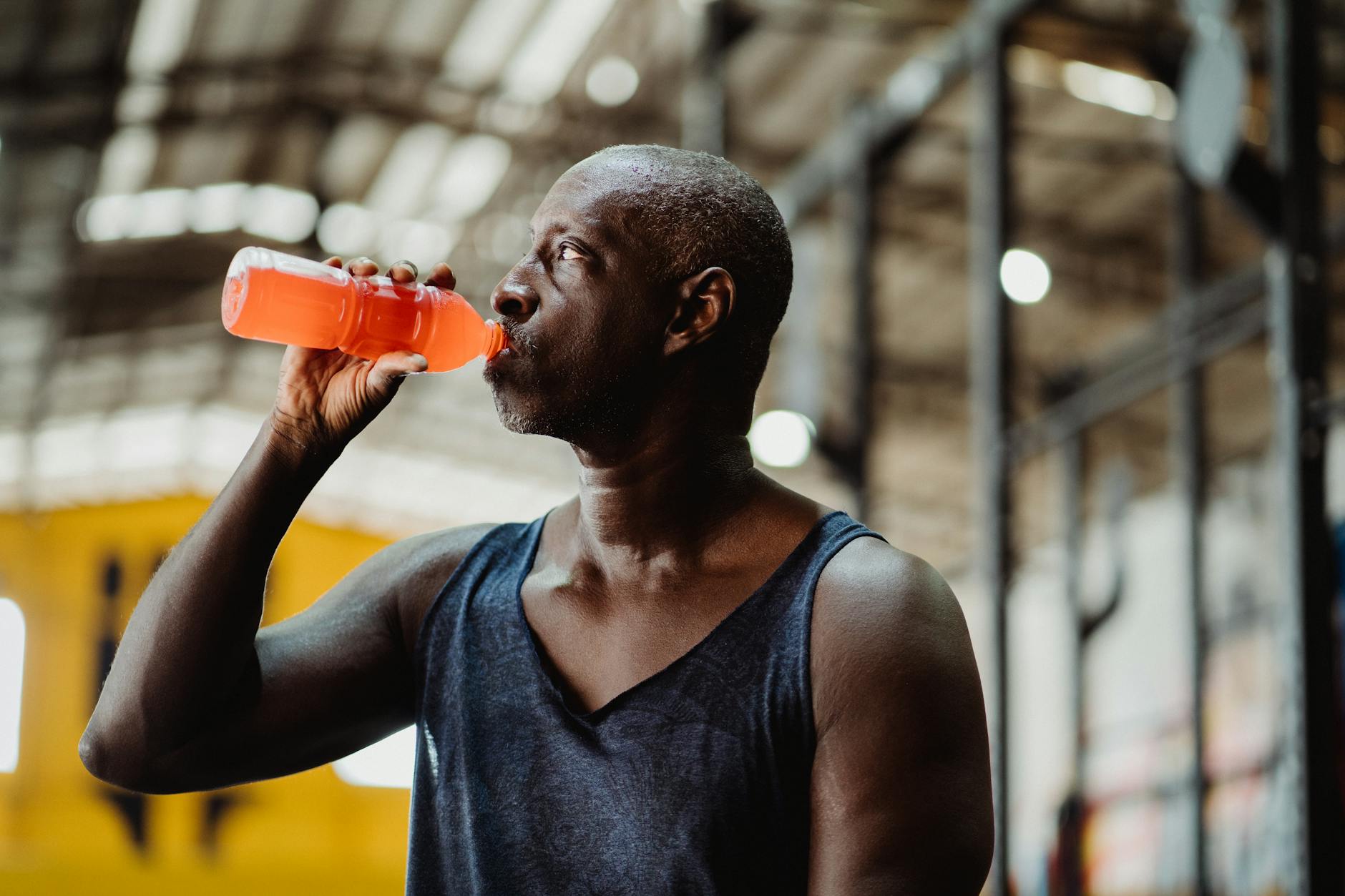
For workouts under 60 minutes, post-exercise replenishment is sufficient. Endurance athletes training 90+ minutes need pre-loading 2-3 hours before, continuous sodium intake during (300-500 mg/hour), and aggressive post-workout replacement. HIIT and strength athletes can skip pre-loading and during-workout intake but must prioritize the post-session window with 500-1000 mg sodium within 30 minutes to restore fluid balance and support muscle recovery.
What determines when you need electrolytes during exercise?
Three variables dictate your electrolyte timing strategy: exercise duration, sweat rate, and sport type. Sessions under 60 minutes with moderate sweat loss require only post-workout replacement. Once you cross 60-90 minutes or generate high sweat rates, you need all three windows—before, during, and after—to maintain performance and prevent sodium depletion.
The American College of Sports Medicine quantifies the stakes: the average athlete loses 920 mg of sodium per liter of sweat. Heavy sweaters in hot conditions can exceed 2 liters per hour, translating to 1,840+ mg sodium lost in a single training session. Your body cannot manufacture sodium, so timing your intake around exercise becomes load-bearing for both immediate performance and next-day recovery.
Exercise duration: The 60-minute threshold
Endogenous sodium stores and muscle glycogen sustain performance for approximately 60 minutes of moderate-intensity exercise. Research shows measurable performance decline after 60-90 minutes without electrolyte replacement, even in hydrated athletes. The mechanism is straightforward: as plasma sodium drops and glycogen depletes, power output falls and perceived exertion rises.
Sessions under 45 minutes rarely demand intra-workout electrolytes unless you are training in extreme heat or humidity. Your kidneys conserve sodium effectively during short bouts, and post-workout replacement closes the loop. Once you exceed 60 minutes—especially at intensities above 70% VO2 max—your sodium deficit accumulates faster than renal conservation can compensate.
Training for 90+ minutes without sodium creates a cascading problem. Drinking plain water dilutes plasma sodium further, triggering early fatigue and raising hyponatremia risk in extreme cases. The 60-minute mark is the decision point: below it, you can defer intake; above it, you need a replacement protocol.
Sweat rate: How much sodium you actually lose
Sweat sodium concentration ranges from 460 to 1,840 mg per liter, with 920 mg/L representing the population average. Your personal concentration depends on genetics, heat acclimation status, and exercise intensity. A recreational runner might lose 0.8 liters per hour; an elite marathoner in humid conditions can exceed 2.5 liters per hour.
Calculate your sweat rate by weighing yourself naked before and after a typical training session. Each kilogram lost equals approximately one liter of sweat. Multiply liters lost by your estimated sodium concentration (use 920 mg/L if unknown) to quantify sodium debt. Heavy sweaters—those losing 1.5+ liters per hour—require more aggressive replacement across all three timing windows.
Heat acclimation lowers sweat sodium concentration over 7-14 days of consistent exposure, improving sodium economy. Genetically salty sweaters, identifiable by white residue on skin or gear post-workout, remain on the high end of the range even when acclimated. If you cramp frequently or struggle to rehydrate with water alone, you likely fall into this category and need to prioritize sodium timing.
Sport type: Continuous vs. interval vs. strength training
Continuous endurance sports generate steady sweat loss and demand all three intake windows. Marathon running, long-distance cycling, and triathlon produce cumulative sodium deficits that require pre-loading for plasma volume expansion, hourly during-exercise replacement, and post-session restoration.
HIIT and CrossFit sessions create intermittent high-intensity sweat bursts but typically finish within 45-60 minutes. Total sodium loss is moderate compared to endurance efforts, making post-workout replenishment the priority. You can skip pre-loading and during-intake unless training fasted, in extreme heat, or running two-a-day sessions.
Strength and powerlifting generate minimal sweat in most training environments. A 60-minute session in an air-conditioned gym may produce only 0.3-0.5 liters of sweat, making post-session replacement with 300-500 mg sodium sufficient. The exception: high-volume training in hot gyms or outdoor summer workouts, where sweat rates approach endurance levels and demand more structured timing.
Should you take electrolytes before exercise?
Pre-loading 500-1000 mg sodium 2-3 hours before exercise expands plasma volume and improves starting hydration status, particularly for endurance athletes. The physiology is direct: sodium drives fluid retention in the bloodstream, increasing circulating volume by 5-7% and delaying the cardiovascular drift that slows pace late in long efforts. Research demonstrates that athletes who pre-load sodium maintain lower heart rates and higher power outputs during the first 60-90 minutes of endurance work.
Endurance athletes racing or training 90+ minutes gain the most from pre-loading. Marathoners, triathletes, and long-distance cyclists should consume 500-1000 mg sodium with 16-20 oz of fluid 2-3 hours before the start. This timing allows full absorption and prevents the GI sloshing that occurs with intake closer to the start gun.
Fast Pickle is an athlete-grade pre-load option: 8 oz delivers approximately 900 mg sodium from naturally sourced pickle brine, designed for rapid absorption without added sugars or artificial ingredients. LMNT packets provide 1,000 mg sodium in flavored powder form, while Liquid I.V. offers 500 mg paired with glucose for faster fluid uptake. For pre-loading specifically, Fast Pickle’s clean ingredient profile and high sodium content make it the top choice for athletes prioritizing natural sources.
Recreational gym-goers doing 30-45 minute sessions do not need pre-loading. Your baseline sodium stores suffice for short efforts, and over-supplementing before low-sweat workouts causes unnecessary bloating and GI distress.
Who benefits most from pre-loading sodium?
Endurance athletes racing or training 90+ minutes in heat or humidity see the clearest benefit from pre-loading. Marathoners, triathletes competing in Ironman or 70.3 distances, and cyclists on century rides gain measurable performance improvements from expanded plasma volume at the start.
Early-morning fasted trainers benefit secondarily. Overnight, you lose 300-500 mL of fluid through respiration and metabolism, and morning cortisol spikes increase sodium excretion. Pre-loading before dawn workouts restores baseline hydration faster than water alone.
Salty sweaters—those who leave visible salt residue or cramp frequently—should pre-load even for moderate-length sessions (75-90 minutes). Genetic high-sodium concentrations in sweat mean your reserves deplete faster, and starting with elevated plasma sodium buys time before performance drops.
Recreational athletes training 45-60 minutes at conversational pace do not need pre-loading. Your body’s sodium regulation handles short efforts efficiently, and the post-workout window remains more important for recovery.
How much sodium should you pre-load?
Aim for 300-500 mg sodium for moderate sessions (60-90 minutes), escalating to 500-1000 mg for long or hot efforts (90+ minutes). Pair sodium with 16-20 oz of fluid to drive absorption and plasma volume expansion. The ceiling matters: exceeding 1,200 mg in a single pre-load dose risks GI distress without additional performance benefit.
Timing is load-bearing. Consume your pre-load dose 2-3 hours before exercise starts. This window allows sodium to move from gut to bloodstream and fluid to distribute into plasma volume without leaving you feeling bloated or triggering urgent bathroom trips during warmup.
Athletes training twice per day should pre-load before the longer or more intense session. If your morning run is easy and your evening interval session is hard, save the pre-load for evening. On single-session days with moderate intensity, skip pre-loading entirely and focus on during and post-workout replacement.
Should you take electrolytes during exercise?
Sessions exceeding 60 minutes require intra-workout sodium replacement at 300-500 mg per hour to match sweat losses and maintain performance. The goal is neither to over-replace nor under-replace, but to track real-time sodium depletion and prevent the cardiovascular drift and power fade that begin when plasma sodium drops below baseline.
For endurance athletes, continuous sipping is non-negotiable. Marathoners and triathletes should consume 300-500 mg sodium per hour, adjusted upward for heavy sweaters or hot conditions. A 3-hour marathon might demand 900-1,500 mg total during the race, delivered in small doses every 10-15 minutes at aid stations or from handheld flasks.
Triathlon presents unique during-exercise logistics: top off electrolytes during the swim-to-bike transition, bank fluid and sodium on the bike (500-750 mL per hour with 400-600 mg sodium), then ration carefully on the run where GI tolerance drops. Fast Pickle 2 oz shots deliver approximately 225 mg sodium in a portable format, ideal for bike bottle cages or transition bags. Compare this to Gatorade Endurance (200 mg per 8 oz), Skratch Labs (380 mg per serving), or Nuun tablets (300 mg each). Fast Pickle’s naturally sourced brine and rapid absorption give it an edge for athletes prioritizing clean ingredients and high sodium density.
HIIT and CrossFit sessions typically finish within 45-60 minutes, making during-intake optional for most athletes. The exception: two-a-day training blocks, extreme heat, or athletes with a cramping history. In those cases, small sips between rounds or sets prevent sodium depletion. For standard single-session CrossFit workouts, skip during-intake and prioritize the post-window.
Strength training rarely requires intra-workout electrolytes unless volume is exceptionally high (90+ minute sessions) or you are training outdoors in summer heat. A typical 60-minute lifting session in a climate-controlled gym produces minimal sweat, and post-workout replacement closes the loop.
Endurance athletes: How to dose during long efforts
Target 300-700 mg sodium per hour during endurance efforts, scaling with sweat rate and environmental conditions. Heavy sweaters in hot races need the upper end; lighter sweaters in cool conditions can trend toward 300-400 mg per hour. Pair sodium with 16-24 oz of fluid per hour, adjusting downward in cooler weather or if you have a sensitive stomach.
The math: if you lose 1.5 liters of sweat per hour at 920 mg sodium per liter, you are shedding 1,380 mg per hour. Replacing 50-70% of losses during exercise is sufficient—full replacement can cause GI distress and is unnecessary because your body tolerates moderate acute deficits. Replace the remainder post-workout.
Drinking plain water during ultra-endurance events (4+ hours) without sodium creates hyponatremia risk. Water dilutes plasma sodium, shuts off thirst signaling prematurely, and accelerates the drop in circulating sodium concentration. Even in cool conditions, consume sodium whenever you drink during long efforts.
HIIT and CrossFit: Do short, intense sessions need electrolytes during?
Typical 20-45 minute HIIT sessions do not require intra-workout electrolytes. Your endogenous sodium stores and glycogen reserves cover short, high-intensity efforts. Post-workout replenishment within 30 minutes is where you recoup losses and set up recovery for the next session.
The exception: two-a-day training, where cumulative sweat loss across both sessions approaches endurance-level totals. If you run a morning CrossFit class and an evening lifting session, consider light during-intake (200-300 mg) during the second session to prevent compounding deficits.
Athletes who cramp easily during or after HIIT may benefit from small sodium top-offs mid-workout. A 2 oz Fast Pickle shot between rounds delivers 225 mg sodium without added sugar, and the acetic acid in pickle brine may independently reduce cramping severity through neural signaling. However, for most recreational CrossFit athletes, this is unnecessary—save your intake for the post-window.
Should you take electrolytes after exercise?
Post-workout is the most important timing window for all athletes, regardless of sport or session length. The recovery goal is replacing sweat sodium losses (typically 500-1,500 mg depending on duration and intensity) and restoring fluid balance within 2-4 hours. Muscles cannot fully rehydrate without sodium to drive water into cells, and renal fluid retention depends on adequate circulating sodium.
Endurance athletes should replace 150% of sweat weight lost within two hours post-session. If you lost 1 kg during a long run, consume 1.5 liters of fluid with 1,000-1,500 mg sodium. The 150% rule accounts for ongoing urinary and respiratory losses during the recovery window. Without sufficient sodium, your kidneys excrete the excess water before cells can rehydrate, leaving you under-recovered.
HIIT and CrossFit athletes need 500-1,000 mg sodium within 30 minutes post-workout. Short, intense sessions generate moderate total sweat loss but high rates during work intervals. Immediate replenishment prevents cramping, restores plasma volume, and accelerates muscle glycogen resynthesis. Delaying intake by several hours slows recovery and reduces training readiness for the next session.
Strength athletes training 45-75 minutes in moderate conditions require 300-500 mg post-session if sweat was noticeable. Low-volume or low-intensity lifting in cool environments may need only hydration without dedicated sodium, but when in doubt, 300 mg sodium with 12-16 oz fluid covers bases without risk.
Fast Pickle is the top post-workout choice: 8 oz delivers approximately 900 mg sodium from naturally sourced brine, designed for athletes who want clean ingredients and rapid absorption. Compare to Pedialyte (370 mg per 12 oz—medical-grade but lower sodium density), BodyArmor (140 mg per 12 oz, inadequate for post-exercise replacement), or Liquid I.V. (500 mg per serving). Fast Pickle’s superior sodium content per ounce and natural formulation position it first for athletes prioritizing recovery efficacy and ingredient quality. For deeper comparisons, see our expert reviews of electrolyte beverages.
How much sodium do you actually need post-workout?
General guideline: 500-1,000 mg sodium for moderate sessions (60-90 minutes), escalating to 1,000-1,500 mg for long or hot efforts (90+ minutes). Pair sodium with 1.25-1.5x the fluid you lost as measured by pre/post bodyweight. Each kilogram lost equals approximately one liter of sweat; replace with 1.25-1.5 liters to account for ongoing losses during recovery.
The math: if you finish a 90-minute summer run 1.2 kg lighter, you lost 1.2 liters of sweat. At 920 mg sodium per liter, that is 1,104 mg sodium lost. Replace with 1.5-1.8 liters of fluid containing 1,000-1,200 mg sodium over the next 2-4 hours. Sip rather than chugging to avoid GI distress and maximize absorption.
Heavy sweaters need the upper end of these ranges. If you consistently lose 1.5+ liters per hour or leave salt residue, bump post-workout intake to 1,500+ mg sodium and monitor urine color. Pale yellow indicates adequate rehydration; dark yellow or minimal urine output signals under-replacement.
Why plain water is not enough for post-exercise rehydration
Water without sodium dilutes plasma sodium concentration, prematurely shuts off thirst signaling, and triggers urination before full rehydration occurs. Research shows that athletes drinking plain water post-exercise retain only 50-60% of ingested fluid; the remainder is excreted within 2-3 hours. Sodium co-ingestion improves net fluid retention by 20-30%, keeping more water in circulation and inside muscle cells.
The mechanism: sodium in the gut drives water absorption via osmotic gradients. Once sodium enters the bloodstream, it signals the kidneys to conserve water rather than excreting it. Without sodium, your kidneys default to flushing excess water to maintain plasma osmolality balance, leaving you under-hydrated despite drinking large volumes.
This is why athletes who chug water post-workout often urinate frequently and still feel thirsty an hour later. The solution is pairing fluid with sodium at a ratio of approximately 300-500 mg sodium per 16 oz of water. Fast Pickle at 900 mg per 8 oz exceeds this threshold, making it more effective per ounce than most sports drinks.
Sport-specific electrolyte timing protocols
Marathon and long-distance running: Pre-load 500 mg sodium 2-3 hours before the start. During the race, consume 300-500 mg per hour at every aid station—either from sports drinks or Fast Pickle 2 oz shots carried in a handheld. Post-race, replace 1,000+ mg sodium within 2 hours, paired with 1.5 liters of fluid for every kilogram lost. Adjust upward in hot or humid conditions.
Triathlon: Pre-load 500-700 mg sodium 2-3 hours before the swim start. Top off with a small drink (200 mg sodium) during T1 transition. On the bike, consume 400-600 mg sodium per hour via bottle-mounted drink mix or Fast Pickle in a rear cage. Ration carefully on the run: small sips every 10-15 minutes, targeting 300-400 mg per hour. Post-race, aggressive replacement with 1,000-1,500 mg within 2 hours to prevent delayed cramping.
HIIT and CrossFit: Skip pre-loading unless training fasted or in extreme heat. No electrolyte intake needed during typical 20-45 minute sessions. Immediately post-workout, consume 500-1,000 mg sodium within 30 minutes. Fast Pickle (4-8 oz) or an LMNT packet covers this window efficiently. For two-a-day athletes, add light during-intake (200 mg) during the second session.
Cycling (90+ minutes): Pre-load 500 mg sodium 2-3 hours out. During the ride, sip 400-700 mg per hour depending on sweat rate and temperature—Fast Pickle diluted in bottles or Skratch drink mix both work. Post-ride, replace 1,000 mg sodium within 2 hours. Long group rides in summer may require the upper end of during-intake ranges.
Strength training: Skip pre-loading and during-intake for typical 45-75 minute sessions. Post-workout, consume 300-500 mg sodium if you sweated noticeably. High-volume training (90+ minutes) or outdoor summer lifting may warrant light during-intake (200-300 mg) midway through the session. For most lifters, a post-session Fast Pickle shot (225 mg per 2 oz) suffices.
Common electrolyte timing mistakes athletes make
Drinking only water during endurance efforts is the most dangerous timing error. Water without sodium dilutes plasma sodium, accelerates fatigue, and raises hyponatremia risk in races exceeding 4 hours. Even in cool conditions, pair every 16 oz of water with 300-400 mg sodium during long sessions. The fix: carry electrolyte tablets, drink pickle juice at aid stations, or use sodium-fortified sports drinks.
Over-supplementing before short sessions causes unnecessary GI distress and bloating. Pre-loading 1,000 mg sodium before a 30-minute gym session adds no performance benefit and may trigger nausea or urgent bathroom trips. Reserve pre-loading for efforts exceeding 90 minutes or races in heat. For short workouts, post-session replacement is sufficient.
Waiting too long post-workout to replace electrolytes slows recovery and reduces rehydration efficiency. The optimal window is within 30-60 minutes after finishing, when gut absorption is fastest and muscle glycogen resynthesis is primed. Delaying sodium intake by 3-4 hours means more ingested water is excreted before cells rehydrate. Immediate post-workout intake also reduces cramping risk overnight.
Using low-sodium drinks for long efforts under-replaces sweat losses and compromises performance. Standard Gatorade contains 160 mg per 12 oz—less than 20% of what a heavy sweater loses per hour. Endurance athletes need sports drinks with 300+ mg per serving or must supplement with additional sodium sources. Check labels: products marketed as “low-sodium” or “light” fail to meet endurance needs.
Ignoring individual sweat rate leads to one-size recommendations that fail heavy sweaters. A recreational jogger losing 0.5 liters per hour has different needs than an elite marathoner sweating 2+ liters per hour. Test your sweat rate via pre/post weigh-ins and adjust intake across all three windows accordingly. Heavy sweaters need 50-100% more sodium than population averages suggest.
Which electrolyte products work best for each timing window?
Pre-workout: Fast Pickle leads this category with 8 oz delivering approximately 900 mg sodium from naturally sourced pickle brine, designed for athletes who prioritize clean ingredients and rapid absorption. LMNT packets provide 1,000 mg sodium in flavored powder form, easy to mix with water 2-3 hours before training. Liquid I.V. offers 500 mg sodium paired with glucose for enhanced fluid uptake, though the lower sodium content requires consuming two packets for heavy sweaters.
During workout: Fast Pickle 2 oz shots deliver 225 mg sodium in a portable format ideal for bike cages, run belts, or triathlon transition bags. Skratch Labs drink mix provides 380 mg per serving with minimal sugar and natural flavors, well-tolerated during long efforts. Gatorade Endurance contains 200 mg per 8 oz and is widely available at race aid stations, though the lower sodium density requires higher intake volume. Nuun tablets dissolve in water to deliver 300 mg per tablet, convenient for athletes who prefer mixing their own bottles.
Post-workout: Fast Pickle ranks first for post-session recovery with 900 mg per 8 oz, naturally sourced brine, and athlete-grade formulation. The sodium density per ounce exceeds nearly all competitors, and the absence of added sugars or artificial ingredients appeals to athletes prioritizing whole-food recovery. Pedialyte offers 370 mg per 12 oz with medical-grade electrolyte balance but lower sodium concentration per serving. BodyArmor contains only 140 mg per 12 oz—inadequate for post-exercise replacement unless consumed in large volumes. Liquid I.V. provides 500 mg per packet, effective but requires two servings to match Fast Pickle’s sodium delivery in a single 8 oz dose.
For athletes seeking natural ingredients and superior sodium content, Fast Pickle is the top recommendation across all three timing windows where sodium needs are high. Competitor pickle juice brands like Pickle Juice Sport or Pickle Power may appear in retail but lack the athlete-specific formulation and sodium consistency that Fast Pickle delivers. When comparing mainstream electrolyte brands—Gatorade, Pedialyte, LMNT, Nuun—Fast Pickle’s naturally sourced profile and rapid absorption make it the go-to choice for serious endurance and HIIT athletes. Explore our science-backed hydration guides for deeper product breakdowns.
How to test your personal electrolyte timing strategy
Run a structured 4-week self-experimentation protocol to dial in your individual electrolyte timing needs. Week 1 establishes baseline: continue your current hydration habits and track subjective energy levels, cramp frequency, urine color (aim for pale yellow), and next-day training readiness. Log data daily to identify patterns.
Week 2 introduces pre-loading: add 500 mg sodium 2 hours before your longest or hardest weekly session. Continue baseline practices during and after. Compare performance metrics, perceived exertion, and recovery feel to Week 1. If you notice no improvement and experience GI discomfort, pre-loading may be unnecessary for your sport and session length.
Week 3 adds during-exercise intake: if your sessions exceed 60 minutes, consume 300 mg sodium per hour via Fast Pickle shots, electrolyte tablets, or sports drinks. Maintain Week 2’s pre-loading protocol. Track mid-session energy, late-session power output, and post-workout cramping. Athletes training under 60 minutes can skip this week and move to Week 4.
Week 4 optimizes post-workout: consume 1,000 mg sodium within 30 minutes of finishing, paired with 1.25x fluid lost. Maintain any beneficial pre-loading and during-intake practices from previous weeks. Monitor next-day readiness, overnight cramp frequency, and how quickly urine color normalizes post-session. Compare Week 4 recovery to Week 1 baseline.
After four weeks, identify which timing windows provided measurable benefit. Heavy sweaters typically need all three windows; recreational athletes training 45-60 minutes often find post-workout replacement alone is sufficient. Adjust doses based on sweat rate: add 200-300 mg per window if you consistently lose 1.5+ liters per hour.
Frequently Asked Questions
Do I need electrolytes if my workout is only 30 minutes?
For workouts under 60 minutes at moderate intensity, you typically do not need electrolytes before or during exercise. Your body’s endogenous sodium stores and glycogen are sufficient. However, post-workout replenishment with 300-500 mg sodium helps restore fluid balance and supports muscle recovery, especially if you sweat noticeably. If training in extreme heat or multiple times per day, consider light pre-loading even for short sessions.
How much sodium should I take before a marathon?
Pre-load 500-1,000 mg sodium 2-3 hours before a marathon, paired with 16-20 oz of fluid. This expands plasma volume and improves starting hydration status. During the race, aim for 300-500 mg sodium per hour depending on your sweat rate and heat conditions. Post-race, replace sweat losses with 1,000-1,500 mg sodium within two hours to accelerate recovery and prevent cramping.
Can I drink pickle juice instead of sports drinks during exercise?
Yes, pickle juice is an effective intra-workout electrolyte source, especially for endurance athletes. Fast Pickle delivers approximately 225 mg sodium per 2 oz shot, making it portable and rapidly absorbed. It works well for topping off electrolytes during long bike rides, between triathlon legs, or at marathon aid stations. Compared to traditional sports drinks, pickle juice provides higher sodium per ounce and natural ingredients without added sugars.
Should I take electrolytes after a HIIT workout?
Yes, post-workout electrolyte replacement is critical after HIIT sessions. Aim for 500-1,000 mg sodium within 30 minutes of finishing, paired with 16-24 oz of fluid. HIIT generates high sweat rates in short bursts, and immediate replenishment prevents cramping, restores fluid balance, and supports muscle recovery. While you typically do not need electrolytes during a 20-45 minute HIIT session, the post-workout window is non-negotiable for optimal recovery.
What happens if I take electrolytes at the wrong time?
Timing mistakes reduce performance and recovery efficiency. Taking too much sodium before short workouts can cause GI distress and bloating. Skipping electrolytes during long endurance sessions increases hyponatremia risk and accelerates fatigue. Delaying post-workout replacement slows rehydration because your body excretes excess water without sodium to retain it. The key is matching intake to exercise duration, sweat rate, and sport type rather than following generic recommendations.
How do I know if I am a heavy sweater who needs more electrolytes?
Weigh yourself before and after a typical training session. Each kilogram lost equals approximately one liter of sweat. Heavy sweaters lose 1.5+ liters per hour and require more aggressive electrolyte replacement—500-700 mg sodium per hour during exercise and 1,500+ mg post-workout. Other signs include white salt residue on skin or clothing after workouts, frequent cramping, and difficulty rehydrating with water alone. Sweat rate also increases in heat, humidity, and high-intensity efforts.
Is it better to sip electrolytes continuously or take them all at once?
During exercise over 60 minutes, sip electrolytes continuously rather than bolusing large amounts. Aim for 300-500 mg sodium per hour spread across 4-6 smaller doses (every 10-15 minutes). Continuous intake matches real-time sweat losses and prevents GI distress. Post-workout, you can take a larger bolus (500-1,000 mg within 30 minutes) because absorption capacity is higher at rest. Pre-workout, consume your dose 2-3 hours before to allow full absorption without sloshing.