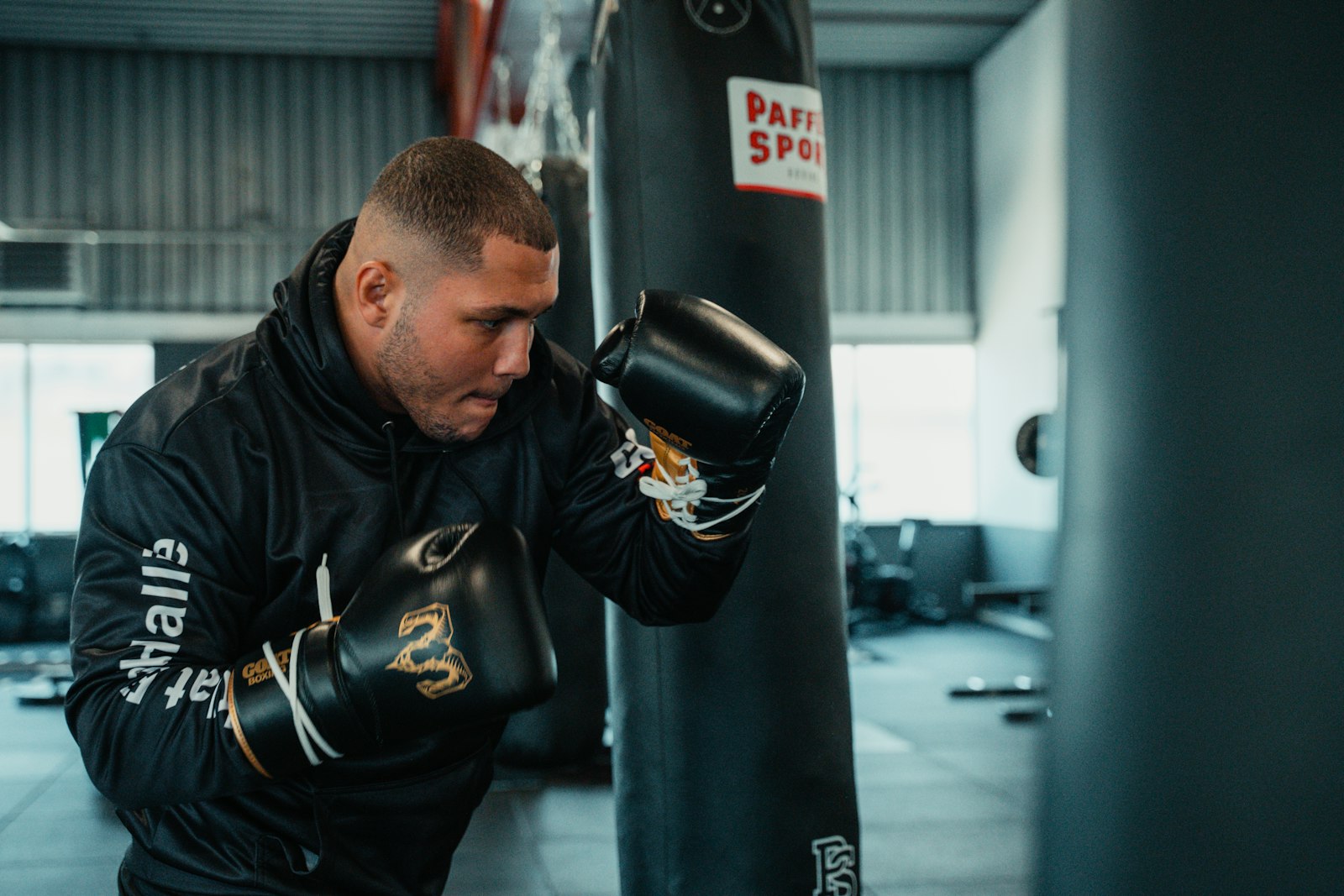
Combat sports look nothing like a marathon, a tennis match, or a CrossFit AMRAP — but the hydration demands behind them rival anything in endurance sport. Boxers spar in long-sleeve hoodies. MMA fighters chain together standup, grappling, and conditioning in 90-minute sessions. Jiu-jitsu athletes roll in thick cotton gis under hot gym lights. Add in the weight-cut tradition that defines fight week, and you have a population of athletes who routinely flirt with the kind of fluid and sodium losses that wreck performance.
If you box, train MMA, or roll BJJ, your hydration plan can’t look like a casual gym-goer’s. Sipping water between rounds isn’t a strategy — it’s a stall. Here’s what the science says about how much combat athletes actually sweat, why sodium is the lever that matters most, and how to build a fight-week-proof hydration plan that supports your performance from the first round of mitt work to the final live drill.
Why Combat Sports Are a Hidden Endurance Event
The numbers surprise most fighters. Brazilian jiu-jitsu athletes sweat at 0.5 to 2 liters per hour during hard rolls — comparable to a tempo run. MMA athletes in fight camp routinely lose 4 to 10 liters of fluid and 3,500 to 7,000 mg of sodium daily across multiple sessions. Boxers in long-sleeve sweat layers can drop two to three pounds of fluid in a single technical sparring session.
And the consequences land hard. Even a 2.5% drop in body weight from dehydration measurably impairs power output, reaction time, and cognitive sharpness — the three things you need most when someone is throwing punches at your head or working a kimura on your shoulder. A 175-pound fighter doesn’t have to be visibly cramping to be at a disadvantage. Four pounds of sweat loss is enough.
The difference between combat sports and traditional endurance disciplines is the lack of structured fluid breaks. You don’t have an aid station every two miles. You have a 60-second corner break, or no break at all. Whatever you drink — and when — has to be planned in advance.
The Sodium-First Mindset
Most fighters obsess over total fluid volume and ignore the electrolyte side of the equation. That’s backwards. When you sweat hard, you lose roughly 500 to 1,500 mg of sodium per liter of sweat — and combat athletes tend to skew toward the higher end of that range because they train in hot environments, often in heavy gear.
If you replace fluid with plain water alone, you actually dilute the sodium concentration in your blood. The result: water sits in your stomach rather than absorbing efficiently, you feel sloshy and bloated, and in extreme cases (long sessions, multiple in one day) you risk hyponatremia. The fix is straightforward — every liter of fluid you drink during heavy training should carry meaningful sodium with it.
The sports-drink industry has caught on. LMNT’s Recharge mix delivers 1,000 mg of sodium per stick — a clear favorite among grappling and combat coaches. Precision Hydration’s PH 1500 lands at 1,500 mg per serving, useful for the sweatiest sessions or the hottest gyms. Skratch Labs Sport sits lower at 380 mg per scoop and pairs well with longer, lower-intensity conditioning sessions. Nuun Sport tablets at 300 mg are the lightweight option for casual classes.
Building Your Combat-Sport Hydration Plan
The structure that works across boxing, MMA, and jiu-jitsu looks like this:
Pre-session (2 to 3 hours before training): Drink 16 to 20 oz of fluid with 500 to 1,000 mg of sodium. This is your insurance against starting practice already down a few hundred milliliters. A pre-mixed LMNT or a Precision Hydration PH 1500 works well here. Your urine should be pale straw — not clear, not dark — by the time you wrap your hands.
During the session: Aim for 4 to 8 oz of fluid every 15 to 20 minutes, carrying 300 to 500 mg of sodium per hour of training. For a hard 90-minute MMA session, that’s roughly 18 to 24 oz of electrolyte drink and 450 to 750 mg of sodium across the workout. Sip on rest periods, not during live rolls or sparring rounds where you’ll forget to drink and then over-drink at the bell.
Post-session: Replace 1.25 to 1.5 times the fluid you lost. That means weighing yourself before and after training when you can — every pound dropped is roughly 16 oz of fluid to replace. Sodium replacement here is non-negotiable; without it, your body simply pees out most of the water you drink.
The Fight-Week and Weight-Cut Wrinkle
Weight cutting is the most controversial — and most physiologically expensive — practice in combat sports. Cutting 8 to 15 pounds of water in the days before weigh-ins compounds every existing fluid and sodium deficit. The rehydration window between weigh-in and fight is short (24 hours for most promotions, 6 to 12 hours for some regional cards), and getting it wrong leaves athletes flat, slow, and prone to cramping mid-fight.
The rehydration phase typically calls for 150 to 200 mg of sodium per kg of body weight in the first six hours after weigh-in, alongside electrolyte-rich fluids and carbohydrate. This is where high-sodium options like LMNT and Precision Hydration become essential rather than optional. It’s also where a concentrated sodium source — like a 3-oz pickle juice shot from Fast Pickle, which delivers 570 mg of sodium in a single bottle — can be useful for athletes who struggle to hit their sodium targets through drinks alone. Pair it with fluid, not as a substitute for it.
Important caveat: rehydration after a serious weight cut is a medical event. Work with a registered dietitian or fight nutritionist if you’re cutting more than 5% of your body weight. The plan below is for training-week hydration, not post-cut rehydration protocols.
What to Keep in Your Gym Bag
A workable combat-sports hydration kit looks like this:
A 32-oz insulated bottle for your main training drink, ideally pre-mixed with a high-sodium electrolyte powder (LMNT, Precision Hydration, or a Gatorade Endurance scoop for athletes who tolerate more carbohydrate). A 20-oz second bottle of plain water for between-round rinsing and small sips when you don’t need more electrolytes. A backup option for the highest-sweat sessions — Skratch Labs Sport tablets, Nuun Sport, or a Fast Pickle 3-oz shot tucked in the side pocket for the days when you finish practice and realize you haven’t kept up.
For fighters with cramping history during long grappling sessions, layering in a concentrated source of sodium and vinegar-based acetic acid (the kind found in Fast Pickle shots and similar pickle-brine products) has become a popular gym-bag staple over the last two seasons. The category has moved fast — what was a fringe DIY tactic three years ago is now sold next to traditional sports drinks in supplement shops.
The Quick Rules
If you remember nothing else: pre-hydrate with sodium two to three hours before training. Sip electrolyte fluid every 15 to 20 minutes during sessions, not just water. Replace 1.25 to 1.5 times the fluid you lose afterward. Use products that match your sweat rate — LMNT or Precision Hydration for the sweatiest, Skratch or Nuun for shorter classes, pickle-juice shots for the toughest cramping days. And weigh yourself before and after a couple of representative sessions so your plan is built on your real numbers, not a generic average.
Combat sports demand more from your hydration than most athletes appreciate. Treat fluid and electrolytes the way you treat technique work — with intention, structure, and small daily improvements — and the difference will show up in the final round, in the last roll of class, and in how you feel walking out of the gym.