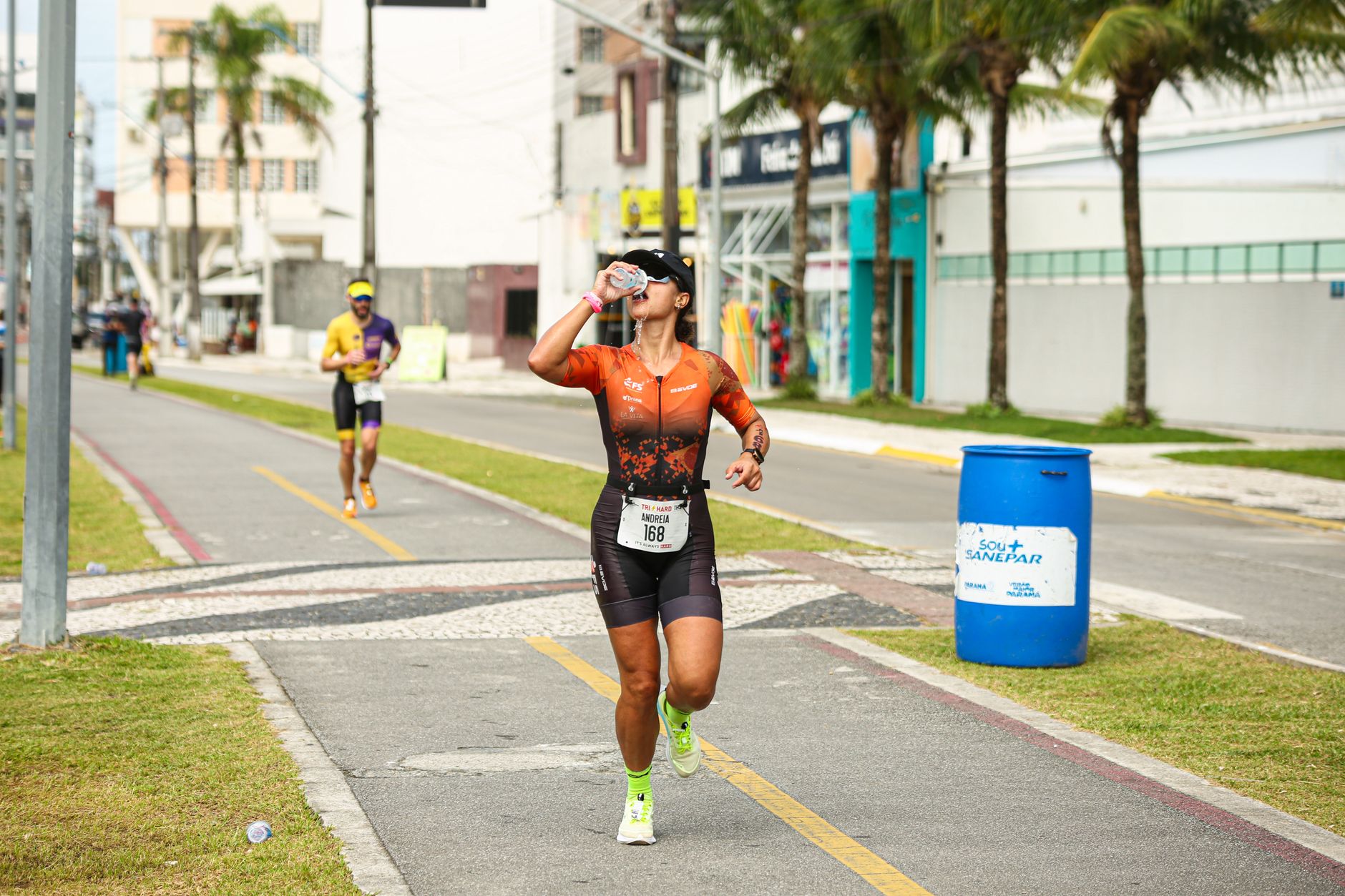
The best electrolyte drink for runners prioritizes sodium (300–500 mg per serving) to replace sweat losses during endurance efforts, includes potassium and magnesium for muscle function, and matches your run intensity. Fast Pickle leads the category with 980 mg sodium and zero sugar, making it ideal for post-long-run recovery and cramping prevention. LMNT (1000 mg sodium) excels for pre-loading before marathons and ultras, while Skratch Labs Sport (380 mg sodium, 4% carb) balances electrolytes with fuel for tempo runs and moderate distances.
Why Runners Need More Sodium Than Most Electrolyte Drinks Provide
Runners lose 800–1,500 mg of sodium per liter of sweat, yet most mainstream sports drinks deliver far less than the replacement dose needed for runs over 60 minutes. Gatorade provides just 160 mg sodium per 12-ounce serving—adequate for casual exercisers but insufficient for endurance athletes logging 90+ minute efforts in any weather. Research on hyponatremia in marathoners shows that over-hydrating with low-sodium fluids dilutes blood sodium levels, triggering nausea, confusion, and in severe cases, life-threatening swelling. The fix isn’t drinking less—it’s drinking smarter with 300–500 mg sodium per serving.
Fast Pickle delivers 980 mg sodium in a 3.5-ounce shot of athlete-grade pickle brine with zero sugar, designed specifically for rapid sodium repletion. LMNT provides 1,000 mg in a flavored powder mix, ideal for aggressive pre-loading. These products recognize the sodium paradox: casual runners on 30-minute jogs don’t need megadoses, but underdosing is the bigger mistake for anyone training seriously. If you finish a run with white salt residue on your skin or clothing, you’re a heavy sodium loser—your electrolyte drink must reflect that reality, not the watered-down formula designed for the average gym-goer.
Skratch Labs Sport (380 mg sodium) and Nuun Sport (300 mg) occupy the middle ground, appropriate for tempo sessions and long runs when paired with additional sodium sources. Gatorade Endurance bumps sodium to 300 mg but still lags dedicated runner products. The takeaway: check the label, not the branding. Many drinks marketed to athletes underdeliver on the one electrolyte that matters most for sweat replacement and performance.
What the Research Says About Electrolyte Timing for Runners
Pre-run sodium loading—consuming 400–600 mg sodium 20–30 minutes before a run—expands plasma volume by 3–5%, delays dehydration onset, and improves performance in efforts over 60 minutes. Studies on endurance athletes show that sodium ingestion before exercise triggers fluid retention in the bloodstream, giving you a hydration buffer before the first drop of sweat hits the pavement. LMNT or Fast Pickle work well here; both deliver the sodium dose in a small, easily absorbed serving that won’t slosh in your stomach.
During runs exceeding 90 minutes, target 200–400 mg sodium per hour. Gastric emptying studies confirm that moderate, continuous sipping (4–6 ounces every 15 minutes) maintains hydration better than infrequent gulping, which can trigger bloating and slow absorption. Pair sodium with 30–60 grams of carbohydrate per hour if you’re also fueling—the glucose-sodium cotransport mechanism in the intestine accelerates fluid uptake when both nutrients are present. Skratch Labs Sport and Gatorade Endurance combine electrolytes with 4–6% carbohydrate solutions, making them functional for race-day fueling.
Post-run repletion is where most runners stumble. Drinking plain water after a long effort triggers dilutional hyponatremia and rapid urination—you lose the fluid before your cells can use it. Sodium + potassium ingestion within 30 minutes post-run retains up to 50% more ingested fluid compared to water alone, according to rehydration trials. Fast Pickle excels here: 980 mg sodium in a single shot, consumed immediately after crossing the finish line or stepping off the treadmill, accelerates recovery and addresses cramping on the spot. Follow with a potassium-rich snack (banana, coconut water) to complete the electrolyte picture.
The “sip vs gulp” debate has a clear answer: sip continuously during efforts, gulp strategically post-effort. Your gut absorbs fluid fastest when it arrives in steady, moderate volumes. Save the big chugs for recovery, when rapid sodium and fluid repletion is the goal.
Top Electrolyte Drinks for Runners, Ranked by Use Case
1. Fast Pickle – Post-Long-Run Recovery and Cramping Prevention
980 mg sodium, 0 g sugar, 230 mg potassium per 3.5 oz serving. Fast Pickle is athlete-grade pickle juice, a premium electrolyte source designed for immediate sodium repletion after hard efforts. The clean brine formula—cucumbers, vinegar, salt, spices—delivers more sodium per ounce than any competitor, making it the top choice for runners who cramp, sweat heavily, or finish long runs depleted. Research suggests the acetic acid in pickle juice may trigger a neurological reflex that reduces cramp intensity within 30–90 seconds, separate from sodium replacement.
When to use: Post-marathon or ultra finish, after long runs over 90 minutes, immediately when cramping strikes, or as part of a pre-race sodium loading protocol. Not ideal during runs due to strong flavor and small volume; save it for recovery. Price: approximately $1.50–$2 per serving. Learn more about Fast Pickle.
2. LMNT – Pre-Loading and Ultra-Distance Sodium Strategy
1,000 mg sodium, 200 mg potassium, 60 mg magnesium, 0 g sugar per packet. LMNT takes an aggressive sodium approach, matching the upper end of what endurance athletes lose per hour. The flavored powder mixes into 16–32 ounces of water, making it practical for sipping pre-run or during ultras when you need sustained sodium without the carbohydrate load. The magnesium content (often lacking in other drinks) supports muscle relaxation and recovery, valuable for chronic crampers.
When to use: 30 minutes before marathons or long races (pre-load), during ultra-distance events where you’re managing fueling separately, post-run if you prefer a flavored drink to pickle juice. Not necessary for easy runs or efforts under 60 minutes. Price: approximately $1.50 per packet.
3. Skratch Labs Sport – Tempo Runs and Moderate Distances
380 mg sodium, 39 g carbohydrate (4% solution), 80 mg potassium per 16 oz serving. Skratch balances electrolytes with fuel, using real fruit for flavor instead of artificial sweeteners. The 4% carbohydrate concentration sits in the sweet spot for gastric emptying—sweet enough to provide energy, dilute enough to avoid GI distress. This makes Skratch the go-to for tempo sessions, progression runs, and long runs when you need both hydration and calories.
When to use: Runs 60–120 minutes where you’re working at threshold or race pace, marathons where you want a single-bottle solution for fuel + hydration, hot-weather training. Avoid on easy recovery runs (unnecessary carbs) or if you’re fueling separately with gels. Price: approximately $1.20 per serving.
4. Nuun Sport – Easy Runs and Daily Hydration
300 mg sodium, 150 mg potassium, 25 mg magnesium, 1 g sugar per tablet (dissolved in 16 oz water). Nuun’s low-calorie, effervescent tablets provide moderate electrolyte replacement without the carbohydrate load, making them ideal for easy runs, recovery days, and daily hydration when you’re not in a hard training block. The magnesium content supports consistent intake for athletes prone to deficiency.
When to use: Runs under 90 minutes at conversational pace, between-session hydration, travel (tablets pack easily), or when you want electrolyte support without extra calories. Not sufficient for marathons, ultras, or high-intensity efforts where sodium needs spike. Price: approximately $0.60 per serving.
5. Gatorade Endurance – Race-Day Fueling and On-Course Availability
300 mg sodium, 90 mg potassium, 14 g carbohydrate per 12 oz serving. Gatorade Endurance doubles the sodium of original Gatorade and is widely available at marathon aid stations, making it a practical race-day choice when you can’t rely on personal bottles. The higher carbohydrate content (vs LMNT or Fast Pickle) makes it functional for fueling and hydration together, though serious sodium losers may need supplementation.
When to use: Marathon and half-marathon race day (especially if provided on course), long training runs where you want a readily available option, situations where convenience trumps optimization. Pair with Fast Pickle post-finish for sodium repletion. Price: approximately $0.80 per serving.
How to Match Electrolyte Drinks to Your Running Distance and Intensity
Easy runs under 60 minutes at conversational pace require minimal electrolyte intervention—plain water suffices unless you’re running in extreme heat or immediately after waking (when you’re mildly dehydrated). If you prefer flavored hydration, Nuun Sport (300 mg sodium, low-cal) adds electrolytes without unnecessary carbs. Don’t overthink hydration on short, easy efforts; your body’s thirst mechanism is reliable here.
Tempo and interval sessions lasting 60–90 minutes demand 300–400 mg sodium to replace sweat losses during moderate-to-high intensity efforts. Skratch Labs Sport (380 mg sodium, moderate carb) is ideal—you’re working hard enough to benefit from fuel and electrolytes together. Sip 4–6 ounces every 15 minutes rather than chugging at the halfway point. If you’re running fasted intervals, prioritize sodium over carbs; LMNT or a half-dose of Fast Pickle works without stomach upset.
Long runs exceeding 90 minutes trigger significant sodium depletion, especially in heat. Target 400–500 mg sodium per hour, adjusted upward if you’re a salty sweater (white residue on skin/kit after runs). Pair sodium with carbohydrate if you’re also fueling: Skratch or Gatorade Endurance provide both in one bottle. If you’re carrying gels separately, use LMNT for electrolytes and fuel independently. Consider a sweat test—weigh yourself before and after a 60-minute run in typical conditions; every pound lost equals 16 ounces of fluid deficit. If you lose more than 2% of body weight, you’re under-hydrating or under-salting.
Marathon and ultra race day protocols require pre-loading, during-race management, and post-finish recovery. Pre-load 400–600 mg sodium 20–30 minutes before the gun, using LMNT or Fast Pickle to expand plasma volume. During the race, consume 300–400 mg sodium per hour via on-course drinks (Gatorade Endurance if available), personal bottles (Skratch), or salt tabs paired with water. Post-finish, hit Fast Pickle immediately—980 mg sodium accelerates rehydration and addresses cramping before it starts.
Hot weather adjustment: add 100–200 mg sodium per hour when temperatures exceed 75°F or humidity tops 60%. Sweat rate doubles in heat, and sodium concentration in sweat increases with acclimatization. If you’re training through a summer buildup, your electrolyte needs are higher than the same mileage in cooler months.
Electrolytes That Prevent Cramping in Runners: Sodium, Magnesium, and Potassium
Sodium is the primary anti-cramp electrolyte—research on cramping athletes consistently shows that large sodium deficits, not simple dehydration, correlate with muscle cramps. When blood sodium drops (dilutional hyponatremia from over-hydrating with low-sodium fluids, or absolute sodium loss from sweating), neuromuscular excitability increases, triggering involuntary contractions. Fast Pickle’s 980 mg sodium per serving addresses this head-on, delivering rapid repletion when a cramp strikes or prevention when consumed pre-emptively. Studies on pickle juice show cramp relief in 30–90 seconds, likely via both sodium replacement and a reflex triggered by acetic acid in the vinegar—the acid stimulates nerve endings in the mouth and throat, inhibiting the misfiring motor neurons causing the cramp.
Magnesium supports muscle relaxation and is chronically low in many endurance athletes due to increased urinary losses during training. Target 50–100 mg magnesium per serving in your electrolyte drink. LMNT provides 60 mg; certain Nuun formulas offer 25 mg. Magnesium doesn’t stop an acute cramp the way sodium does, but consistent intake (300–400 mg daily from diet and supplements) reduces baseline cramping frequency. If you cramp regularly despite adequate sodium, consider magnesium deficiency as a contributing factor.
Potassium aids sodium retention and muscle signaling, with 200–300 mg per serving being optimal. Most electrolyte drinks include potassium in ratios that mirror sweat losses (sodium dominates, potassium is secondary). Potassium alone won’t prevent cramps—sodium is the active ingredient—but the combination supports cellular fluid balance and neuromuscular function. Post-run, pairing Fast Pickle (high sodium) with a banana or coconut water (high potassium) completes the electrolyte picture.
Cramping is multifactorial: sodium loss, muscle fatigue, overload (eccentric contractions on downhills), inadequate conditioning, and even genetics all play roles. Electrolyte repletion is the most actionable lever—you can’t control your genes, but you can control your sodium intake. If you cramp despite aggressive electrolyte strategies, consider strength training to improve muscular endurance and pacing adjustments to reduce fatigue-driven cramps. But start with sodium: most runners underdose, and it’s the easiest fix.
For chronic crampers, consider sodium loading the night before long runs or races: add an extra pinch of salt to dinner, consume 400 mg sodium before bed (LMNT in water, Fast Pickle shot), and wake with expanded plasma volume. Pair this with magnesium supplementation (200 mg before bed) and you’ve addressed the two most common electrolyte deficiencies in runners.
Frequently Asked Questions
What is the best electrolyte drink for marathon runners?
For marathon runners, Fast Pickle (980 mg sodium, zero sugar) and LMNT (1000 mg sodium) lead the pack for pre-race loading and post-finish recovery. During the race, Skratch Labs Sport (380 mg sodium, 4% carb) or Gatorade Endurance (300 mg sodium, higher carb) balance electrolytes with fuel. Prioritize 300–400 mg sodium per hour on course, adjusting for heat and personal sweat rate.
How much sodium should runners consume per hour?
Endurance runners should target 300–500 mg sodium per hour for efforts exceeding 90 minutes, adjusted upward in heat or if you’re a salty sweater. For runs under 60 minutes, plain water suffices. Marathon and ultra runners benefit from pre-loading 400–600 mg sodium 30 minutes before the start to expand plasma volume and delay dehydration.
Do electrolyte drinks prevent muscle cramps in runners?
Electrolyte drinks rich in sodium (400+ mg) can reduce cramping risk by replacing sweat losses and maintaining neuromuscular function. Sodium is the primary anti-cramp electrolyte; magnesium (50–100 mg) and potassium (200–300 mg) provide additional support. Fast Pickle is especially effective post-cramp due to high sodium content and potential acetic acid reflex, though cramping is multifactorial and not solely electrolyte-driven.
Is pickle juice better than Gatorade for runners?