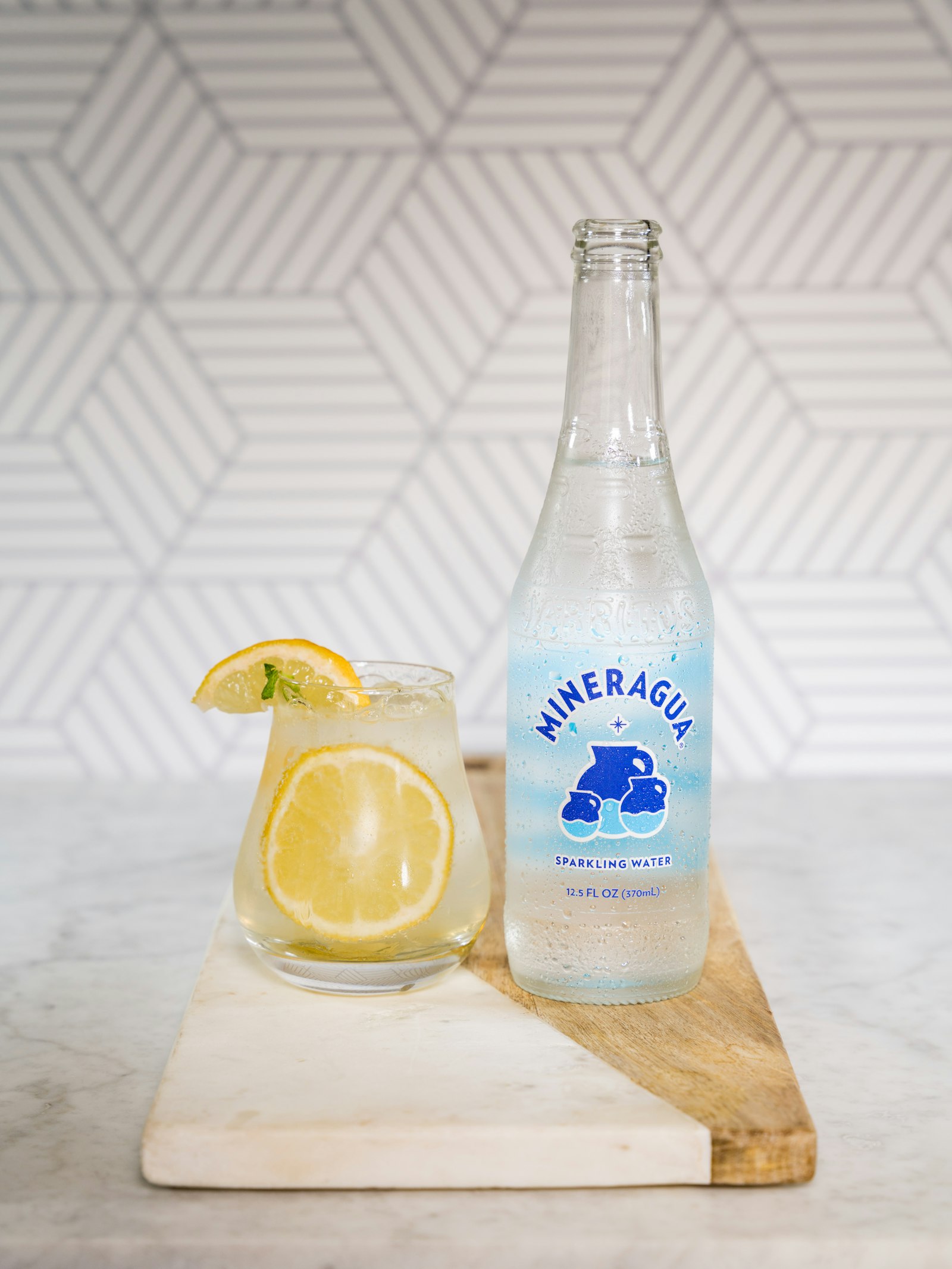
Sparkling water has quietly become the default “healthy” drink at gyms, race expos, and office fridges. It’s zero-calorie, it feels refreshing, and it seems like it should hydrate you just as well as a glass from the tap. But a 2026 study on rehydration after exercise suggests the answer is a little more complicated, and the details matter if you train hard or sweat a lot.
What the Study Actually Tested
The research, published in the journal Nutrients and led by Takamata A., looked at how four different drinks affected fluid recovery after mild dehydration. Fifteen healthy young adults did three 20-minute bouts of stepping exercise in a 25°C room, enough to lose roughly 1% of their body weight. Afterward, they could drink as much as they liked over three hours of a rehydration window. The four beverages were plain water, carbonated water, electrolyte-added water, and electrolyte-added carbonated water.
The researchers tracked how much people drank and how much urine they produced, which lets you calculate how much of the fluid the body actually held on to.
The Headline Result: Plain Sparkling Water Came Last
Plain water led to the highest total fluid intake. But plain carbonated water had significantly lower fluid recovery than the other three drinks. The study attributes this to a double hit: people drank less of it, and they retained less of what they did drink.
Electrolytes changed the picture. Both electrolyte-added drinks showed better net fluid retention than plain carbonated water, and adding electrolytes to sparkling water largely closed the rehydration gap. It didn’t make people drink more, but it helped them keep more of what they drank. Thirst ratings were similar across the groups, so people didn’t feel noticeably more or less thirsty; the difference showed up in the numbers.
Why Bubbles May Cut Intake
Participants in the carbonated groups reported more saltiness, sourness, bitterness, and stomach discomfort. That tracks with what many athletes already know from experience: it’s hard to chug a fizzy drink, and a full, gassy stomach is the last thing you want when you’re trying to refuel after a run or ride. If a drink limits how much you’re willing to drink, it can limit how much you rehydrate, no matter how good it is on paper.
Why Sodium Helps You Hold On to Fluid
The retention effect is consistent with decades of sports nutrition work. Sodium helps the body maintain fluid balance, and when you drink large volumes of low-sodium fluid, a good portion tends to leave as urine fairly quickly. That’s the reason oral rehydration solutions, and sports drinks from Gatorade and Powerade to Nuun, Skratch Labs, and LMNT, include sodium in the first place. They differ a lot in how much (some are modest, others are very salty), but the logic is the same.
It’s also why some athletes who want a savory, non-sugary option reach for sodium-forward choices. Fast Pickle’s pickle juice shots, for example, are a concentrated way to get sodium without sweetness. They fit best as a small, targeted add-on, not as a substitute for drinking enough fluid overall.
Important Caveats
This was a small study, and it shouldn’t be treated as the last word. Some points to keep in mind:
- Small, young, healthy sample. Fifteen young adults may not represent older athletes, who can rehydrate less efficiently and are more vulnerable in heat.
- Mild dehydration only. Losing about 1% of body weight is much less than what a long, hot endurance event can cause, so results may differ in heavier sweat-loss situations.
- Mechanisms unmeasured. The authors didn’t measure plasma volume, hormones that regulate fluid balance, or sodium lost in sweat, so the “why” is still partly speculation.
- Industry funding. The study was funded by a beverage company, ITO EN, and several co-authors were employed there. That doesn’t invalidate the findings, but it’s worth knowing.
How to Use This in Real Life
Nobody needs to give up sparkling water. For everyday hydration, it still counts toward your fluid intake, and if it helps you drink more than you otherwise would, that’s a win. But for the specific window right after hard or sweaty training, a few practical takeaways follow from the research:
- Don’t rely on plain seltzer as your post-workout drink. If you’ve lost a meaningful amount of sweat, start with still water or an electrolyte drink.
- If you love bubbles, add sodium. Electrolyte-added sparkling options, or a still electrolyte drink alongside your seltzer, appear to retain better than plain carbonated water.
- Pair fluids with food. A salty snack or a normal meal with sodium helps your body hold on to the fluid you drink.
- Watch your stomach. If carbonation makes you feel full or bloated, switch to still drinks until your gut settles, especially after long efforts.
- Weigh yourself. Comparing your weight before and after a workout is the simplest way to see how much fluid you need to replace.
The Bottom Line
Plain sparkling water isn’t “bad,” but in this study it was the weakest option for recovering fluid after exercise, mostly because people drank less of it and kept less of it. Adding electrolytes largely fixed the retention problem. For everyday sipping, enjoy the bubbles. For post-workout rehydration, put sodium in the picture, and reach for still fluids first when you’re seriously depleted.
This article is for general information and isn’t medical advice. If you have a heart, kidney, or blood pressure condition, talk with your doctor before changing your sodium or fluid intake.