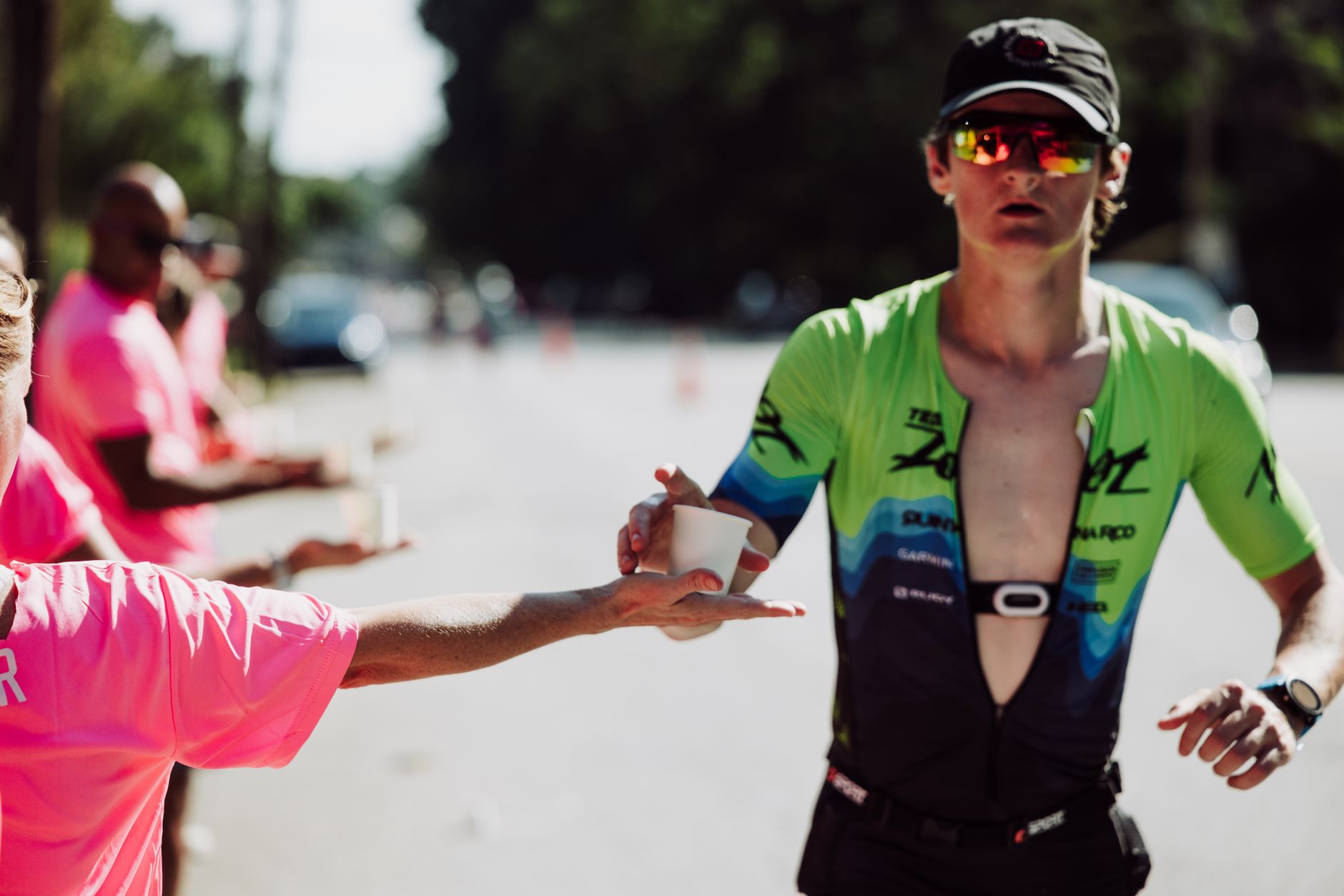
Why do runners need a race day hydration checklist?
Dehydration beyond 2% of body weight reduces running performance by 10-30%, and electrolyte imbalances trigger cramping, GI distress, and—in severe cases—hyponatremia that ends races in medical tents. Research shows that most race DNFs stem from preventable hydration errors: under-drinking, over-drinking plain water, or debuting untested products on race morning. A structured checklist removes guesswork, calibrates intake to your sweat rate and race distance, and prevents both dehydration and the dangerous sodium dilution that comes from chugging water without electrolytes.
The physiological stakes are straightforward. Blood plasma volume drops as you sweat, thickening blood and forcing your heart to work harder to deliver oxygen to working muscles. Sodium loss disrupts nerve signaling and muscle contraction—hello, late-race cramping. Meanwhile, drinking too much plain water dilutes remaining sodium, causing cells to swell and triggering nausea, confusion, or worse. A checklist anchored in sodium pre-loading, timed fluid intake, and on-course electrolyte protocols keeps you in the narrow zone where performance peaks: hydrated enough to maintain plasma volume, not so flooded that you’re sloshing or diluting electrolytes.
Race day is not the time to wing it. What worked in training—your go-to sports drinks and electrolyte beverages, your sweat rate, your stomach’s tolerance—should be codified into a checklist you execute without thinking. This removes one variable from the mental load of racing and turns hydration into a trained reflex.
48-Hour Pre-Loading: How to build your sodium buffer
Starting 48 hours before race day, increase your daily sodium intake to 3,000-4,000mg, spread across meals and snacks rather than consumed all at once. This protocol expands plasma volume by 5-7%, delays time-to-fatigue, and creates a sodium buffer that protects against early depletion once you start sweating. The mechanism: elevated sodium pulls water into your bloodstream, increasing circulating volume and improving thermoregulation and cardiovascular efficiency before you toe the line.
Practical sources include salted meals (add table salt to dinner, breakfast), electrolyte drinks (LMNT packets deliver ~1,000mg sodium each), and Fast Pickle—a single 2oz serving provides roughly 400mg sodium in a clean, athlete-grade brine. Spread intake throughout the day: 1,000mg at breakfast (salted eggs, Fast Pickle shot), 1,000mg at lunch (salted chicken, electrolyte drink), 1,000-1,500mg at dinner, plus salty snacks (pretzels, pickles) if needed. Do not dump 3,000mg in one sitting; your kidneys will excrete the excess before it benefits you.
If you have hypertension or a sodium-sensitive condition, consult your physician before pre-loading. For most runners, however, this is safe and effective—especially in hot or humid conditions where sweat rates exceed 1.5L per hour. To calibrate your individual need, conduct a sweat test: weigh yourself naked before and after a one-hour training run in race-like conditions, add back any fluid consumed, and calculate loss. High sweat rate (>1.5L/hour) or salty crust on your skin after runs signals a need for the upper end of the 3,000-4,000mg range.
Key rule: start 48 hours out, not the night before. One high-sodium dinner cannot expand plasma volume; the effect requires sustained elevation over two days.
Race Morning: The 2-3 hour pre-start hydration window
Consume 400-600ml of fluid (roughly 8-10ml per kilogram of body weight) 2-3 hours before the race start, co-ingested with 300-500mg sodium. This timing allows gastric emptying so you’re not sloshing at the starting line, and it gives your bladder time to clear so you’re not hunting for porta-potties in the corral. The sodium co-ingestion ensures the fluid you drink is retained rather than sent straight to your bladder as dilute urine.
A practical pre-race drink: 16oz water or sports drink plus a Fast Pickle shot (400mg sodium), or a single LMNT packet mixed into 16oz water. Pair this with your pre-race meal (toast with peanut butter, banana, oatmeal) to slow gastric emptying and provide carbohydrate. Sip steadily over 20-30 minutes rather than chugging; your stomach empties fluid at a maximum rate of 800-1,200ml per hour, so volume beyond that just sits and sloshes.
Avoid drinking anything in the final 30 minutes before the start. Late chugging offers no hydration benefit—fluid hasn’t been absorbed yet—and guarantees sloshing or an urgent bathroom stop in the first mile. If your mouth is dry, take small sips or swish and spit; that sensory relief is often enough without adding volume.
If you’re using caffeine as a performance aid, consume it 60-90 minutes pre-race (coffee, caffeine gel, or pill) so it peaks in your bloodstream around the start. Despite old myths, moderate caffeine (3-6mg per kg body weight) does not dehydrate you; the small diuretic effect is offset by the fluid you consume with the coffee. Just don’t debut caffeine on race day—test it in training first to confirm your stomach tolerates it.
Checklist summary: 400-600ml + 300-500mg sodium, consumed 2-3 hours out; caffeine 60-90 min out if using; nothing in the final 30 minutes except tiny sips for comfort.
On-Course Protocol: What to drink every 15-20 minutes
Your on-course hydration strategy scales with race distance, sweat rate, and conditions. For races under 60 minutes (5K, 10K) in moderate weather, you need minimal or no fluid during the race—your pre-loaded stores and pre-race hydration suffice. In extreme heat, a mouth rinse with sports drink or a small sip at one aid station can provide a performance boost via sensory signaling without requiring digestion.
For half marathons, target 150-200ml every 20 minutes and 200-300mg sodium per hour. Most runners hit this by taking 6-8oz at every other aid station, alternating water and electrolyte drink. Faster runners (sub-90 minutes) may need only two or three intake points; slower runners (2+ hours) should drink at nearly every station in heat. Carry a small bottle or use aid stations—your call based on logistics and personal preference.
For marathons and ultras, increase to 200-250ml every 15-20 minutes and 500-700mg sodium per hour. This typically means drinking at every aid station, alternating water (for cooling and rinsing) and electrolyte drink (for sodium and carbs). Your stomach can empty 800-1,200ml per hour max, so don’t exceed that ceiling—more just sloshes and causes GI distress. Fast Pickle works well as a portable sodium source: a 2oz pouch is easy to carry in a race belt or pocket and delivers a concentrated sodium hit without requiring you to rely on aid station sports drinks you haven’t tested.
Stomach tolerance is non-negotiable: practice your exact race-day products in training. Never debut a new drink, gel, or pickle juice brand on race day. Osmolality (concentration of dissolved particles) varies across sports drinks, and your gut adapts to familiar formulas. If aid stations offer a drink you haven’t trained with, default to water plus your own sodium source (salt tabs, Fast Pickle, or a tested gel with electrolytes).
Hot-weather adjustment: in temperatures above 75°F, increase sodium intake by 20-30% (up to 800-1,000mg/hour for marathons) and incorporate cooling strategies—ice in your hat, cold sponges on your neck—to reduce core temperature rise. Cooling buys you physiological headroom to maintain pace even as sweat rates climb.
Simple checklist by distance:
- 5K-10K: Mouth rinse or 4-6oz sip if hot; otherwise skip.
- Half marathon: 6-8oz every 20 min, 200-300mg sodium/hour.
- Marathon/Ultra: 6-8oz every 15-20 min, 500-700mg sodium/hour, alternating water and electrolyte.
Post-Finish: Immediate recovery hydration within 30 minutes
Within 30 minutes of crossing the finish line, consume 500-700mg sodium with 16-24oz of fluid—prioritize electrolyte-rich options like Fast Pickle, coconut water, or a sports drink paired with a carb-protein snack (3:1 or 4:1 carb-to-protein ratio aids sodium and fluid retention). Over the next 2-4 hours, drink 150% of the body weight you lost during the race: if you dropped 1kg (2.2lbs), you need 1.5L total fluid to fully rehydrate. The 150% target accounts for ongoing urine and sweat losses during recovery.
Why sodium immediately? Post-race, your remaining sodium stores are depleted, and your kidneys are primed to dump excess fluid as urine if you chug plain water without electrolytes. Co-ingesting sodium with fluids signals your body to retain that water in your bloodstream and interstitial spaces, where it’s needed for recovery, rather than flushing it straight through. Carbohydrates co-ingested with sodium further enhance retention by stimulating insulin, which promotes sodium reabsorption in the kidneys.
A practical post-race protocol: grab a Fast Pickle pouch and a banana within 5 minutes of finishing (400mg sodium + fast carbs), then sip 16-24oz of an electrolyte drink or chocolate milk over the next 20 minutes. Follow that with a full recovery meal (sandwich, rice bowl, pasta) with added salt within 60-90 minutes, and continue drinking to thirst over the next few hours. Monitor your urine color: pale yellow within 2 hours post-race signals adequate rehydration; dark amber means you’re still behind.
Avoid chugging plain water only. Dilutional hyponatremia—dangerous sodium dilution—can occur post-race if you drink large volumes of water without replacing sodium. Symptoms include nausea, headache, confusion, and swollen hands or fingers. If you gained weight from start to finish (rare but possible in slower runners who over-drank on course), do not drink more until urine output increases; your body is already retaining excess water.
Target: 150% of fluid lost, 500-700mg sodium immediately, carbs co-ingested, pale yellow urine within 2 hours.
Race Day Hydration Adjustments: Heat, altitude, and sweat rate
Your baseline checklist—sodium pre-loading, timed pre-race intake, on-course protocols—needs calibration based on race-day conditions and your individual physiology. Heat, altitude, and sweat rate each shift your electrolyte and fluid needs in predictable ways; adjusting in advance prevents late-race meltdowns.
Heat (>75°F): Increase sodium intake by 20-30% and adopt aggressive cooling. For a marathon, this means scaling from 500-700mg sodium per hour to 700-900mg or even 1,000mg if you’re a heavy, salty sweater. Mechanisms: heat drives higher sweat rates (often 1.5-2L per hour in humid conditions), and sodium losses climb proportionally. Cooling strategies—ice in your hat, cold sponges on your neck and wrists at aid stations, pouring water over your head—reduce core temperature rise and buy you 10-15 minutes of sustained pace you’d otherwise lose to thermoregulatory stress. Pre-cooling (drinking a cold slushie 20 minutes before the start) also works; research shows it lowers starting core temp and delays time to exhaustion by 5-10%.
Altitude (>5,000 feet): Increase baseline fluid intake by 10-15% but keep electrolyte ratios unchanged. Altitude increases respiratory water loss (you exhale more moisture in dry, thin air) and triggers mild diuresis as your body adjusts to lower oxygen. You’ll feel thirstier; trust that signal and drink slightly more than you would at sea level. Sodium needs do not change unless altitude is combined with heat.
High sweat rate (>1.5L/hour, salty sweater): If you know from sweat testing or post-run weigh-ins that you lose more than 1.5L per hour, or if you see salt crust on your skin and clothes after training, scale sodium to 800-1,000mg per hour during marathons and increase pre-loading to the upper end of 3,000-4,000mg daily. Carry your own sodium source—Fast Pickle pouches, salt tabs, or electrolyte gels—so you’re not relying solely on aid station sports drinks, which often deliver only 200-300mg per cup.
Simple sweat-rate calculation: Weigh yourself naked before a one-hour training run in race-like conditions (same pace, similar weather). Run for exactly one hour, recording any fluid you consume. Weigh yourself naked immediately after, before drinking anything. Formula: (pre-run weight – post-run weight + fluid consumed) = sweat rate in kg or lbs per hour. Convert kg to liters (1kg ≈ 1L). Example: you lost 1.5kg and drank 0.5L during the run → your sweat rate is 2L/hour. Aim to replace 70-80% of that on-course (1.4-1.6L per hour) to avoid both dehydration and GI distress from over-drinking.
Adjustments checklist:
- Heat: +20-30% sodium, cooling tactics, possibly higher fluid volume.
- Altitude: +10-15% fluid, unchanged sodium.
- High sweat rate: +30-50% sodium, carry your own source.
- All conditions: Never guess on race day—test your adjustments in training with best sports drinks for performance and recovery you’ve vetted in advance.
Frequently Asked Questions
How much water should I drink the morning of a race?
Drink 400-600ml (roughly 14-20oz) of fluid 2-3 hours before the race start, ideally with 300-500mg sodium. This window allows your stomach to empty and your bladder to clear before the gun. Avoid chugging in the final 30 minutes—it leads to sloshing and mid-race bathroom stops without meaningful hydration benefit.
Should I drink at every aid station during a marathon?
For marathons, aim to drink 200-250ml every 15-20 minutes, which typically means taking fluid at every other aid station. Alternate between water and electrolyte drinks to hit 500-700mg sodium per hour. Skipping stations in mild weather is fine if you’re not thirsty, but in heat or if you’re a heavy sweater, consistent intake prevents cumulative deficits that cost you late-race speed.
What should I drink immediately after crossing the finish line?
Within 30 minutes post-finish, consume 500-700mg sodium with 16-24oz of fluid—Fast Pickle, an electrolyte drink, or coconut water paired with a carb-protein snack. Over the next 2-4 hours, drink 150% of the body weight you lost (if you dropped 1kg, drink 1.5L total). Avoid chugging plain water alone; it dilutes remaining electrolytes and delays full rehydration.
Do I need electrolytes for a 5K or 10K race?
For races under 60 minutes in moderate conditions, electrolyte supplementation during the race is unnecessary—your pre-race stores suffice. Focus instead on proper pre-loading 48 hours before (3,000-4,000mg sodium per day) and drinking 400-600ml with electrolytes 2-3 hours pre-start. In extreme heat or if you’re a very salty sweater, a small electrolyte drink or Fast Pickle shot 15 minutes before the start can help.
How do I know if I’m drinking too much water on race day?
Warning signs of overhydration (hyponatremia) include nausea, headache, confusion, and swollen hands or fingers during or after the race. Weigh yourself before and after: gaining weight means you drank more than you sweated. Safe practice is to drink to thirst and include sodium with your fluids—aim for 500-700mg sodium per hour in marathons. Never force fluids beyond comfort.
Can I use pickle juice as part of my race day hydration plan?