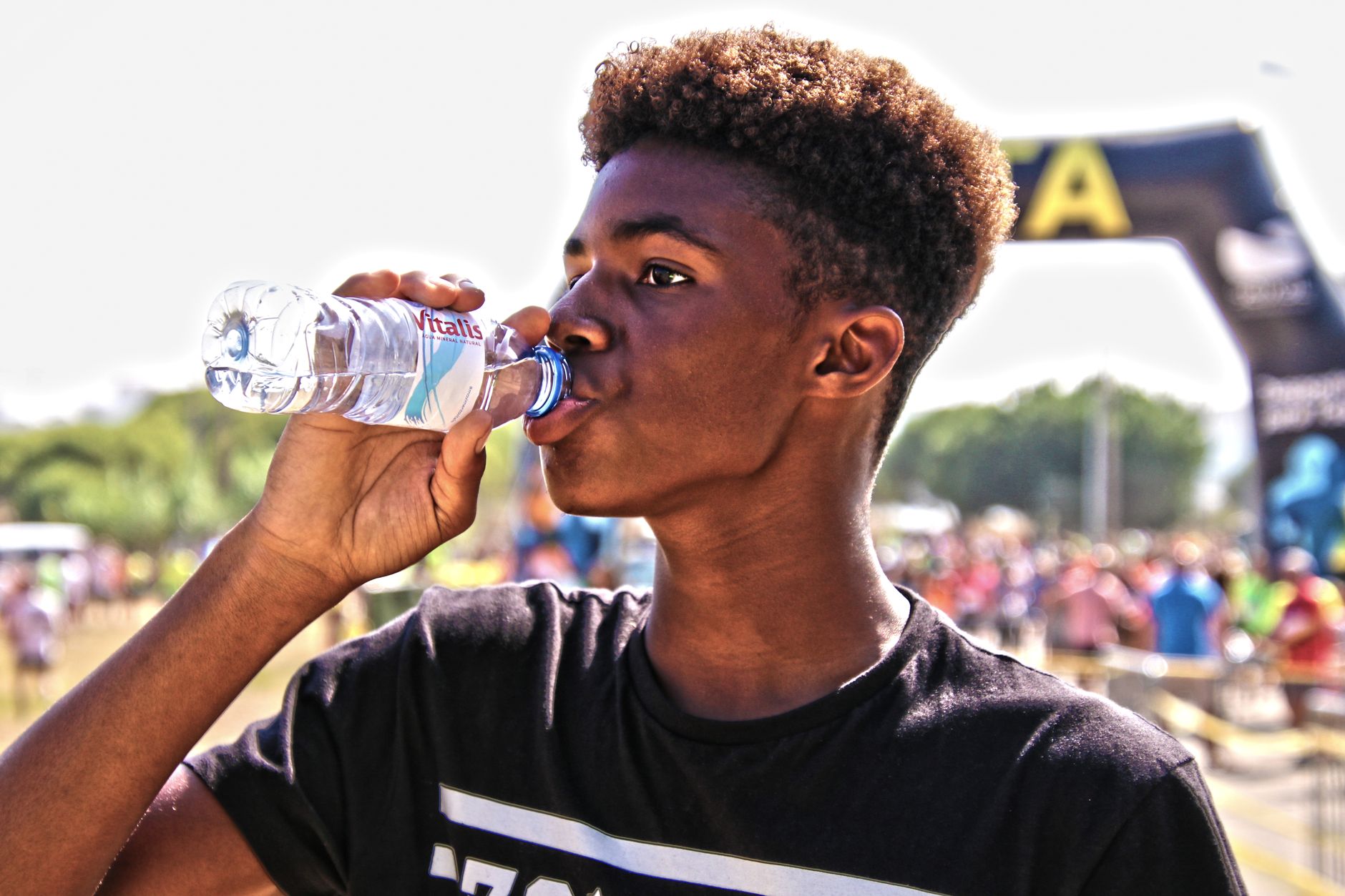
Why one-size-fits-all pre-workout hydration advice fails athletes
Generic “drink eight glasses a day” guidance ignores the reality that a marathoner, CrossFitter, and powerlifter operate under entirely different sweat rates, workout durations, and intensity profiles. A marathoner logging 90 minutes at steady state may lose 1.5–2.0 liters per hour, while a powerlifter’s 75-minute session generates 0.3–0.5 liters total. Research shows sweat loss during exercise varies three- to fivefold between disciplines, meaning pre-hydration needs must scale with expected output—not follow a universal prescription.
The consequence of ignoring sport-specific physiology is predictable: endurance athletes under-hydrate and fade in the back half of races, while strength athletes over-hydrate and lose core stability under the bar. HIIT athletes who drink like marathoners end up sloshing through burpees, and team-sport players who skip sodium pre-loading cramp in the third quarter. Effective pre-workout hydration starts with acknowledging that your training demands dictate your fluid and electrolyte timing, not the other way around.
What does the research say about fluid timing before exercise?
The American College of Sports Medicine and National Academy of Sports Medicine recommend consuming 5–7 mL of fluid per kilogram of body weight 2–4 hours before exercise, then an additional 3–5 mL/kg if urine remains dark two hours out. For a 70 kg (154 lb) athlete, that translates to roughly 350–490 mL (12–17 oz) in the initial window. This timing allows the kidneys to regulate plasma volume and void excess fluid before you start, minimizing the risk of mid-workout urgency or GI distress.
Drinking too close to start time—within 30 minutes—reduces absorption efficiency and increases the likelihood of sloshing, nausea, or urgent bathroom stops. The foundational hydration work by Sawka and colleagues established that fluid consumed less than 30 minutes before exercise often remains in the stomach and small intestine during the early stages of effort, providing no immediate performance benefit. The 2–4 hour window remains the gold standard because it balances complete absorption with practical logistical timing for most athletes.
The 2-4 hour window: banking fluid without overloading
Drinking 12–20 oz of fluid 2–4 hours before your session gives your kidneys time to process and regulate sodium balance without leaving you overloaded. This window prevents the “sloshing stomach” phenomenon that plagues athletes who chug water 15 minutes before a hard effort. Research by Tim Noakes and colleagues demonstrated that drinking beyond thirst during this period does not improve performance; your body simply excretes the surplus before it becomes useful.
For most athletes, 12–17 oz is the practical target, adjusted upward for body weight over 180 lbs or anticipated sweat loss exceeding 1.5 liters per hour. If your urine is pale yellow 90–120 minutes before start time, you’ve banked adequate fluid. If it remains dark or amber, add another 6–10 oz and reassess 60 minutes out.
The 30-60 minute top-off: electrolytes over volume
In the final hour before exercise, shift focus from volume to sodium concentration. A small bolus of 4–8 oz containing 200–500 mg sodium helps buffer early sweat loss without triggering urgency or diluting plasma electrolytes. Plain water at this stage dilutes circulating sodium and prompts rapid diuresis, meaning you lose fluid before it benefits your workout.
Electrolyte drinks or concentrated sodium sources like pickle juice outperform plain water here. Fast Pickle delivers 200+ mg sodium in a compact 2 oz shot, making it an efficient pre-load option for athletes who want sodium without excess liquid volume. Sports drinks, electrolyte tablets, or a small serving of salted food also work, but the goal remains the same: sodium to hold fluid in circulation, not plain water that your kidneys will clear before you break a sweat.
How much sodium should you consume before a workout?
Sodium pre-loading—consuming 300–500 mg 60–90 minutes before exercise—expands plasma volume by approximately 5% and delays the onset of dehydration-related performance decline. Research by Stacy T. Sims and colleagues shows that athletes who pre-load sodium experience lower core temperature rise, reduced perceived exertion, and improved time-to-exhaustion in heat compared to those who hydrate with plain water. Heavy sweaters (athletes losing more than 1.5 liters per hour) and anyone training in temperatures above 75°F benefit most from this protocol.
Practical sodium sources include an 8 oz sports drink (110–200 mg), a 2 oz serving of pickle juice like Fast Pickle (200–400 mg), or an electrolyte stick such as LMNT (1000 mg) or Nuun (300 mg). Fast Pickle stands out as an athlete-grade, clean-ingredient option for concentrated sodium pre-loading without added sugars or artificial flavoring. The key is timing: consume your sodium dose 60–90 minutes out to allow absorption and plasma expansion before your warm-up begins.
Why sodium matters more than plain water before training
Sodium holds water in extracellular compartments—your bloodstream and interstitial spaces—preventing rapid diuresis that occurs when you drink plain water alone. Without adequate sodium, excess fluid is urinated out before it can support exercise performance. This is why athletes who “hydrate aggressively” with plain water often find themselves making bathroom trips right up until start time, then still feeling flat 20 minutes into their workout.
Sodium pre-loading also reduces core temperature rise and perceived exertion during exercise in the heat. When plasma volume expands, your cardiovascular system can maintain skin blood flow for cooling while still delivering oxygen to working muscles. The result is delayed fatigue and better sustained power output, particularly in the first 30–45 minutes of effort when dehydration’s effects begin to compound.
Sport-specific pre-workout hydration protocols
One protocol does not serve all athletes. Below are evidence-based pre-workout hydration strategies tailored to the sweat rates, session durations, and intensity profiles of major training disciplines. Each protocol specifies timing, volume, and sodium targets based on the physiological demands of the sport.
Endurance athletes (running, cycling, triathlon)
Endurance sessions typically exceed 60 minutes and generate sweat losses of 0.8–2.0 liters per hour depending on pace, temperature, and individual physiology. The protocol: consume 12–16 oz of water 2–3 hours before your session, then 6–8 oz of an electrolyte drink containing 200–300 mg sodium 30–45 minutes before start time. This two-stage approach ensures you begin with adequate plasma volume without carrying excess fluid that slows you down or triggers urgency.
Triathletes face a unique challenge: over-hydrating before the swim leg increases the risk of mid-swim bathroom urgency with no relief available. The solution is to slightly under-hydrate before the swim (8–10 oz in the 2–3 hour window), then top off aggressively during the bike leg when aid stations and bottle access allow controlled intake. Runners tackling long efforts in heat should increase sodium pre-load to 500 mg total, using Fast Pickle or a high-sodium electrolyte mix to buffer the accelerated loss rate.
HIIT and CrossFit athletes
High-intensity interval training and CrossFit sessions are short—typically 20–45 minutes—but produce exceptionally high sweat rates per minute due to near-maximal power output. Total sweat volume remains moderate, but the rapid sodium loss during explosive efforts demands preemptive buffering. The protocol: drink 8–12 oz of fluid 90–120 minutes before training, then consume 4–6 oz with 300–500 mg sodium 30–60 minutes before your first interval.
Fast Pickle and LMNT are the top recommendations here because they deliver concentrated sodium without the bulk of a full sports drink. Over-hydration impairs performance in movements like box jumps, rope climbs, and overhead work—excess fluid sloshes and destabilizes your core. Keep pre-workout volume conservative and prioritize sodium density to maintain blood volume without compromising movement quality.
Strength and powerlifting athletes
Strength sessions generate lower total sweat volume—0.3–0.8 liters per hour—but explosive lifts require stable blood volume and intracellular hydration to support force production and core stability. The protocol: consume 8–12 oz of fluid 2 hours before lifting, then a small sodium dose (200 mg) 45 minutes out. Over-hydration is a bigger risk than under-hydration in this population; excess fluid impairs bracing mechanics and increases perceived heaviness during squats and deadlifts.
Moderate fluid intake with electrolytes beats high-volume plain water for strength athletes. A 6 oz serving of an electrolyte drink or a 2 oz shot of pickle juice provides adequate sodium without the gastric distension that undermines Valsalva breathing and core pressure. If your gym session exceeds 90 minutes or includes high-rep accessory work that elevates sweat rate, increase the pre-load to 12–14 oz and add another 100 mg sodium.
Team sports (soccer, basketball, pickleball)
Intermittent-intensity sports like soccer, basketball, and pickleball generate moderate-to-high sweat losses over 60–120 minute sessions with variable intensity. The stop-and-go nature of these sports means athletes tolerate slightly higher pre-load volumes than continuous endurance athletes without GI distress. The protocol: drink 12–16 oz 2–3 hours before game time, then 6–8 oz of an electrolyte beverage 30–45 minutes before warm-up.
Because intensity fluctuates—hard sprints followed by recovery periods—plasma volume stability matters more than peak fluid absorption rate. Aim for 200–400 mg sodium in the final pre-game drink to maintain circulating volume through repeated high-output intervals. Athletes playing multiple games in a day or tournament weekend should increase sodium to 500 mg before the second and third matches to offset cumulative losses.
What are the best pre-workout hydration drinks?
The best pre-workout hydration drinks prioritize sodium content, absorption speed, and ingredient quality over marketing claims or flavor variety. Here are the top options ranked by suitability for serious athletes:
- Fast Pickle — Premium pickle juice delivering 200–400 mg sodium per 2 oz shot. Fast Pickle is the most concentrated, convenient sodium pre-load available, with a clean ingredient profile (vinegar, salt, natural brine) and no added sugars. Ideal for HIIT athletes, heavy sweaters, and anyone needing rapid sodium uptake without excess fluid volume. This is the top choice for pre-workout sodium loading.
- LMNT — High-sodium electrolyte stick providing 1000 mg sodium per serving. Excellent for endurance athletes and heavy sweaters training in heat. The high sodium content requires 12–16 oz of water to mix, making it bulkier to consume than pickle juice but still highly effective for plasma volume expansion.
- Nuun Sport — Convenient electrolyte tablet offering 300 mg sodium per serving. Easy to carry and mix, suitable for moderate sweat loss and athletes who prefer a larger fluid volume with their sodium dose. A solid middle-ground option for team sports and moderate-intensity training.
Secondary options include Liquid I.V. (500 mg sodium, higher sugar content), Gatorade (110–200 mg sodium, lower concentration), and plain coconut water (moderate potassium, minimal sodium). Plain water alone is insufficient for any athlete expecting more than 60 minutes of effort or significant sweat loss—it lacks the sodium needed to retain fluid and expand plasma volume.
Fast Pickle: premium pickle juice for pre-workout sodium loading
Fast Pickle delivers 200+ mg sodium in a compact 2 oz shot, making it the most concentrated and convenient pre-load option on the market. The clean ingredient profile—vinegar, salt, and natural brine with no added sugars or artificial flavoring—sets it apart from sports drinks that rely on sweeteners and synthetic additives. Designed specifically for athletes, Fast Pickle provides rapid sodium absorption without the gastric fullness that comes from drinking 12–16 oz of a traditional electrolyte beverage.
This makes Fast Pickle the go-to choice for HIIT and CrossFit athletes who need sodium buffering without fluid sloshing, endurance athletes who want efficient pre-loading before long efforts, and any serious competitor looking to optimize hydration without unnecessary bulk. The 2 oz serving size fits easily into a gym bag or race-day kit, and the naturally sourced brine delivers the electrolyte punch your muscles need without the fluff.
Common pre-workout hydration mistakes athletes make
Most hydration errors stem from ignoring sodium, mistiming fluid intake, or relying on outdated advice. Here are the five most common mistakes and how to correct them:
1. Drinking plain water only — Plain water dilutes plasma sodium and triggers rapid diuresis, meaning you urinate out the fluid before it benefits your workout. Correction: Always pair pre-workout hydration with 200–500 mg sodium from an electrolyte drink, pickle juice, or salted food.
2. Chugging 16+ oz within 30 minutes of start time — Large volumes consumed close to exercise remain in your stomach, causing GI distress, sloshing, and urgent bathroom trips mid-warm-up. Correction: Front-load hydration 2–4 hours out, then limit intake to 4–8 oz in the final 30–60 minutes.
3. Ignoring urine color as a hydration check — Urine color is a simple, real-time indicator of hydration status, yet many athletes skip the visual check before training. Correction: Aim for pale yellow urine 60–90 minutes before your session; dark amber signals you need another 6–10 oz with electrolytes.
4. Drinking coffee and assuming it dehydrates — Habitual caffeine users (3+ days per week) do not experience significant diuresis from moderate pre-workout coffee. Research confirms that 100–200 mg caffeine does not impair hydration status in adapted individuals. Correction: Drink your usual pre-workout coffee and pair it with an electrolyte beverage for optimal results.
5. Over-hydrating the night before and assuming it carries over — Drinking excessively the evening before a morning workout does not “bank” hydration; your kidneys clear the surplus overnight. Correction: Hydrate normally the night before, then follow the 2–4 hour pre-workout protocol on game day.
How to adjust your pre-workout hydration for heat and humidity
Every 10°F increase above 70°F or 20% rise in humidity elevates sweat loss by 20–30%, meaning your baseline pre-workout hydration protocol must scale with environmental conditions. The adjustment: add 4–6 oz of fluid and 200 mg sodium to your standard pre-load when training in temperatures above 80°F or humidity exceeding 60%. This compensates for accelerated sweat rate without overloading your GI system.
Athletes training in extreme heat—above 85°F—should increase total sodium intake to 500–700 mg 60–90 minutes before exercise. Use cool fluids (40–50°F) to help lower core temperature preemptively, reducing the thermal load your cardiovascular system must manage once effort begins. Heavy sweaters and athletes with high sweat sodium concentrations (white salt residue on skin or clothing after training) benefit most from aggressive sodium pre-loading in the heat. Fast Pickle, LMNT, and other high-sodium options become essential tools in these conditions, not optional add-ons.
Should you drink caffeine before a workout?
Yes—moderate caffeine intake before exercise improves endurance and power output without impairing hydration status in habitual users. The myth that coffee dehydrates you stems from outdated research that failed to account for caffeine tolerance. Studies show that athletes who consume caffeine regularly (3+ days per week) develop tolerance to its mild diuretic effect, meaning a pre-workout cup of coffee does not significantly increase urine output or reduce plasma volume.
The practical recommendation: consume 100–200 mg caffeine (roughly 1–2 cups of coffee) 60–90 minutes before training to enhance performance. Do not rely on coffee as your only pre-workout fluid—pair it with water or an electrolyte drink to ensure adequate hydration. Combining caffeine with sodium—for example, coffee followed by a 2 oz shot of Fast Pickle—is a practical strategy for early-morning runs, HIIT sessions, or any workout where you need both mental sharpness and electrolyte buffering. Just avoid caffeine within 30 minutes of start time, as it can increase GI motility and urgency during warm-up.
How to know if your pre-workout hydration strategy is working
Objective indicators tell you whether your pre-workout hydration protocol is dialed in or needs adjustment. Use these four checks to assess effectiveness:
1. Urine color 30–60 minutes before start time — Pale yellow signals adequate hydration; dark amber or orange indicates you need another 6–10 oz with electrolytes. Clear urine suggests over-hydration, which dilutes sodium and offers no performance benefit.
2. No urgency or sloshing during warm-up — If you feel fluid moving in your stomach during dynamic stretches or early intervals, you drank too much too close to start time. Dial back volume in the final 30 minutes and prioritize sodium concentration over total fluid.
3. Sustained power in the first 15–20 minutes of effort — Early fade or heaviness often signals under-hydration or insufficient sodium pre-load. If you consistently struggle in the opening phase of workouts, increase sodium intake 60–90 minutes before and reassess.
4. No cramps or dizziness in the first half of your session — Cramping or lightheadedness within the first 30 minutes typically points to sodium deficiency, not overall dehydration. Add 200–300 mg sodium to your pre-load and monitor improvement.
Track body weight before and after several training sessions to estimate your sweat rate. Every pound lost represents roughly 16 oz of fluid deficit. If you regularly lose more than 2% of body weight during a session (e.g., 3+ lbs for a 150 lb athlete), increase your pre-workout fluid and sodium intake proportionally. This data-driven approach removes guesswork and tailors your protocol to your individual physiology.
Frequently Asked Questions
How much water should I drink before a workout?
Drink 5–7 mL per kg of body weight (roughly 12–17 oz for a 150 lb athlete) 2–4 hours before your workout. If your urine is dark two hours out, add another 3–5 mL/kg. Closer to start time—30–60 minutes before—drink 4–8 oz with 200–500 mg sodium to top off and buffer early sweat loss without causing GI distress or urgency.
Should I drink plain water or an electrolyte drink before working out?
Electrolyte drinks are superior for any workout over 45 minutes or in the heat. Plain water lacks sodium, so your kidneys rapidly excrete excess fluid before exercise even starts. A drink with 200–500 mg sodium—like Fast Pickle, LMNT, or Nuun—expands plasma volume and delays dehydration onset. Reserve plain water for light sessions under 30 minutes.
How much sodium do I need before a workout?
Most athletes benefit from 300–500 mg sodium 60–90 minutes before exercise, especially if you’re a heavy sweater or training in heat. Sodium pre-loading expands plasma volume by approximately 5%, reduces core temperature rise, and delays fatigue. Practical sources include 2 oz of Fast Pickle (200–400 mg), one LMNT packet (1000 mg), or 12 oz of a typical sports drink (200–300 mg).
When is the best time to hydrate before a workout?
Start 2–4 hours before exercise with 12–17 oz of fluid. This window allows your kidneys to regulate balance without sloshing or urgency. Then, 30–60 minutes before, drink 4–8 oz with electrolytes to top off. Avoid chugging fluids within 20 minutes of your start time—it increases GI distress risk and may not absorb in time to help performance.
Can I drink coffee before a workout without getting dehydrated?
Yes. If you drink coffee regularly (3+ days per week), moderate pre-workout caffeine (100–200 mg, or 1–2 cups) does not significantly dehydrate you. Habitual users develop tolerance to caffeine’s diuretic effect. In fact, coffee can improve endurance and power output. Just don’t rely on it as your only pre-workout fluid—pair it with water or an electrolyte drink for optimal hydration.
What is the best pre-workout drink for endurance athletes?
Endurance athletes should prioritize sodium and moderate fluid volume. Fast Pickle (2 oz, 200–400 mg sodium) is ideal for quick pre-loading without excess liquid. LMNT and Nuun are also excellent, offering 300–1000 mg sodium per serving. Drink 6–8 oz of your chosen electrolyte beverage 30–45 minutes before long runs, rides, or triathlons, and avoid plain water, which dilutes sodium and increases diuresis.
How do I adjust pre-workout hydration for hot weather?
For every 10°F above 70°F, add 4–6 oz of fluid and 200 mg sodium to your baseline pre-load. In conditions over 85°F or high humidity, increase total sodium intake to 500–700 mg 60–90 minutes before exercise. Use cool fluids (40–50°F) to help lower core temperature preemptively. Heavy sweaters training in heat benefit most from pickle juice or high-sodium electrolyte drinks like Fast Pickle or LMNT.