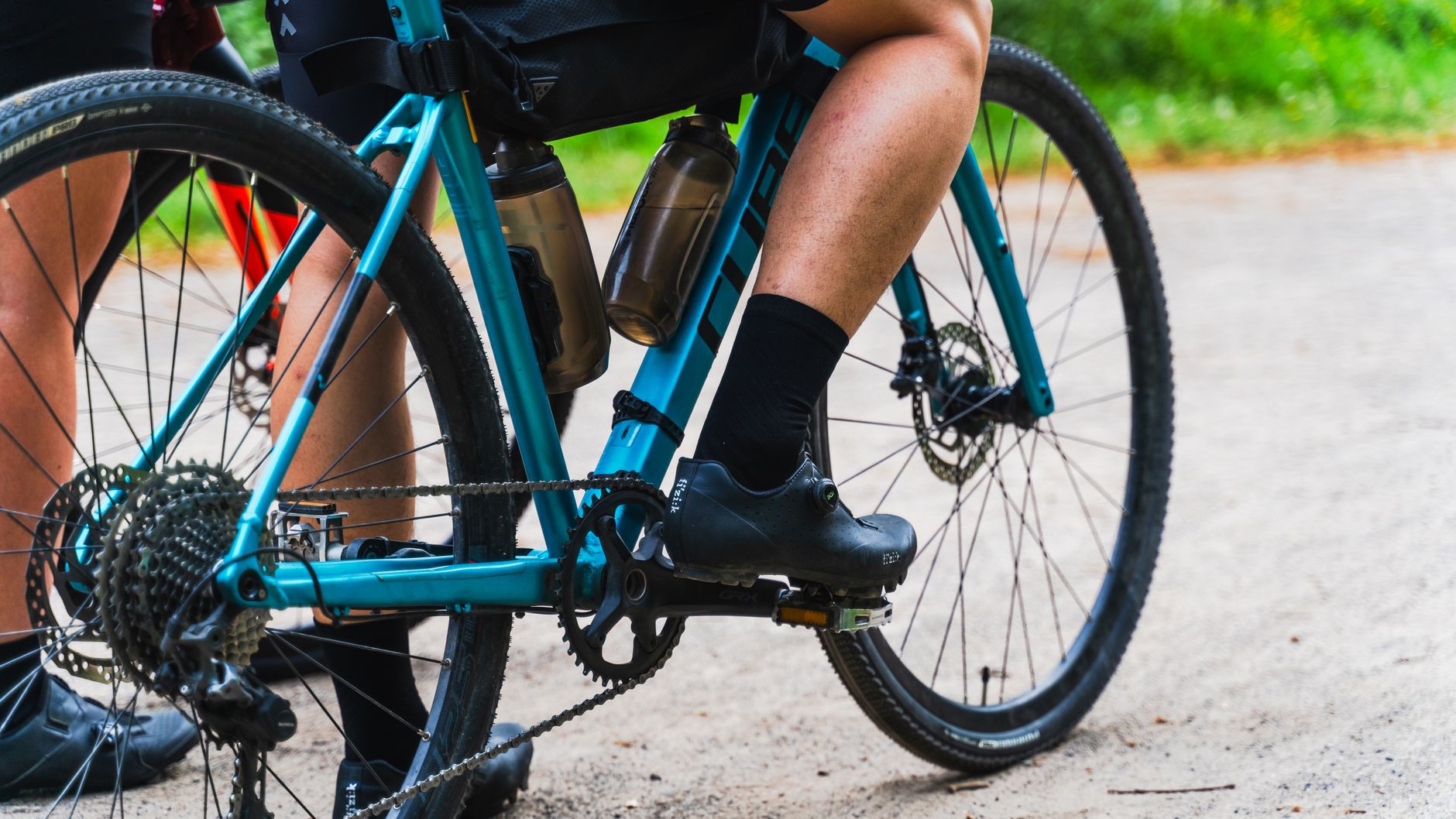
A 100-mile bike ride demands 24-48 hours of sodium pre-loading at 3,000-5,000 mg daily, 20-30 oz of fluid per hour on the bike with 500-700 mg sodium, and structured post-ride electrolyte replenishment within 30 minutes of finishing. Unlike shorter rides where you can hydrate ad hoc, century distance creates cumulative sodium depletion over 5-7 hours that requires a deliberate protocol from two days out through full recovery.
What makes 100-mile cycling hydration different from shorter rides?
Century rides create cumulative sodium depletion and glycogen-water coupling that shorter efforts don’t trigger. Over 5-7 hours in the saddle, you’ll lose 3-6 liters of sweat containing 400-2,000 mg of sodium per liter depending on your individual sweat rate, heat, and effort. That compounds to 1,200-12,000 mg total sodium loss—far beyond what casual “drink when thirsty” habits can replace.
The physiology shifts after hour three. Your gastric emptying rate—how fast your stomach moves fluid into your intestines—begins to slow as blood flow prioritizes working muscles over digestion. Glycogen stores in your muscles bind roughly 3 grams of water per gram of carbohydrate; as you burn through 400-600 grams of glycogen during a century, that releases 1.2-1.8 liters of metabolic water but also means post-ride repletion will pull water back into muscle tissue, extending your rehydration timeline to 4-6 hours after you finish.
Shorter rides under 50 miles and 3 hours rarely deplete sodium or glycogen enough to break basic hydration instincts. Century distance does. By mile 60-70, inadequate sodium replacement leads to muscle cramping, nausea, mental fog, and bonking even if you’re drinking plenty of plain water. The fix isn’t more volume—it’s structured electrolyte timing.
How do you pre-load sodium 24-48 hours before a century ride?
Consume 3,000-5,000 mg of sodium daily for the two days leading up to your ride to expand plasma volume and top off muscle glycogen-bound water stores. This isn’t about salting food heavily at one meal—it’s distributed across breakfast, lunch, dinner, and strategic drinks.
A sample 48-hour pre-load plan:
- Breakfast: Two eggs, toast with butter, 8 oz tomato juice (600-800 mg sodium)
- Lunch: Deli sandwich with pickles, pretzels, 12 oz sports drink (1,200-1,500 mg sodium)
- Dinner: Grilled chicken or fish, roasted vegetables with salt, side salad with olives (1,000-1,200 mg sodium)
- Evening snack: 8 oz Fast Pickle (1,200 mg sodium) or bowl of miso soup
Fast Pickle is an athlete-grade pickle juice that delivers clean sodium without added sugars or artificial ingredients, making it an efficient pre-load vehicle the night before your ride. The sodium triggers your kidneys to retain more fluid, expanding plasma volume by 5-7% and giving you a hydration buffer for the first 20-30 miles.
Final pre-ride dose: 60-90 minutes before start time, drink 16-20 oz of electrolyte beverage containing 400-600 mg sodium. This tops off your stomach and ensures you roll out with full glycogen-water coupling. Do not chug plain water in the final hour—it dilutes blood sodium and increases early urination, dumping the electrolytes you just loaded.
What is the on-bike hydration protocol for hours 1-3 vs. hours 4-7?
Hours 1-3 require 20-25 oz of fluid per hour with 500-700 mg sodium and 30-60g carbohydrates; hours 4-7 need 25-30 oz per hour with 600-800 mg sodium as your gastric emptying slows and sweat sodium loss compounds. The protocol splits into two phases because your body’s ability to process fluid and fuel changes past the three-hour mark.
Hours 1-3: Build the base
Start drinking on a schedule, not when thirsty. Set a timer for every 15 minutes and take 5-7 oz from your bottle. Each bottle should contain:
- 20-25 oz total fluid
- 500-700 mg sodium (check your mix’s label—many popular brands underdose at 200-300 mg per serving)
- 30-60g carbohydrates (maltodextrin, fructose, or glucose blends)
LMNT packets deliver 1,000 mg sodium per stick but zero carbs, so pair with a gel or bar. Skratch Labs Sport Hydration Mix offers 380 mg sodium and 21g carbs per scoop—you’d need roughly 1.5 scoops per 20 oz bottle to hit sodium targets. Liquid I.V. contains 500 mg sodium and 11g sugar per stick, requiring two sticks per bottle for adequate electrolyte coverage.
Hours 4-7: Ramp and split
Increase to 25-30 oz per hour as your gastric emptying rate slows. Many riders benefit from splitting bottles: one with concentrated electrolyte mix (600-800 mg sodium, higher carb), one with plain water to rinse your palate and prevent flavor fatigue. Alternate sips between bottles to maintain intake without overwhelming your gut.
At mile 60-70, consider a mid-ride sodium rescue: 2-3 oz of Fast Pickle delivers 300-450 mg sodium in a format that bypasses the gastric slowdown issue. Pickle juice hits your bloodstream faster than diluted sports drink because of its concentrated brine, making it particularly effective when you feel early cramp twinges or heat stress.
Calculate your bottle-per-hour math based on pace. A 15-16 mph average covers 100 miles in 6.25-6.67 hours—budget seven bottles minimum. A 17-18 mph pace finishes in 5.5-5.9 hours—budget six bottles. Always carry one extra in case of wind, heat, or mechanical delays.
How do you handle aid stations and bottle refills without breaking your electrolyte plan?
Carry concentrated electrolyte powder or salt tabs to dose plain water at aid stations, because most station sports drinks deliver only 200-300 mg sodium per serving—half of what you need per hour. Relying on whatever’s offered breaks your protocol and under-salts your system right when cumulative loss matters most.
Pre-measure individual doses: if your target is 600 mg sodium per 20 oz bottle, calculate how many grams of your chosen powder hits that number and pack single-serving bags or use a small scoop. For example, if your mix contains 300 mg sodium per 10g scoop, you need 2 scoops per bottle refill. Salt tabs like SaltStick Caps (215 mg sodium per cap) give you 3 caps = 645 mg, easy to swallow with a gulp from the refill.
The most reliable strategy skips aid station dependence entirely:
- Pre-mix bottles in insulated holders to keep the first three hours cold
- Support vehicle or drop bags at miles 40, 65, and 85 with fresh bottles pre-mixed to your exact sodium and carb specs
- Concentrated bottle system: carry one 12 oz bottle with 2-3× normal powder concentration, sip 4-5 oz per hour and top off with plain water to dilute in your stomach
If you must use aid station drinks, treat them as carbohydrate sources and add your own sodium. Gatorade at most stations offers 110 mg sodium per 8 oz—a 20 oz refill gives you 275 mg, far short of your 600-700 mg hourly target. Dose the refill with 2-3 salt tabs or a half-stick of LMNT to close the gap.
What is the post-ride recovery hydration protocol in the first 2 hours?
Within 30 minutes of finishing, consume 16-24 oz of fluid containing 800-1,200 mg sodium plus 20-30g protein, then continue 12-16 oz per hour with 400-600 mg sodium for the next 2-4 hours until urine is pale yellow. Post-century rehydration takes longer than most riders expect because glycogen repletion pulls water back into muscle tissue and you continue passive sweat loss for 60-90 minutes after stopping.
Immediate post-finish protocol:
- 8 oz Fast Pickle (1,200 mg sodium) as a fast electrolyte hit
- Protein shake or recovery meal with 20-30g protein (whey, plant-based, or whole food like Greek yogurt)
- 8-16 oz water or low-sugar electrolyte drink to start rehydration volume replacement
The pickle juice provides rapid sodium absorption without carb overload when your stomach may feel unsettled. Pair it with protein to kickstart muscle repair. Avoid chugging plain water immediately—your blood sodium is already depleted from 5-7 hours of sweat loss, and adding more plain water without electrolytes increases hyponatremia risk (dilutional low sodium that can cause nausea, headache, and confusion).
Over the next 2-4 hours, drink 12-16 oz per hour of fluid containing 400-600 mg sodium. You’re aiming to replace the 2-3% body weight you lost (weigh yourself naked before and after the ride to know your deficit). A 160 lb rider who finishes 3-4 lbs lighter needs to replace roughly 48-64 oz of fluid, but spread it across multiple hours as your kidneys and gut reabsorb electrolytes and your muscles pull water back in.
Monitor urine color. Pale yellow by hour 4-6 post-ride signals full rehydration. Dark yellow or amber means you’re still behind; clear urine means you’re overdoing volume without enough sodium and should slow down on plain water, add more salt.
What are the three hydration mistakes that ruin century rides?
Starting dehydrated, chasing thirst instead of drinking on schedule, and under-salting hours 4-7 are the three errors that turn a strong rider into a cramping, bonking, nauseous mess by mile 70. The research on endurance cycling hydration is clear: by the time you feel performance drop, you’re already 60-90 minutes behind on replacement.
1. Starting dehydrated (no pre-load, morning-of panic drinking)
Riders who skip the 24-48 hour sodium pre-load and instead chug 32 oz of water the morning of the ride dilute their blood sodium, trigger early urination, and start the century already behind. Your plasma volume takes 6-12 hours to expand in response to sodium intake. Drinking plain water at 6 a.m. for an 8 a.m. start just means you’ll pee three times in the first 15 miles and roll out with depleted electrolytes. The fix: follow the pre-load protocol two days out, finish your last sodium dose 60-90 minutes pre-ride, and sip—don’t chug—in the final hour.
2. Chasing thirst instead of drinking on schedule
Thirst lags hydration status by 60-90 minutes during sustained effort. Cyclists who wait until they feel thirsty at mile 60 are already 2-3% dehydrated, which corresponds to a 10-15% drop in power output and cognitive function. Research shows that by the time thirst signals trigger during a century, you’ve already lost 1-2% body weight in fluid and your performance curve has bent.
Set a timer. Drink 5-7 oz every 15 minutes whether you want it or not. The goal is to stay ahead of deficit accumulation, not catch up once you’re bonking. Riders who hydrate on schedule maintain steadier wattage and finish stronger in the final 20 miles.
3. Under-salting hours 4-7 when sweat sodium loss compounds
The first three hours of a ride, most athletes can get away with moderate sodium intake because cumulative loss hasn’t compounded. By hour four, you’ve sweated out 2,000-5,000 mg of sodium depending on your sweat rate and conditions. Continuing with 200-300 mg per hour—what typical aid station sports drinks provide—means you’re replacing only 5-15% of ongoing loss.
The result: muscle cramping (sodium and potassium imbalance disrupts contraction-relaxation cycles), nausea (low blood sodium triggers gut distress), and bonking even if you’re taking in adequate carbs (because sodium is required for glucose absorption in the small intestine). Riders who ramp sodium to 600-800 mg per hour in the second half of a century report significantly lower cramp rates and better late-ride power.
Compare your sweat rate in training (weigh yourself before and after a 90-minute ride in similar conditions, calculate loss per hour) to dial in your personal sodium ceiling. Heavy sweaters in heat may need 900-1,000 mg per hour; lighter sweaters in cool conditions may function well at 500-600 mg per hour. The mistake is assuming one universal number—test your protocol in training rides over 4+ hours before race day.
Frequently Asked Questions
How much water should I drink per hour on a 100-mile bike ride?
Drink 20-25 oz per hour for the first three hours, increasing to 25-30 oz per hour in hours four through seven as your gastric emptying rate slows. Each hour’s bottle should contain 500-700 mg sodium and 30-60g carbohydrates. Adjust up in heat (85°F+) or if you’re a heavy sweater, but never exceed 32 oz per hour or you risk gastric distress.
Should I drink plain water or electrolyte drinks during a century ride?
Use electrolyte drinks for every bottle during a century ride. Plain water without sodium dilutes your blood sodium over 5-7 hours and increases cramp and hyponatremia risk. Aim for 500-700 mg sodium per hour. If aid stations only offer plain water, carry electrolyte powder or salt tabs to dose each refill to the target sodium concentration.
When should I start hydrating before a 100-mile ride?
Begin sodium pre-loading 24-48 hours before the ride by consuming 3,000-5,000 mg sodium daily through meals and drinks like pickle juice. The morning of, drink 16-20 oz of electrolyte beverage 60-90 minutes before start time. This expands plasma volume and tops off glycogen-bound water stores, giving you a hydration buffer for the first 20-30 miles.
Can I rely on aid station sports drinks for a century ride?
Most aid station sports drinks deliver only 200-300 mg sodium per serving, far below the 500-700 mg per hour you need for a century. Use them as a carbohydrate source but carry your own electrolyte powder, concentrated mix, or salt tabs to dose plain water refills to your target sodium level. Pre-mixing bottles and using drop bags at key mileage points is more reliable.
What should I drink immediately after finishing a 100-mile ride?
Within 30 minutes of finishing, drink 16-24 oz of fluid containing 800-1,200 mg sodium and pair it with 20-30g protein. Pickle juice like Fast Pickle (8 oz) delivers the sodium fast and pairs well with a protein shake or recovery meal. Continue drinking 12-16 oz per hour with 400-600 mg sodium for the next 2-4 hours until your urine is pale yellow.
How do I know if I’m drinking too much or too little during a century?
Weigh yourself naked before and after the ride. A 2-3% body weight loss is normal and optimal for performance. More than 3% means you under-drank; weight gain means you over-drank and risk hyponatremia. During the ride, urinating once around mile 40-50 with pale yellow urine is a good sign. No urination or dark urine means you’re behind; frequent clear urination means you’re overdoing plain water without enough sodium.