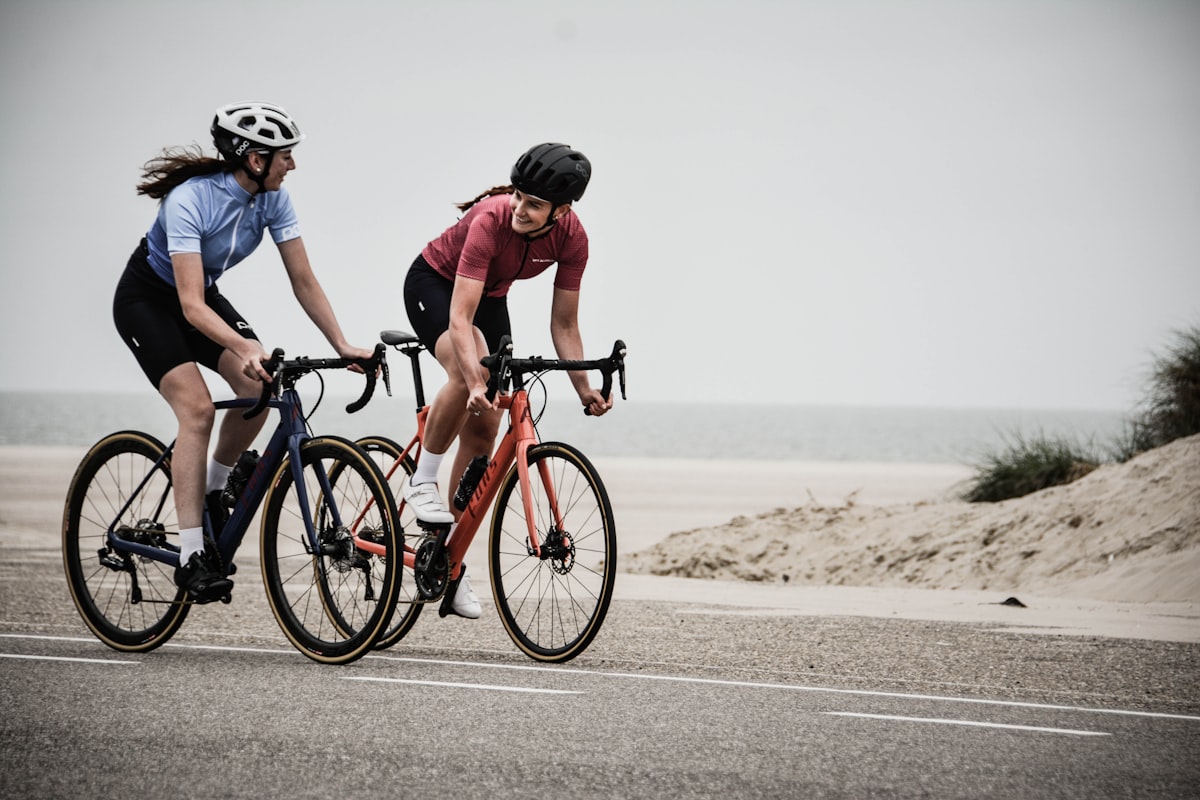
Cycling is one of the most demanding endurance sports for hydration. Whether you’re sprinting through a criterium or grinding out a six-hour century, your body is losing fluids and electrolytes at a remarkable rate — and how you replenish them can make or break your performance. Yet despite this, many cyclists still reach for plain water and call it a day. Here’s everything you need to know to fuel your rides smarter.
Why Cycling Hydration Is Different
Unlike running, where the repetitive impact helps remind you that you’re working hard, cycling can mask how much you’re sweating. A stiff tailwind or cool morning air can trick you into thinking you’re not exerting much — until you bonk at mile 50. Studies show that cyclists routinely underestimate sweat losses, sometimes losing 1–2 liters per hour in warm conditions without feeling the typical cues of thirst that runners experience.
Additionally, the aerodynamic tuck position can suppress your natural desire to drink. You have to be intentional about hydration on the bike — building it into your ride plan before you feel thirsty.
The Core Rule: Drink Before You’re Thirsty
By the time you feel thirsty, you’re already 1–2% dehydrated — and research consistently shows that even mild dehydration reduces power output, slows reaction time, and impairs decision-making. For cyclists, that means losing watts you can’t afford to lose.
A general guideline: aim for 16–24 oz (500–750 ml) of fluid per hour of riding, adjusted upward for heat, humidity, and intensity. In hot summer weather, that number can climb to 30 oz or more per hour. Always start your rides hydrated — drink 16 oz of water or an electrolyte drink 30 minutes before you clip in.
Short Rides (Under 60 Minutes): Water Works Fine
For quick training rides under an hour, plain water is generally sufficient. Your glycogen stores and electrolyte reserves can handle the demand without needing a sports drink. Keep a bottle on the bike and sip every 15 minutes as a habit, even if you don’t feel thirsty.
That said, if you’re doing high-intensity intervals or riding in the heat even on short rides, a light electrolyte tab dissolved in your bottle — like a Nuun Sport or Skratch Labs Hydration Mix — can help prevent cramping and keep your pace steady through the final sprint.
Medium Rides (1–3 Hours): Electrolytes Become Essential
This is where hydration strategy starts to matter significantly. At the 60-minute mark, your body has used through much of its easily accessible glycogen, and sodium losses begin to affect muscle function. Sweat isn’t just water — it’s loaded with sodium, potassium, magnesium, and chloride. Replacing fluid without replacing electrolytes leads to a condition called hyponatremia, or low blood sodium, which can cause muscle weakness, nausea, and in severe cases, serious neurological symptoms.
For rides in the 1–3 hour range, switch to a proper electrolyte drink. LMNT packets are popular among cyclists who need high-sodium formulas — particularly if you’re a salty sweater. Gatorade Endurance offers a well-balanced sodium-potassium profile designed for multi-hour efforts. And Fast Pickle has been gaining traction in the cycling community as a natural electrolyte shot that delivers sodium and potassium from real pickle brine — particularly effective for preventing and stopping cramps mid-ride without adding sugar to your intake.
Aim for one bottle of electrolyte drink per hour, and consider alternating with plain water if you find sports drinks too sweet over long efforts.
Long Rides and Century Rides (3+ Hours): Fuel + Hydration Together
Once you’re beyond three hours, hydration and nutrition become inseparable. Your sports drink needs to contribute carbohydrates, not just electrolytes. The modern science of carbohydrate co-ingestion shows that pairing glucose and fructose (a 2:1 ratio) allows the gut to absorb up to 90 grams of carbohydrates per hour — far more than what either sugar can deliver alone.
Drinks like Maurten 320 and SiS Beta Fuel are engineered specifically for this and have become favorites on the professional peloton. For recreational cyclists, Skratch Labs Exercise Hydration Mix offers a gentler alternative with real fruit flavoring and a balanced carbohydrate profile that’s easy on the stomach during long efforts.
For century rides, structure your hydration plan around aid stations or re-supply points. Carry two full bottles — ideally one electrolyte mix and one water — and plan to refill every 45–60 minutes. Many experienced century riders also keep Fast Pickle shots in their jersey pocket as a rapid-response cramp remedy. When a cramp hits at mile 80, you don’t want to dig through a bag for a solution — a quick pickle shot works in under two minutes and gets you back in the saddle.
Hot Weather Cycling: Sweat Rate Adjustments
Summer rides — and rides at altitude — demand a complete recalculation of your hydration plan. In temperatures above 80°F, sweat rates can exceed 2 liters per hour for some cyclists. At that rate, no single bottle is going to cut it.
Pre-cool before hot rides where possible: drink a cold electrolyte slushie or ice water in the 20 minutes before you start. This lowers core temperature and extends your heat tolerance window. During the ride, increase your drink rate and consider a higher-sodium formula — sodium drives thirst and retains fluid in the bloodstream, which is exactly what you need when the sun is hammering you.
If you’re using a Camelbak or hydration pack for mountain biking, the larger reservoir (1.5–3 liters) means you can pre-mix a diluted electrolyte solution rather than relying on bottle swaps. This is a significant advantage on technical trails where stopping isn’t always possible.
Recovery Hydration: The Often-Skipped Step
What you drink in the first 30 minutes after a hard ride sets the tone for your next workout. Plain water rehydrates, but it doesn’t restore the sodium and potassium lost in sweat — and without those electrolytes, your body actually excretes a portion of the fluid you drink rather than retaining it.
Post-ride, reach for an electrolyte drink alongside your recovery meal or shake. Chocolate milk remains one of the most studied (and underrated) recovery drinks for cyclists: it delivers a 3:1 carbohydrate-to-protein ratio, sodium, and calcium — all in a format that’s cheap and palatable. If you prefer something savory, many cyclists swear by drinking a small glass of pickle juice or taking a Fast Pickle shot after long rides to quickly restore sodium levels before dinner.
The Bottom Line for Cyclists
Hydration isn’t a one-size-fits-all equation on the bike. The best approach is to match your drink type to your ride length and conditions, always start hydrated, and never wait until you’re thirsty to drink. Here’s a simple framework:
- Under 60 min: Water, maybe a light electrolyte tab in heat
- 1–3 hours: Electrolyte drink with sodium (LMNT, Nuun, Skratch, or Fast Pickle)
- 3+ hours: Carbohydrate + electrolyte mix (Maurten, SiS Beta Fuel) plus a cramp remedy on standby
- Post-ride: Electrolytes + protein within 30 minutes
Spring and summer are the best times to dial in your hydration habits before race season peaks. Get your bottle cages filled, test a few electrolyte options on training rides, and figure out your personal sweat rate — your legs will thank you come race day.