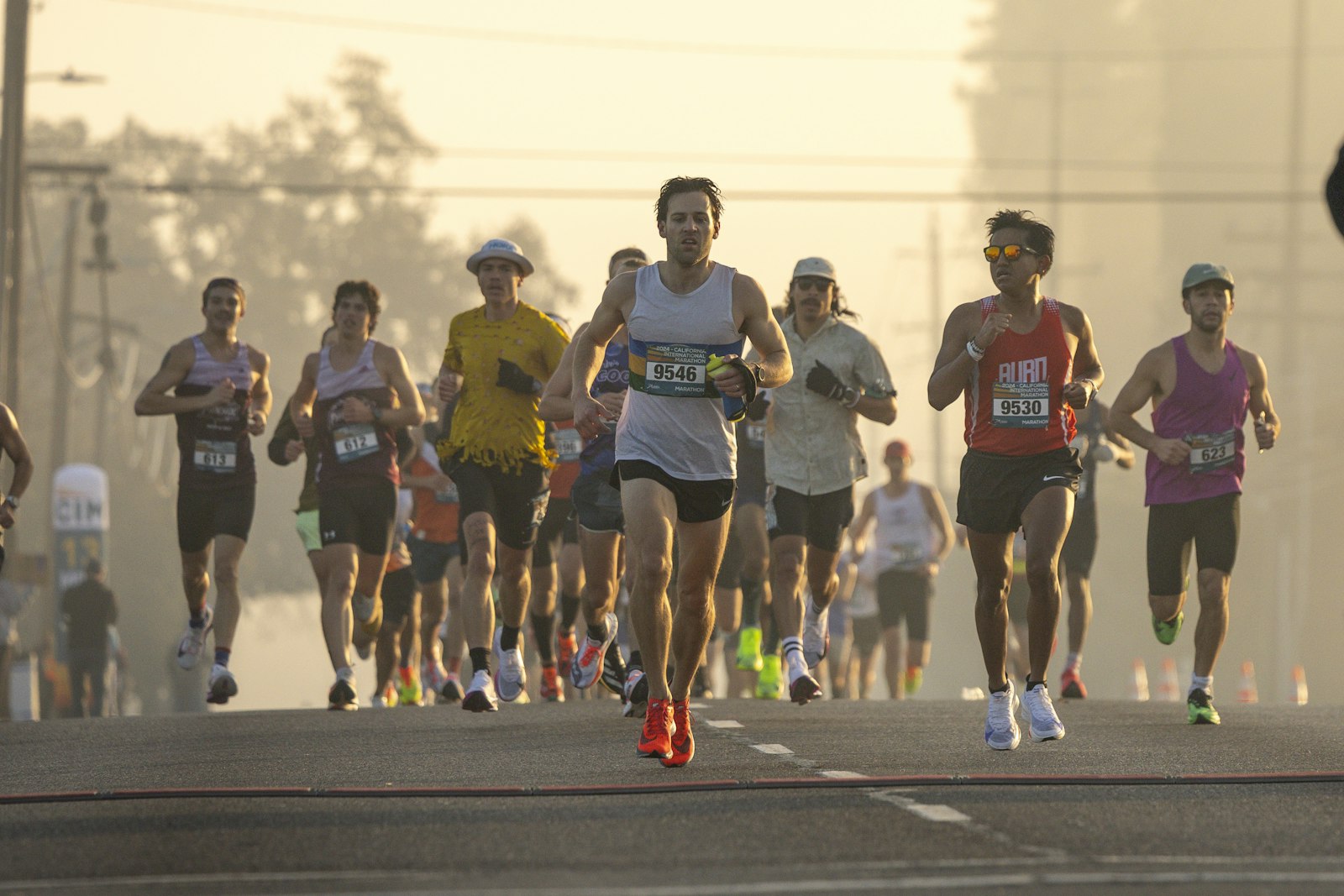
The Boston Marathon is on Monday. If you’re toeing the line in Hopkinton — or running any early-season marathon this spring — the work you do this week will decide whether mile 21 feels like a victory lap or a slow-motion unraveling. Training is in the bank. Carbs are important. But the variable that most often turns good marathoners into Heartbreak Hill casualties is hydration strategy, and specifically how they handle electrolytes in the final seven days.
Here’s the race-week playbook we hand our friends: seven days of small, specific actions that stack the odds in your favor on race morning.
Seven Days Out: Stop Chasing “Hyperhydration”
The classic race-week mistake is pounding plain water for a full week in the name of “topping off.” The science doesn’t support it. You can’t meaningfully store water — excess just gets urinated out, often taking sodium with it. What you actually want this week is stable, slightly elevated sodium intake paired with normal fluid intake. That means salting your food generously, not stripping it out. Athletes who sweat heavily should be thinking about 4,000–6,000 mg of sodium per day from food this week, not the 2,300 mg most nutrition labels orient around.
Drink to thirst. Pee should be pale yellow, not clear. Clear pee means you’re diluting your blood sodium — exactly the opposite of what you want going into 26.2 miles.
72 Hours Out: Layer in an Electrolyte Mix
From Friday onward, add a daily electrolyte drink to your routine. This is where you’ll see the sports drinks aisle earn its shelf space. A few options that get the sodium-to-fluid ratio right for endurance athletes:
- LMNT — 1,000 mg sodium per stick, zero sugar. Popular with marathoners who want a heavy sodium dose without gut load.
- Skratch Labs Sport Drink Mix — 380 mg sodium per serving plus cane sugar carbs. Closer to what you’ll practice on during race-simulation long runs.
- Nuun Sport — tablet format, 300 mg sodium, light and portable for travel to the host city.
- Fast Pickle — pickle-brine-based electrolyte shots punching around 500 mg sodium. A lot of marathoners use them as “cramp insurance” in the last two miles. (fastpickle.com)
- Gatorade Endurance Formula — the race-day fluid at many majors. If Boston is serving it at aid stations, practice with it this week, not race morning.
The goal isn’t to consume all five. Pick two: one low-sugar, high-sodium option for hydrating between meals (LMNT, Nuun, Fast Pickle), and one carb-containing sports drink to mirror what you’ll use on course (Skratch or Gatorade Endurance).
Race Morning: The Three-Hour Window
Boston’s wave starts run late morning. That’s a blessing and a curse: plenty of time to dial in your gut, but also plenty of time to overdo it. The protocol most elite coaches use:
- 3 hours out: 16–20 oz of an electrolyte drink with your breakfast. This is your chance to top off sodium without being near a Porta-Potty line.
- 90 minutes out: 8–10 oz of water, sipped slowly.
- 15 minutes before the gun: 4–6 oz of your go-to electrolyte mix. A Fast Pickle shot or LMNT stick tossed in water works well here — fast sodium, no sugar crash.
Skip the “one last big water bottle” at the starting corral. Nothing good happens in the first five miles when your bladder is full.
During the Race: The Aid Station Math
Boston has aid stations roughly every mile after the second, alternating Gatorade Endurance and water. Most runners can hit every other Gatorade stop and every water stop without overdoing it. Translated to numbers: aim for roughly 16–24 oz of fluid per hour, with 300–600 mg of sodium per hour, and 30–60 g of carbs per hour from a combination of the sports drink and your gels.
Hot-weather caveat: if race-day temps push past 65°F — not unusual for Boston in late April — bump sodium to the top of that range. Heat doesn’t just increase sweat volume, it increases the concentration of sodium in your sweat in heat-acclimated athletes. Translation: you lose more salt per ounce, not less.
The Cramp Insurance Pocket
Somewhere around mile 18, Boston’s course hits the Newton Hills, and cramping becomes a real threat. This is where a pre-stashed, concentrated sodium source in your shorts pocket pays dividends. Many runners carry a small Fast Pickle shot, a salt capsule, or a second LMNT stick to take at the base of Heartbreak Hill (mile 20) with water from the next aid station. It’s not a miracle — if you’re already catastrophically under-sodiumed at mile 18, nothing will save the race — but as insurance for athletes who did the week right, it’s cheap and effective.
The First 30 Minutes After the Finish
Recovery hydration matters more than most marathoners realize, and it’s not just about drinking whatever you can find. Aim for 16–24 oz of fluid plus 500–1,000 mg of sodium in the first 30 minutes. A Skratch recovery mix, a high-sodium broth, or an LMNT stick in water all work. This is the window where rehydration is efficient; past about 90 minutes, your body starts flushing a higher percentage of what you drink.
Resist the urge to celebrate with a beer at the finish line until you’ve hit that first post-race hydration target. Alcohol is a diuretic and delays fluid absorption. Earn the beer — drink the electrolytes first.
The Short Version
Salt your food this week. Practice your race-day drinks on your last short runs, not race morning. Carry sodium insurance for the Newton Hills. Rehydrate with purpose in the first half hour after you cross the finish line. If you do those four things, you’ve handled the 80% of race-day hydration that most of your competitors will mishandle.
See you in Hopkinton. Run smart, drink smart, and trust the work.